



DI PLASTIC SURGERY
DI Ptosis Correction
What is ptosis correction?
Ptosis correction treats the condition often described as 'sleepy eyes', allowing more of the iris to show for a larger, clearer eye appearance.
When the eye-opening muscle is weak, the eyelid covers too much of the iris. Surgery addresses this ptosis by strengthening the eye-opening muscle, improving covered irises and a sleepy appearance.
Surgery information
- Surgery duration
- 40–60 minutes
- Anesthesia
- Local anesthesia / sedation
- Hospital admission
- Not usually required
- Recovery period
- 1 week
- Suture removal
- Required
- Follow-up visits
- None
Complications may include bleeding, infection, inflammation, bruising, swelling, and pain. Satisfaction with surgery varies by individual.
DI PLASTIC SURGERY
DI is confident in working with every eye shape
Choose your desired fold!
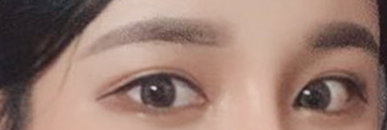
In-fold
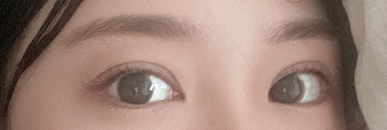
In-out fold
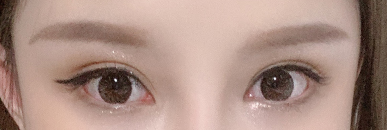
Out-fold
DI PLASTIC SURGERY
The amount of visible iris affects how large and clear the eyes appear
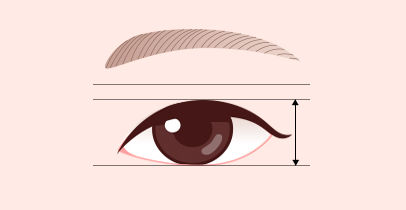
Less than 70% iris exposure: a case for ptosis correction
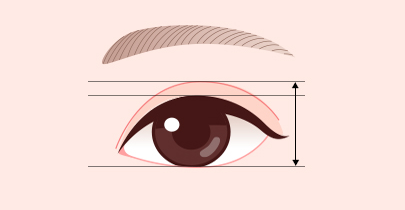
80–90% or more iris exposure: normal eye appearance
Beautiful eyes show 80% of the iris when naturally open.
DI analyzes individual eye structure and condition to choose the most suitable surgical technique. Non-incisional or incisional ptosis correction is selected for the individual to create the desired eye appearance.
DI PLASTIC SURGERY
#TypesOfPtosisCorrection
Non-incisional ptosis correction
Correction through tiny openings without a full incision
A small amount of fat can be removed
For mildly drooping eyelids
Scars that are difficult to see
Relatively little swelling
Suitable for mild ptosis
Incisional ptosis correction
Correction through an incision along the eyelid fold
A sufficient amount of fat can be removed
For markedly drooping eyelids
A fine scar concealed within the eyelid fold
Some swelling
Suitable for severe ptosis


DI PLASTIC SURGERY
Why DI Ptosis Correction?
- Experienced clinicians use their techniques and expertise to determine a suitable fold height and eye size for individualized surgery.
- Addresses weakness of the eye-opening muscles.
- Both eye shape and functional problems are diagnosed and carefully analyzed.
- For thick eyelids, fat removal or skin excision may be performed together.


DI PLASTIC SURGERY
Ptosis Correction
Who may consider this procedure?
- People seeking to improve sleepy-looking eyes despite having eyelid folds
- People with asymmetric eyes due to unequal eye-opening muscle strength
- People whose eyelids cover the irises, creating a very sleepy appearance
- People with difficulty opening their eyes and hollow upper eyelids that look tired
DI PLASTIC SURGERY
DI Ptosis Correction: Surgical Method
Non-incisional ptosis correction
Following an individualized design, tiny openings are made along the line.
The muscle and skin are linked with sutures to form a natural fold.
Through non-incisional ptosis correction, larger, defined eyes without overcorrection
DI PLASTIC SURGERY
DI Ptosis Correction: Surgical Method
Incisional ptosis correction
After an eyelid incision, unnecessary fat and muscle are removed.
The eye-opening muscle is tightened, then sutures close the incision line.
Through incisional ptosis correction, larger, defined eyes without overcorrection
DI PLASTIC SURGERY
DI Plastic Surgery Q&A

Eyes with ptosis

Double-eyelid surgery alone

Double-eyelid surgery with ptosis correction
What if double-eyelid surgery is performed without ptosis correction?
If a person with ptosis has double-eyelid surgery without ptosis correction, the folds may look excessively thick or unnatural.
asymmetry or unequal eyes may result, and reduced iris exposure may make the eyes look smaller.
For ptosis, combined correction is therefore needed according to the clinician's assessment.
DI Medical BEFORE & AFTER

DI Medical BEFORE & AFTER


Drag left or right to compare
MORE BEFORE & AFTER CASES
CASE 01
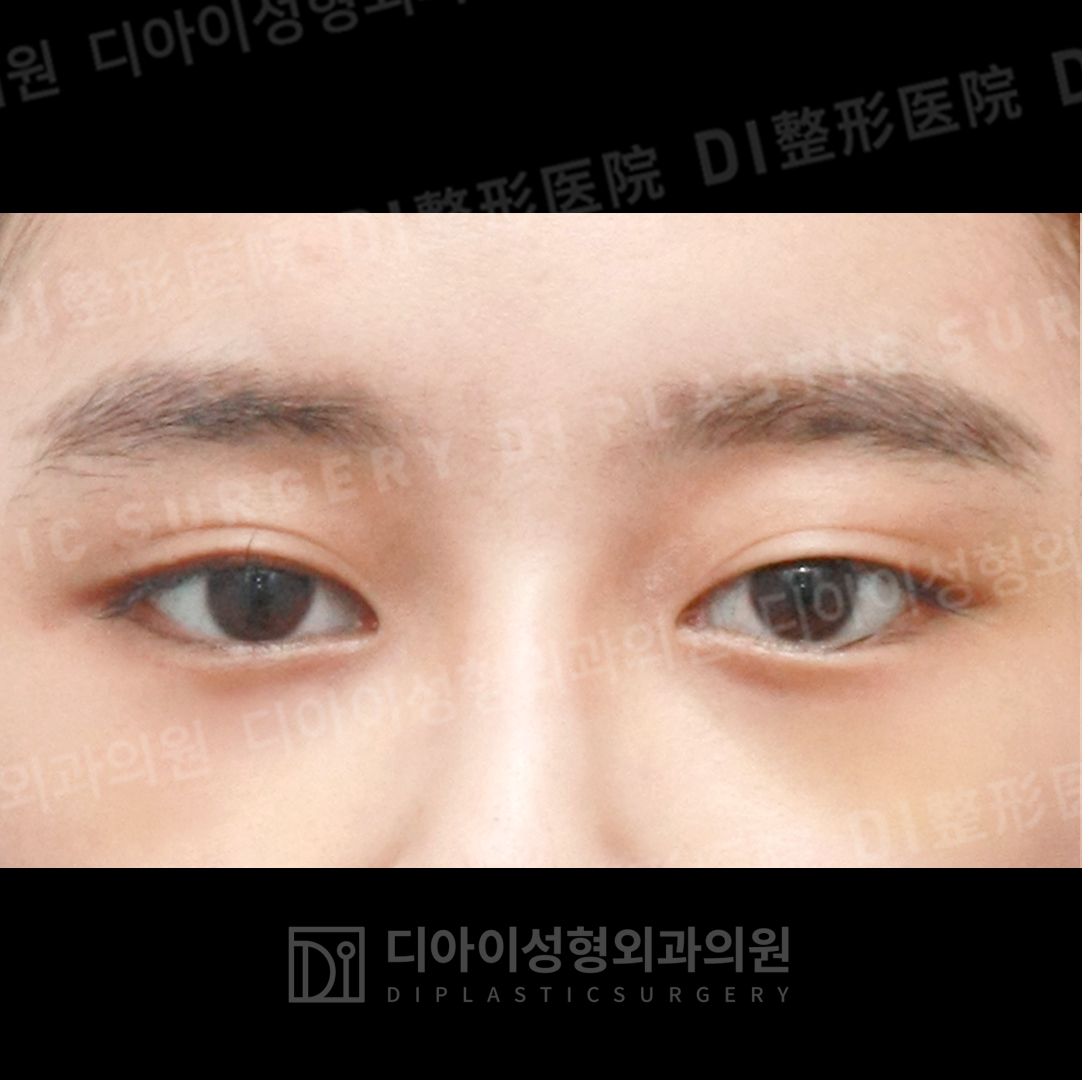
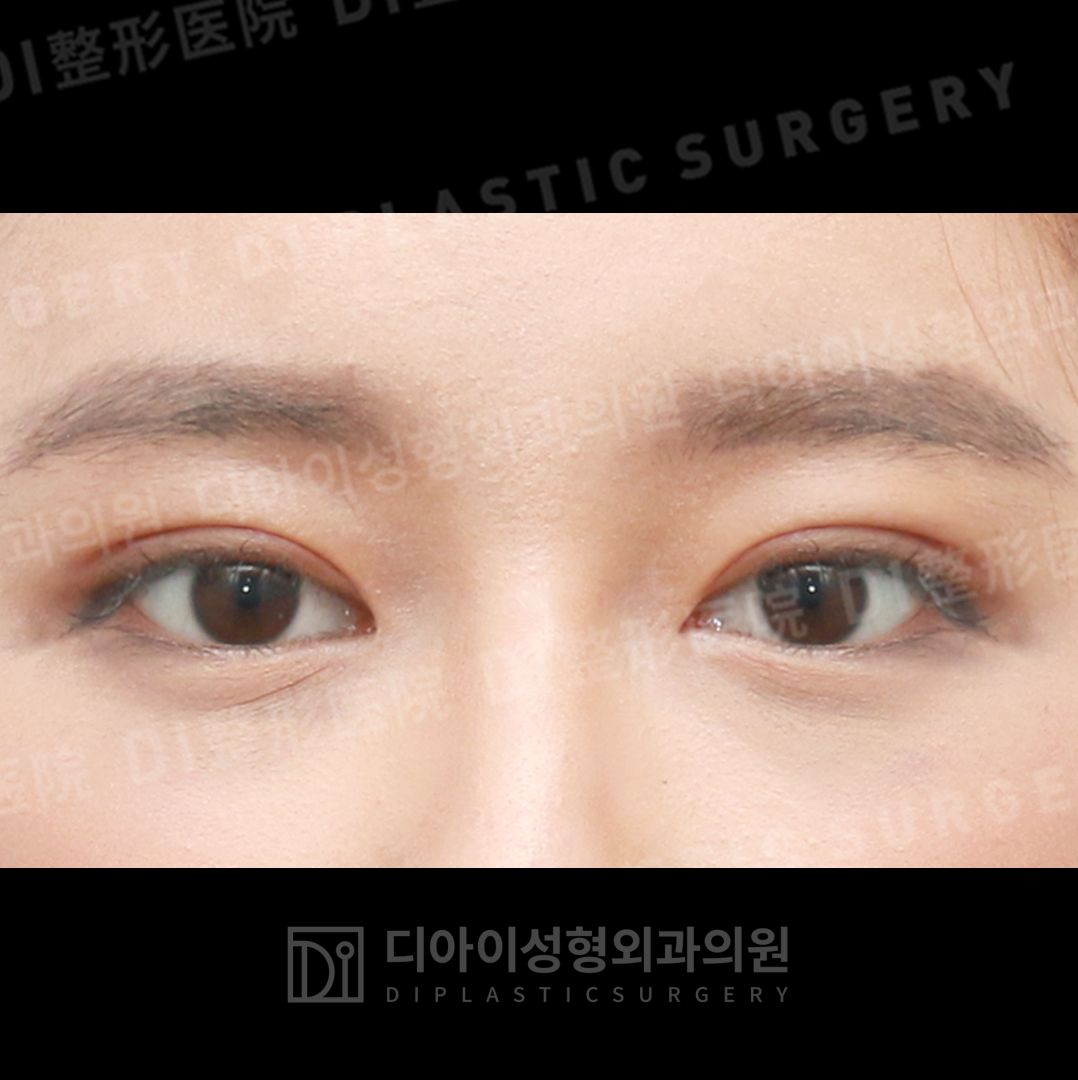
Drag left or right to compare
CASE 02
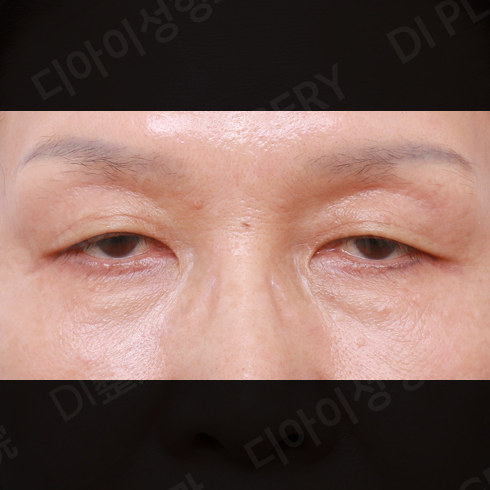
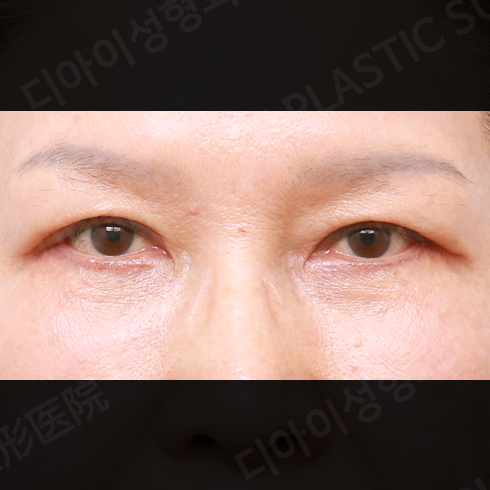
Drag left or right to compare
CASE 03
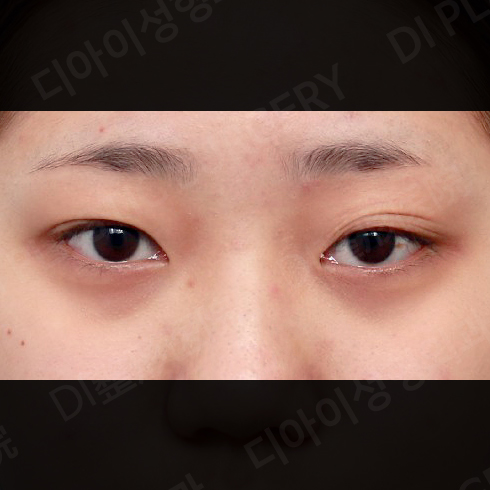
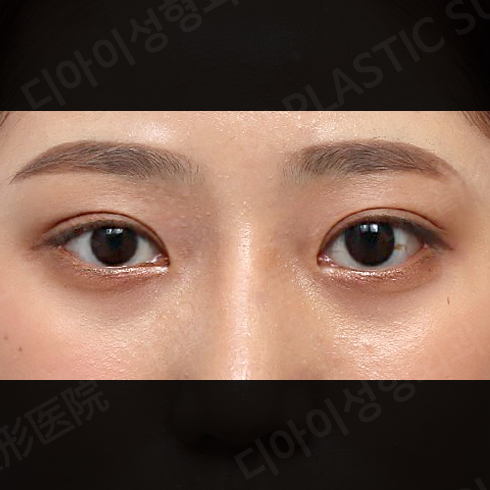
Drag left or right to compare
CASE 04
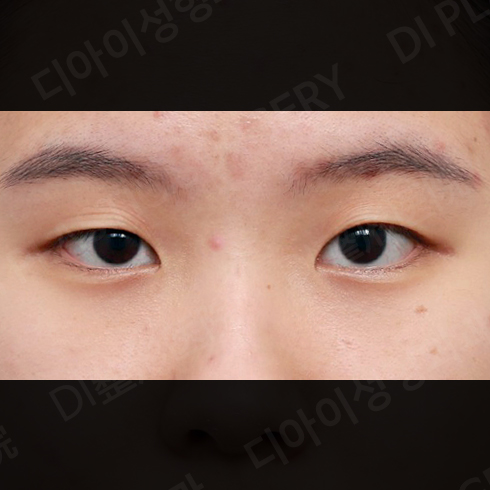
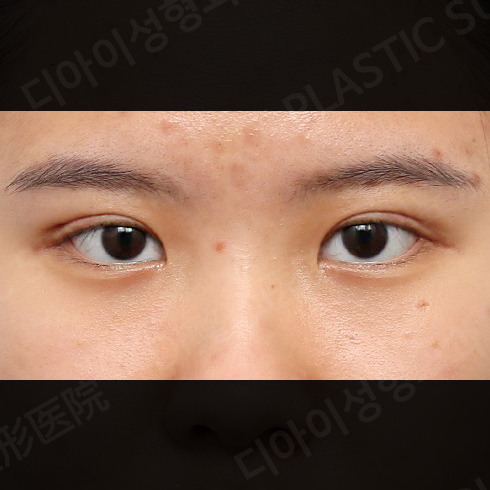
Drag left or right to compare
CASE 05
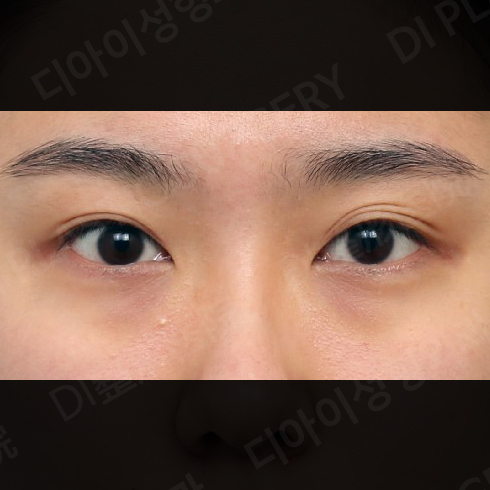
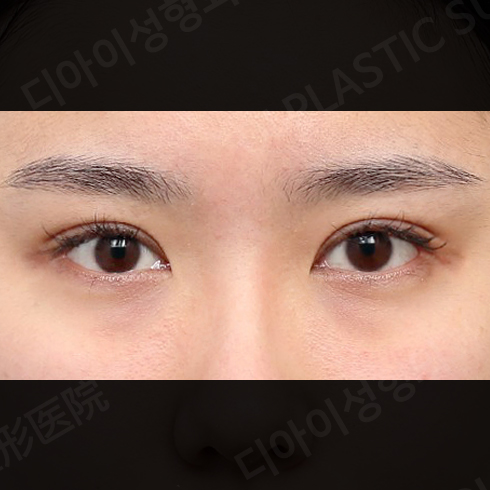
Drag left or right to compare
CASE 06
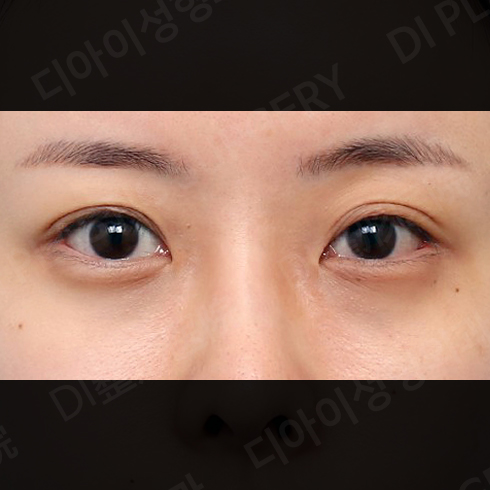
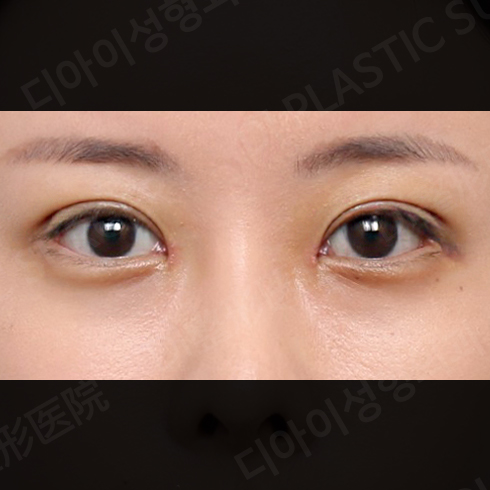
Drag left or right to compare
Individual results vary. Bleeding, infection, inflammation and other complications may occur after surgery.
Eye surgery aftercare
Follow your surgical team’s individual instructions. Recovery and follow-up schedules vary.
- 01
Washing
If you have stitches, keep the surgical area dry and clean until removal. On the day stitches are removed, wash gently with water only. Use soap from the following day.
- 02
Compresses
Use cold compresses for the first 3 days, then warm compresses from day 4. Cold helps reduce bleeding and swelling; warmth supports circulation and helps bruising and swelling subside.
- 03
Prescribed medication
Take the medication prescribed by the clinic. Apply a thin layer of the prescribed eye ointment to the stitch area with a cotton swab 2–3 times daily.
- 04
Eye drops, if prescribed
For procedures involving the inner lining of the lower eyelid, such as lower blepharoplasty, outer or lower canthoplasty, or under-eye fat repositioning, antibiotic eye drops may also be prescribed. Apply one drop 2–3 times daily before the eye ointment.
- 05
Activity
For about 1 week, avoid bending your head down, lifting heavy objects, or other activities that increase pressure in the face.
- 06
Contact lenses
Resume contact lenses approximately 2 weeks after surgery.
- 07
Makeup
Light makeup is possible after stitch removal. Wait at least 2 weeks before eyeliner, mascara, or other makeup that may irritate the eye area.
- 08
Alcohol & smoking
Avoid alcohol and smoking for 1 month. Avoid strenuous exercise and stress.