



DI PLASTIC SURGERY
DI Revision Eyelid Surgery
What is revision eyelid surgery?
It addresses unsatisfactory results from earlier surgery or discomfort caused by side effects.
It is important to accurately analyze why the earlier surgery failed and distinguish what can and cannot be improved before revision.
Consultation with an experienced surgical team helps address the problem.
Surgery information
- Surgery duration
- 1–2 hours
- Anesthesia
- Local anesthesia / sedation
- Hospital admission
- Not usually required
- Recovery period
- 1 week
- Suture removal
- Required
- Follow-up visits
- None
Complications may include bleeding, infection, inflammation, bruising, swelling, and pain. Satisfaction with surgery varies by individual.
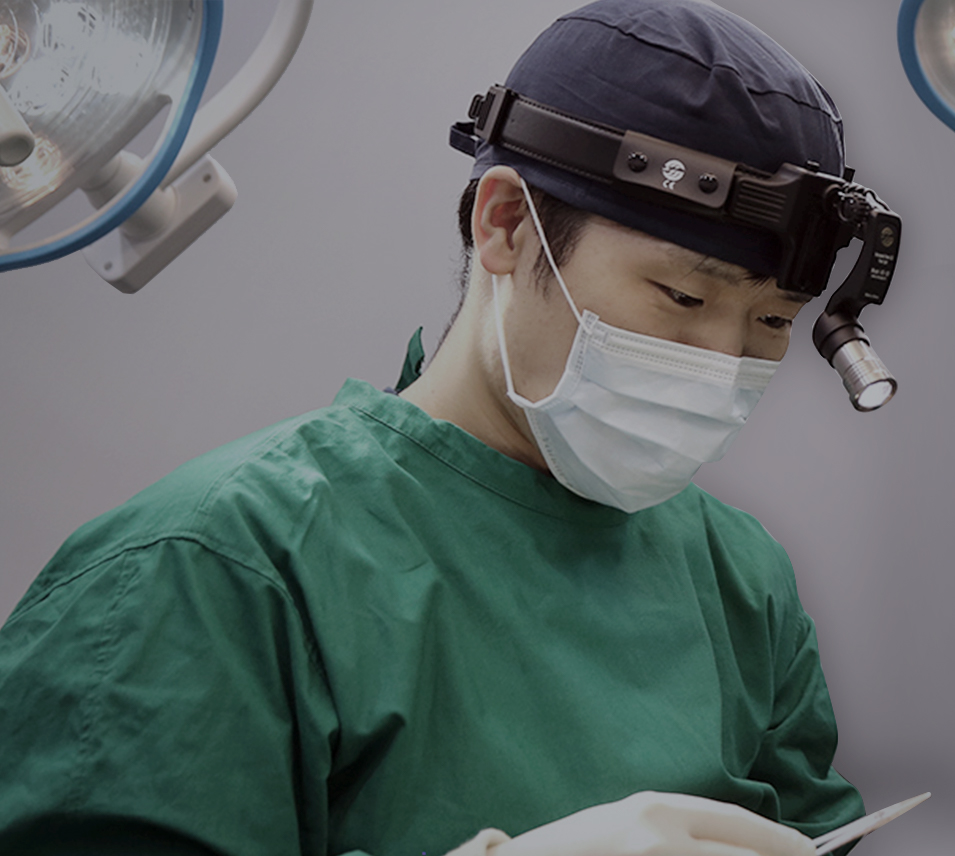
DI PLASTIC SURGERY
Compared with an initial procedure, revision eyelid surgery requires more careful consideration and effort.
DI Revision Eyelid Surgery considers the overall harmony of the face and eyes and each person's individual appearance when planning eyelid folds, canthoplasty, and other surgical methods to improve satisfaction.

DI PLASTIC SURGERY
Revision Eyelid Surgery
When is it possible?
Revision eyelid surgery may be considered approximately 3–6 months after the earlier operation, but it is preferable to wait until swelling and redness have subsided.
Postoperative conditions differ, so consult an experienced specialist to determine the timing of revision surgery.
DI PLASTIC SURGERY
Do any of these resemble your eyes?
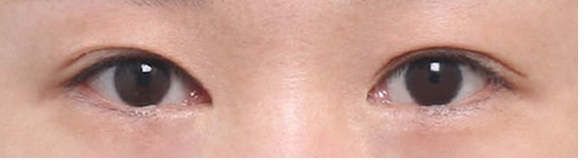
Asymmetric eyelid folds
For asymmetry, both sides are usually treated together. The cause of the previous failure, skin thickness, and sagging are considered when determining the fixation line.
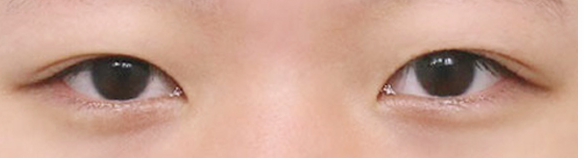
Dissatisfaction with the eyelid fold
Thorough consultation identifies the patient's preferences to correct the fold toward the desired shape.
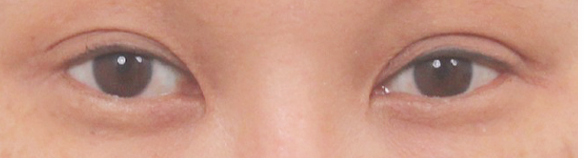
An excessively high or thick fold
For thick eyelid folds, the fold height is lowered to adjust the thickness.
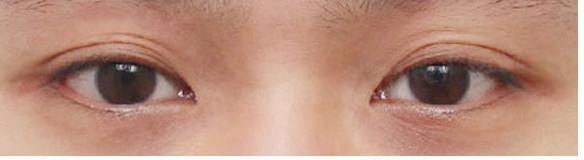
A loosened fold or multiple creases
These can follow excessive removal of orbicularis muscle or eyelid fat. Correction may involve fold adjustment, ptosis correction, fat repositioning, or orbicularis muscle repositioning.
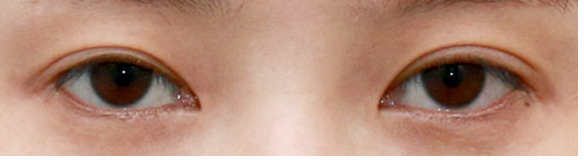
Uncorrected ptosis
If double-eyelid surgery alone has left a sleepy appearance unchanged, ptosis correction is performed.
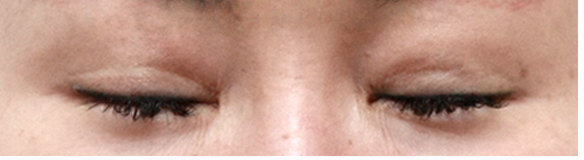
Visible scarring
For prominent scars, an incision is made to remove scar tissue, followed by meticulous closure.
DI PLASTIC SURGERY
Your final revision eyelid surgery At DI!
Causes of the first surgery's failure Accurately analyzed
During revision, adherent tissue is carefully dissected Minimizing recurrence
Suited to the patient's preferences Customized eyelid-fold design
Extensive clinical experience Surgery performed by experienced clinicians

DI PLASTIC SURGERY
DI Revision Eyelid Surgery Five advantages, all together!
Analysis of failure causes
Well-defined eyelid folds
A harmonious face
Diverse clinical experience
Design tailored to each condition
With eyelid folds suited to the individual's face, to create a natural eye appearance.
DI PLASTIC SURGERY
DI Plastic Surgery Q&A
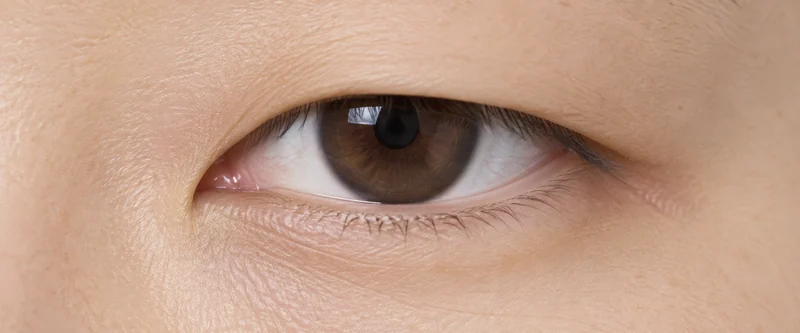
Eyes with ptosis
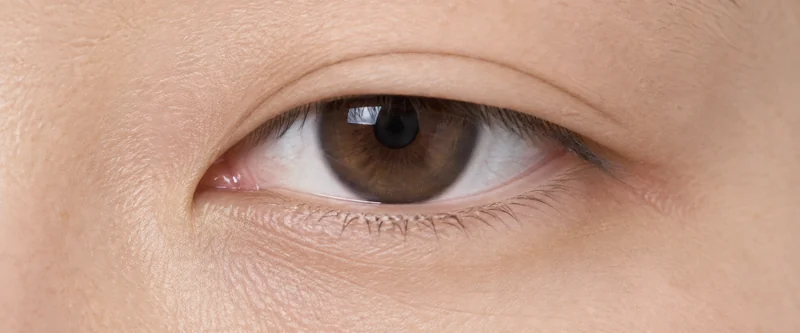
Double-eyelid surgery alone
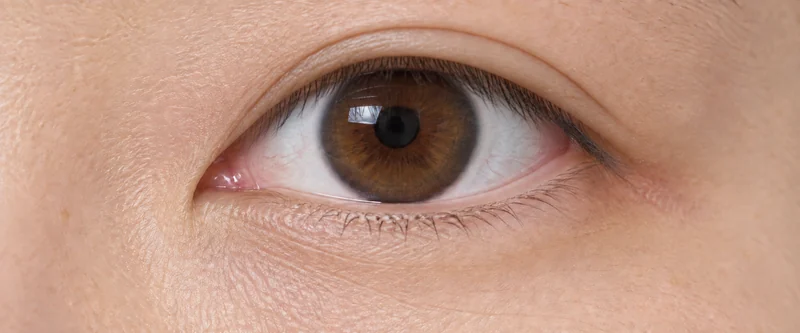
Double-eyelid surgery with ptosis correction
What if double-eyelid surgery is performed without ptosis correction?
If a patient with ptosis chooses double-eyelid surgery alone because of cost or scarring concerns, the resulting folds may be too thick or asymmetric.
Less of the iris remains visible, so the eyes may look smaller, and surgery may produce little apparent change.
After analyzing the cause, combining ptosis correction with revision eyelid surgery can create a clearer eye appearance.


DI PLASTIC SURGERY
Why DI Revision Eyelid Surgery?
- After analyzing the cause of failure, remaining skin and the desired fold are discussed to create a customized design.
- Meticulous surgery addresses functional and aesthetic concerns together.
- Detailed analysis and meticulous technique minimize tissue damage.
- An experienced specialist performs individually tailored revision eyelid surgery.


DI PLASTIC SURGERY
DI Revision Eyelid Surgery
Who may consider this procedure?
- People with asymmetric eyelid folds
- People with excessively thick folds or scars
- People whose eyelid folds have loosened
- People still concerned about a heavy eye appearance after double-eyelid surgery
DI PLASTIC SURGERY
Your desired eyes The reference photo you brought




Even with revision eyelid surgery, why should your goal be out of reach?
DI Medical BEFORE & AFTER

DI Medical BEFORE & AFTER


Drag left or right to compare
MORE BEFORE & AFTER CASES
CASE 01
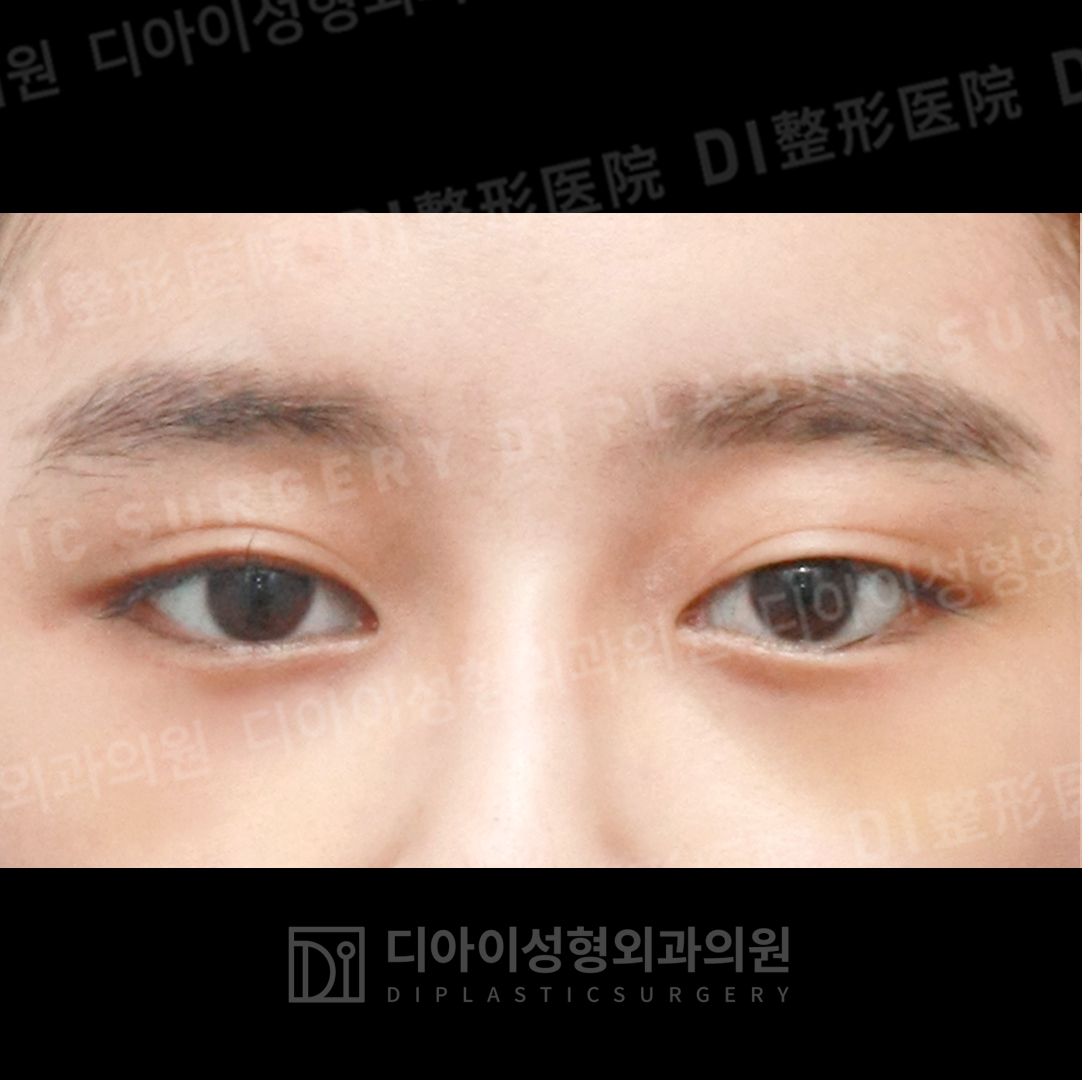
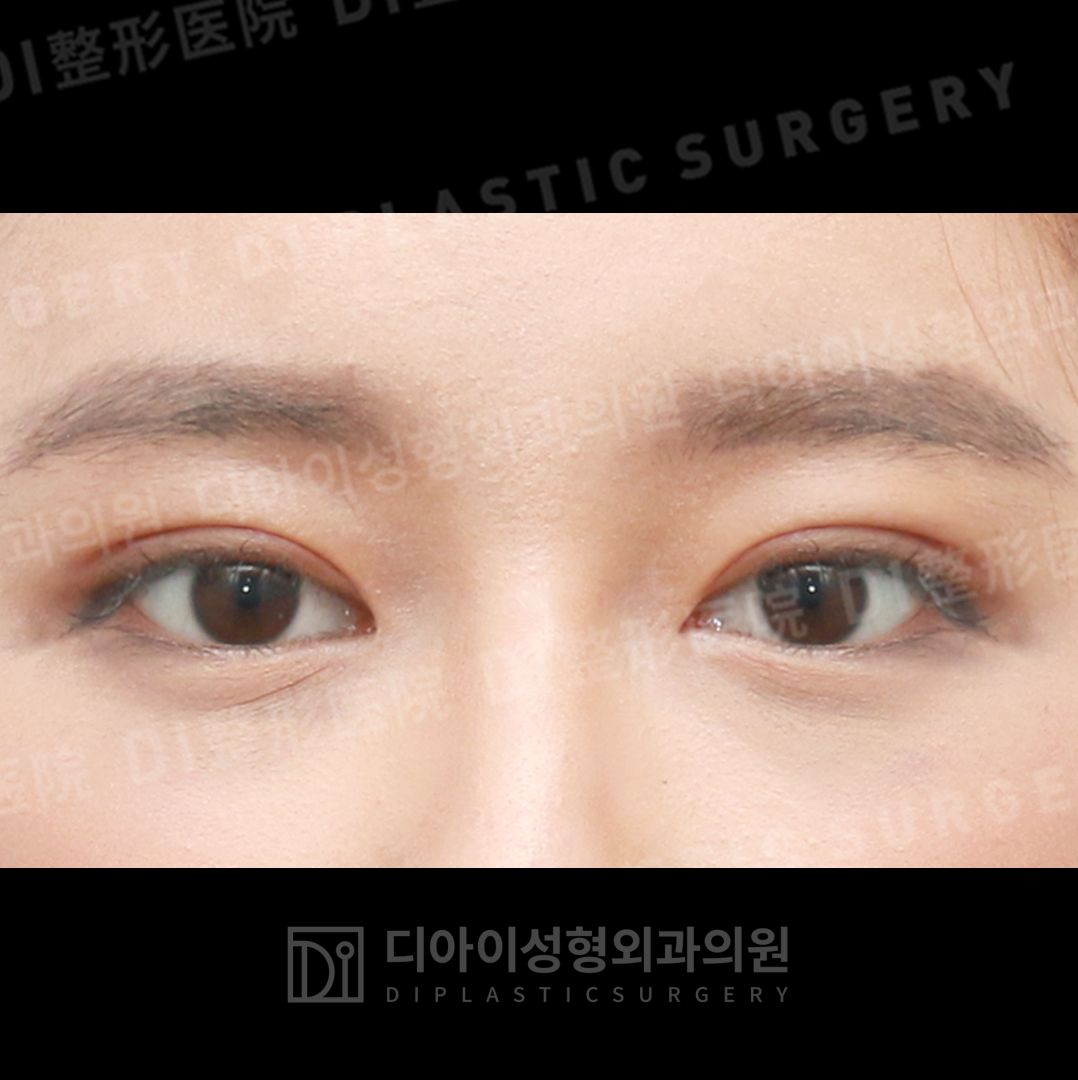
Drag left or right to compare
CASE 02
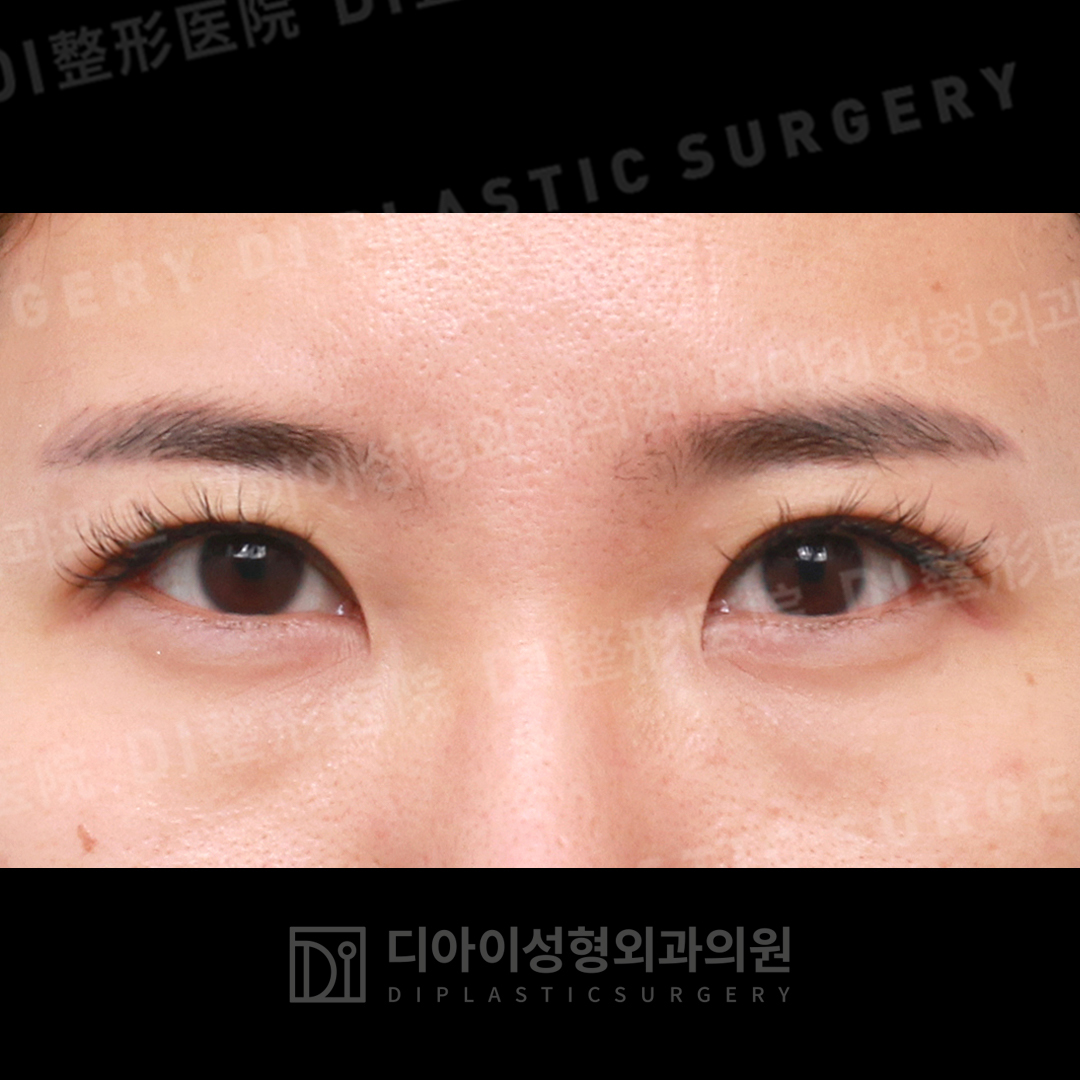
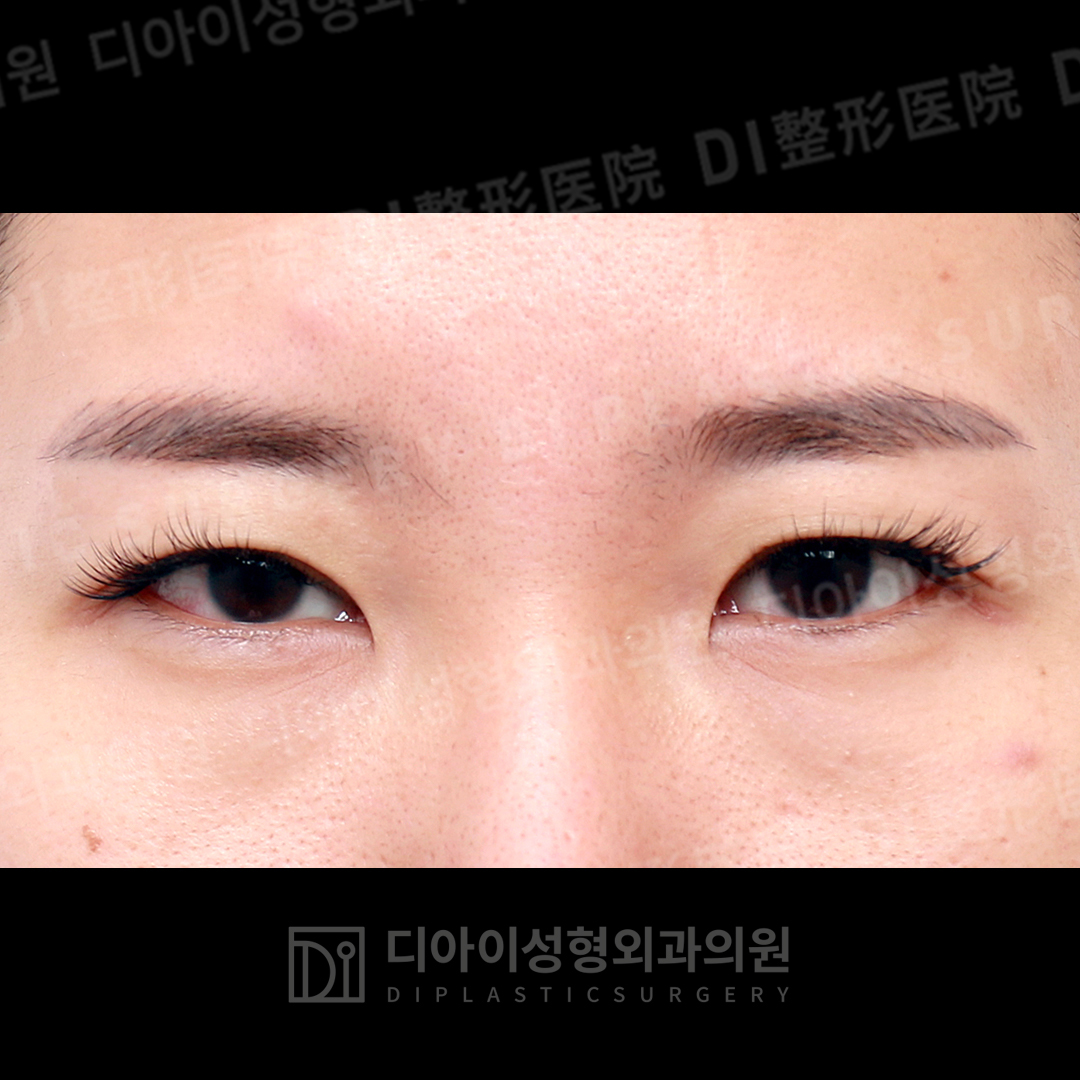
Drag left or right to compare
CASE 03
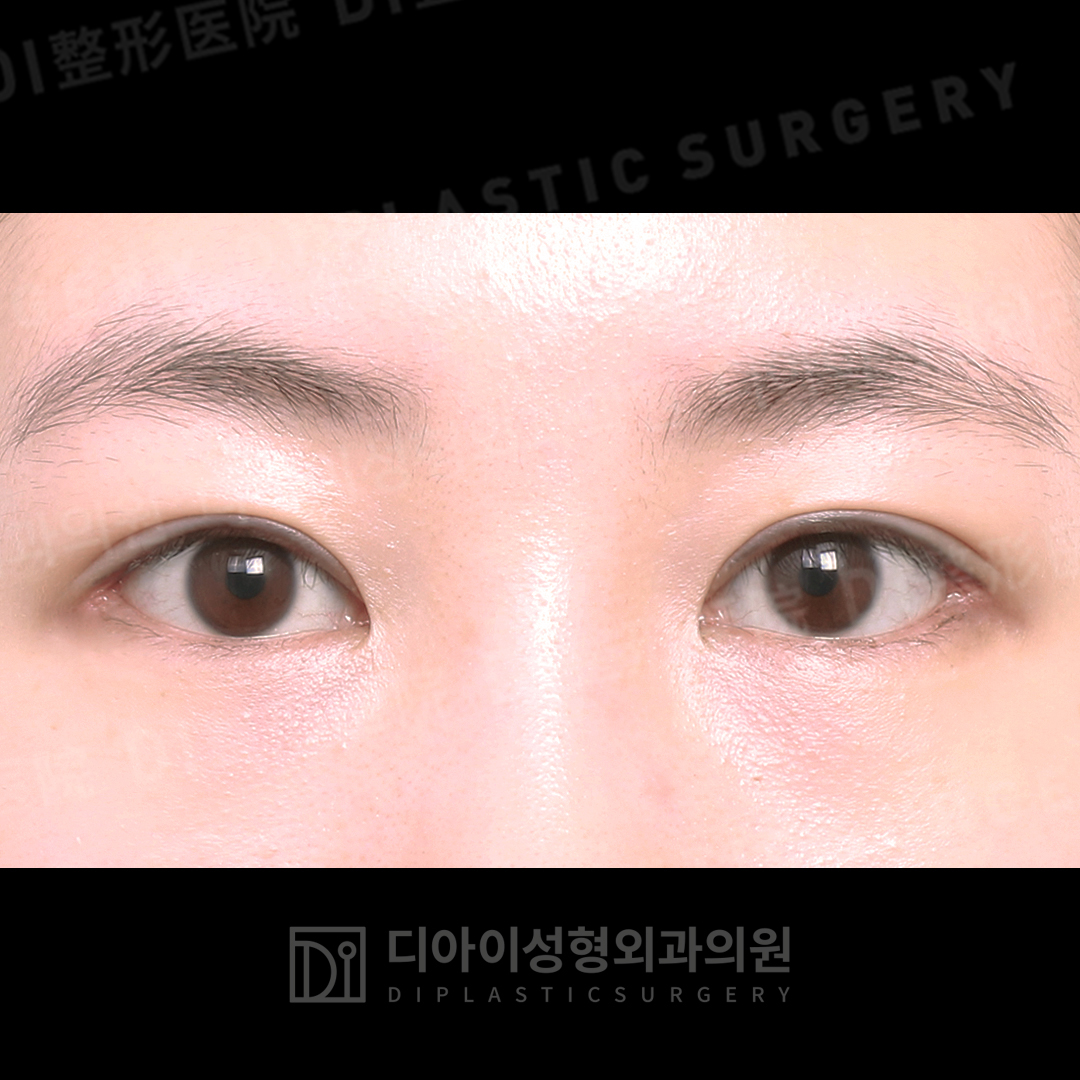
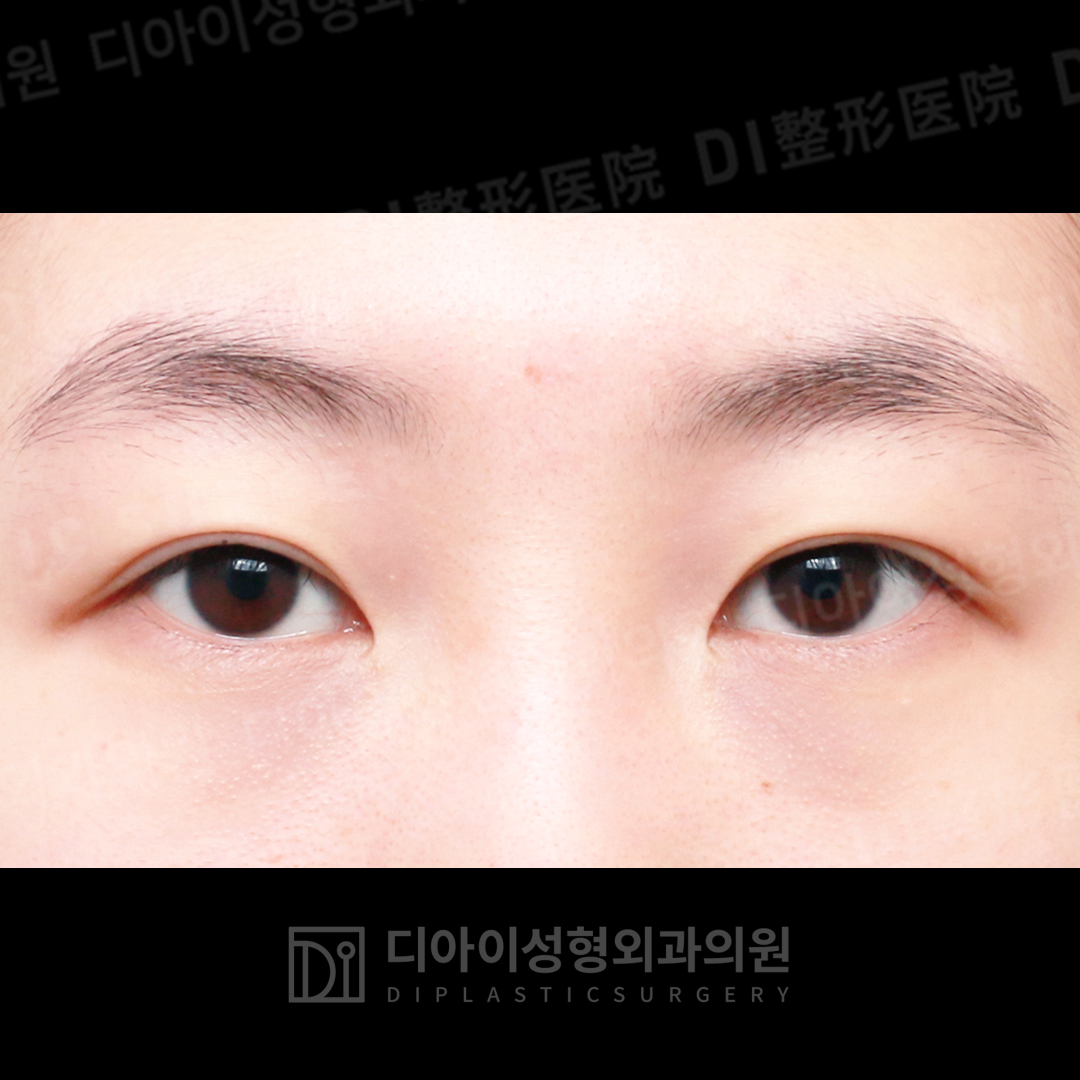
Drag left or right to compare
CASE 04
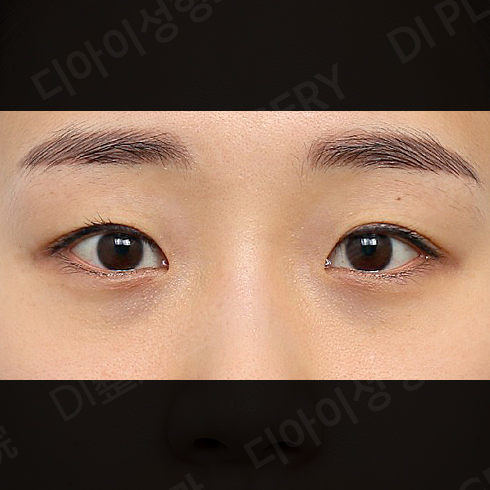
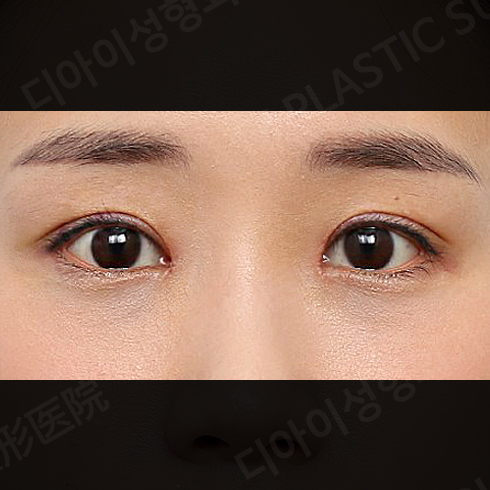
Drag left or right to compare
CASE 05
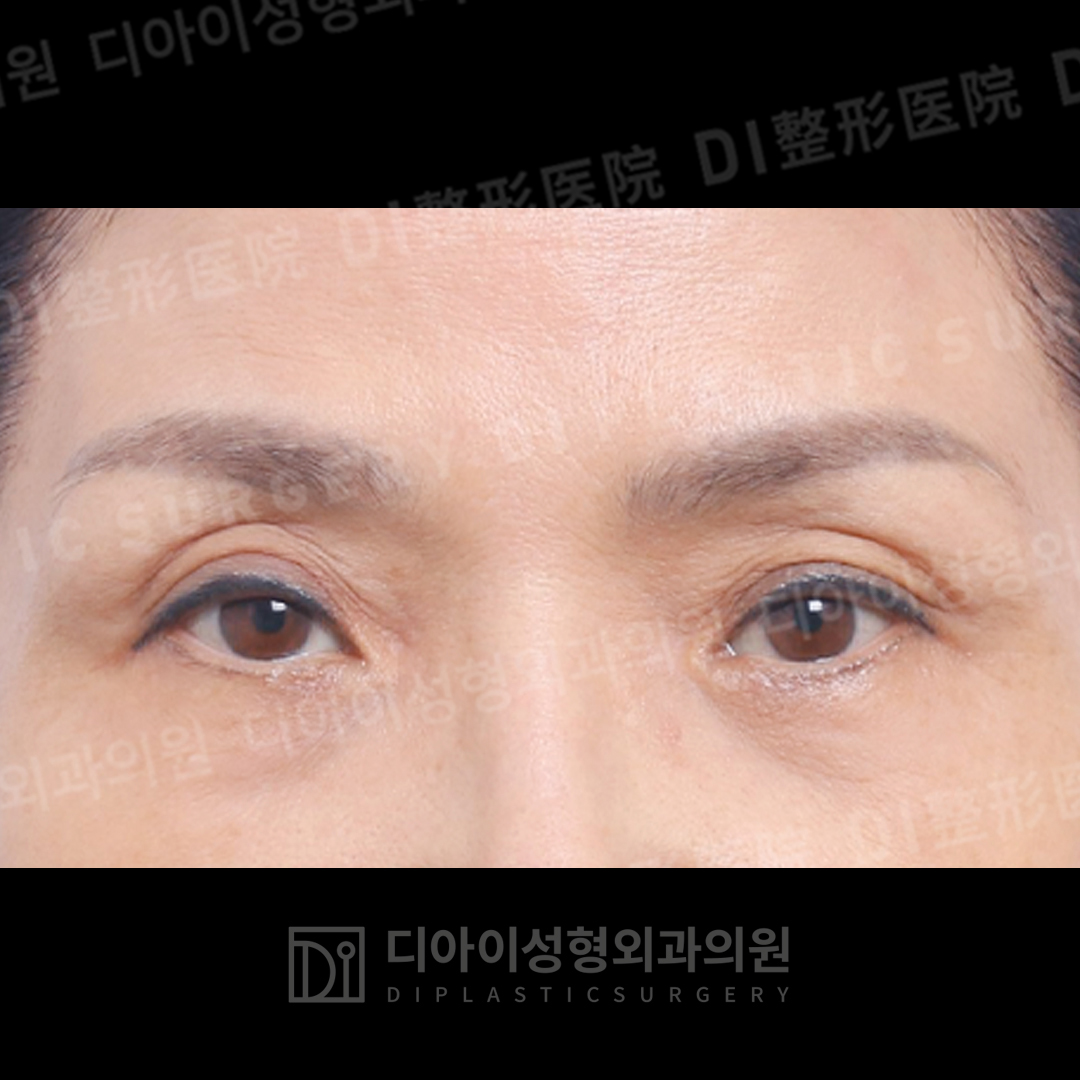
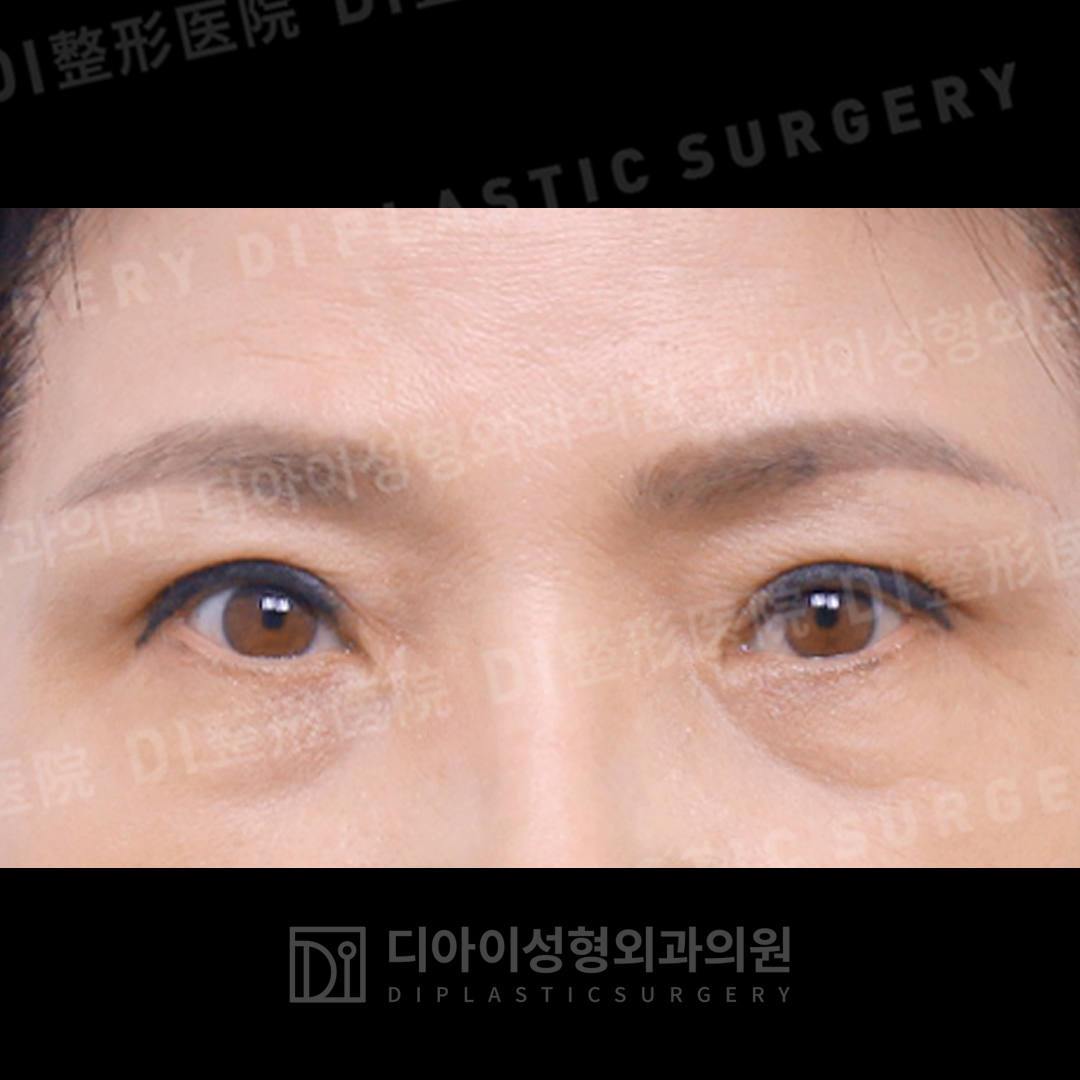
Drag left or right to compare
CASE 06
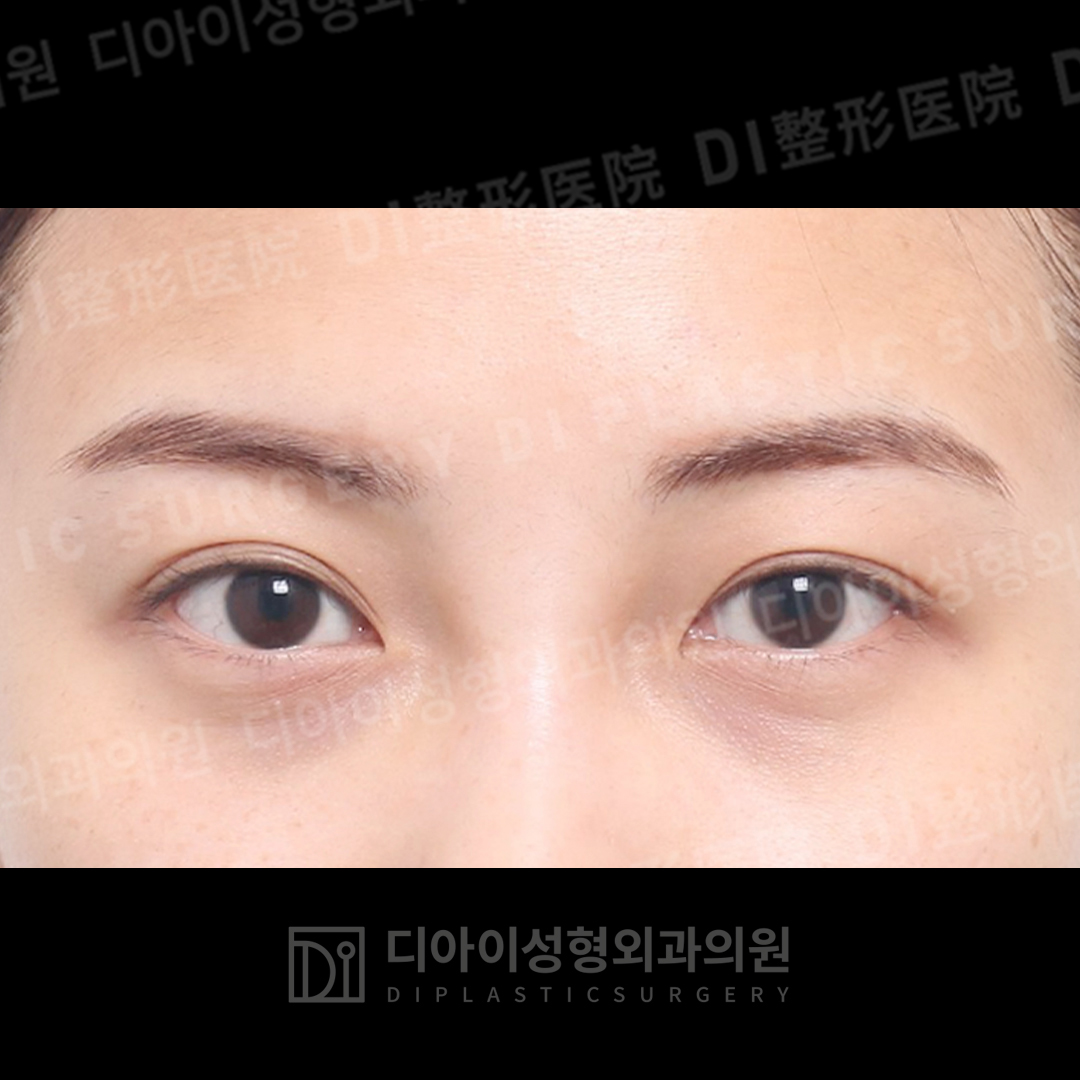
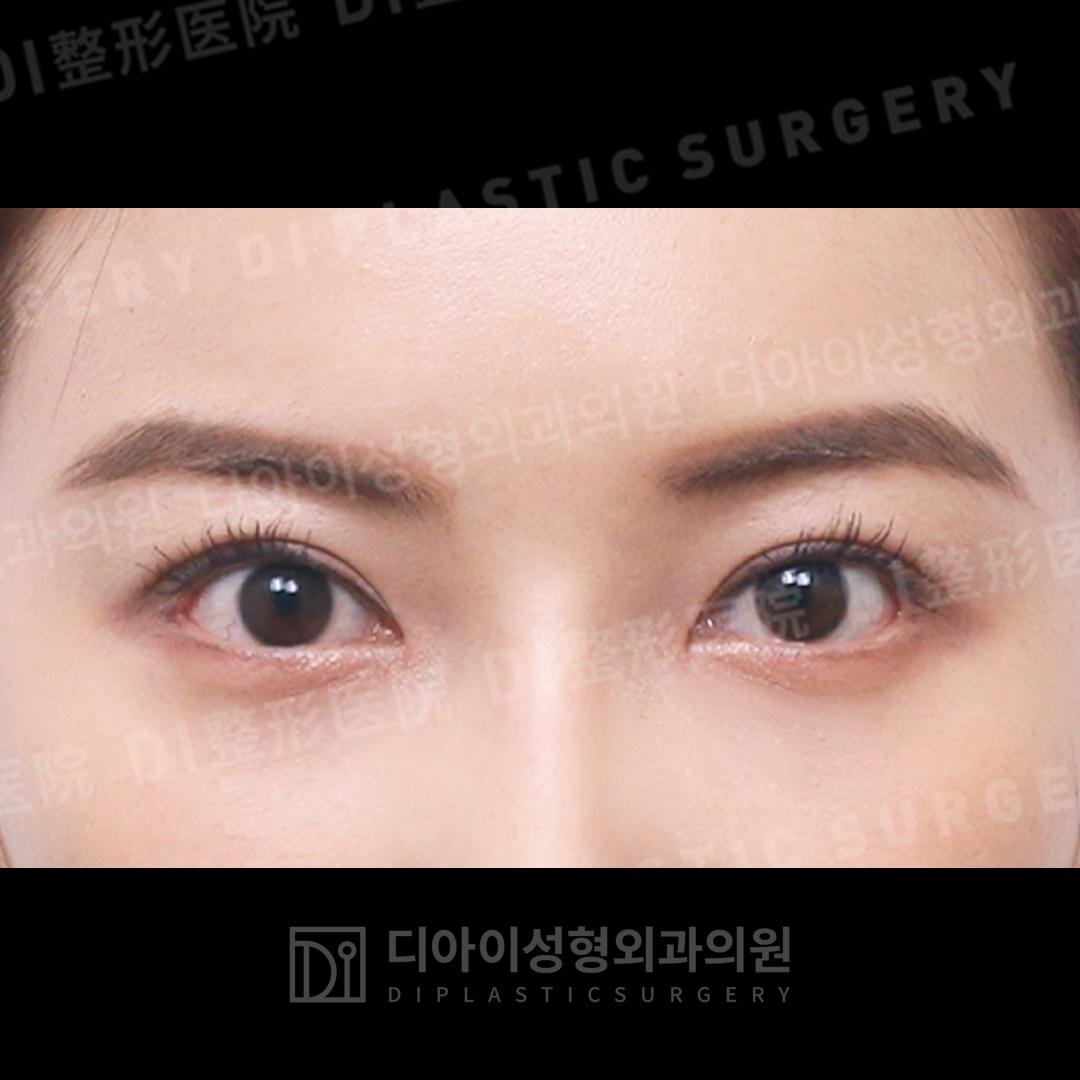
Drag left or right to compare
Individual results vary. Bleeding, infection, inflammation and other complications may occur after surgery.
Eye surgery aftercare
Follow your surgical team’s individual instructions. Recovery and follow-up schedules vary.
- 01
Washing
If you have stitches, keep the surgical area dry and clean until removal. On the day stitches are removed, wash gently with water only. Use soap from the following day.
- 02
Compresses
Use cold compresses for the first 3 days, then warm compresses from day 4. Cold helps reduce bleeding and swelling; warmth supports circulation and helps bruising and swelling subside.
- 03
Prescribed medication
Take the medication prescribed by the clinic. Apply a thin layer of the prescribed eye ointment to the stitch area with a cotton swab 2–3 times daily.
- 04
Eye drops, if prescribed
For procedures involving the inner lining of the lower eyelid, such as lower blepharoplasty, outer or lower canthoplasty, or under-eye fat repositioning, antibiotic eye drops may also be prescribed. Apply one drop 2–3 times daily before the eye ointment.
- 05
Activity
For about 1 week, avoid bending your head down, lifting heavy objects, or other activities that increase pressure in the face.
- 06
Contact lenses
Resume contact lenses approximately 2 weeks after surgery.
- 07
Makeup
Light makeup is possible after stitch removal. Wait at least 2 weeks before eyeliner, mascara, or other makeup that may irritate the eye area.
- 08
Alcohol & smoking
Avoid alcohol and smoking for 1 month. Avoid strenuous exercise and stress.