



DI PLASTIC SURGERY
DI Poten Canthoplasty
What is Poten Canthoplasty?
Depending on the location, techniques include medial, upper, lateral, and lower canthoplasty, which increase horizontal eye length and the space at the inner or outer corners. These procedures open up the eye contour.
DI's specialized surgical techniques create a more open eye appearance.
Surgery information
- Surgery duration
- 30 minutes
- Anesthesia
- Local anesthesia / sedation
- Hospital admission
- Not usually required
- Recovery period
- 1 week
- Suture removal
- Required
- Follow-up visits
- None
Complications may include bleeding, infection, inflammation, bruising, swelling, and pain. Satisfaction with surgery varies by individual.
DI PLASTIC SURGERY
DI Canthoplasty Design Cases

Medial / upper canthoplasty

Lateral canthoplasty

Dual canthoplasty

DI PLASTIC SURGERY
Opening the inner corners
Medial / upper canthoplasty
Epicanthal folds can make the inner corners look less open. DI's medial and upper epicanthoplasty reshape this area. Planning takes into account the width of the nasal base, the direction of the fold, how much of the lacrimal caruncle is exposed, and the distance between the eyes.

DI PLASTIC SURGERY
A softer, lifted outer-eye look
Lateral canthoplasty
For upturned outer corners or a short horizontal eye opening, lateral canthoplasty extends the outer corner by approximately 3–5 mm to lengthen the eye opening.

DI PLASTIC SURGERY
Two techniques, together
Dual canthoplasty
This technique combines lateral and lower canthoplasty. It addresses limits in outward extension and the tendency of remaining mucosal tissue to reattach during healing. DI's dual canthoplasty aims to soften the eye shape without excessive horizontal extension.
DI PLASTIC SURGERY
Beautifully DI!
Features of DI Canthoplasty
Balance between face and eyes is considered in the design, creating natural and attractive changes to the eyes
Meticulous incisions and careful suturing reduce concern about postoperative scars
DI's specialized techniques mean less swelling and a faster return to daily activities
Firm fixation reduces concern about re-adhesion
DI PLASTIC SURGERY
Cat-like or puppy-like eyes? Your desired eye appearance— choose your look!

With the canthoplasty I chose

As if they were always beautiful
DI PLASTIC SURGERY
Medial canthoplasty
With the skin gently stretched, the desired line is designed.
At the inner eye corner, the epicanthal fold is incised.
Around the incision, unnecessary skin is removed, followed by meticulous closure.
A more open eye appearance
For widely spaced or heavy-looking eyes, removing the epicanthal fold creates a larger, more open appearance.
Illustrative image explaining the surgical process.
DI PLASTIC SURGERY
Upper epicanthoplasty
With the skin gently stretched, An upward design
At the inner eye corner, the epicanthal fold is incised.
Around the incision, unnecessary skin is removed, followed by meticulous closure.
A more open, gentle eye appearance
Opening the upper inner eye corner at a 45-degree angle increases vertical eye length, creating rounder, larger eyes with a softer appearance.
Illustrative image explaining the surgical process.
DI PLASTIC SURGERY
Lateral canthoplasty
The lower eye contour and outer corner are designed to suit the eye shape.
An incision is made in the outer-corner skin and conjunctiva, creating a skin flap to extend the actual outer-corner length.
After adjusting the outer corner, it is firmly fixed to the periosteum, and closed to minimize scarring.
Longer, more open-looking eyes
For upturned outer corners or eyes needing greater horizontal length, an incision at the outer corner extends the eye and adjusts corner position for a softer impression.
Illustrative image explaining the surgical process.
DI PLASTIC SURGERY
Lower canthoplasty
At the lower outer eye, the area to be lowered is marked with a customized design.
An incision inside the lower eyelid's conjunctiva allows the outer corner to be lowered.
The outer corner is lowered as needed, then firmly fixed to the lateral ligament.
Larger eyes with a softer appearance
For upturned corners that create a sharp impression, adjusting their angle produces a softer, more open eye appearance.
Illustrative image explaining the surgical process.
DI Medical BEFORE & AFTER

DI Medical BEFORE & AFTER


Drag left or right to compare
MORE BEFORE & AFTER CASES
CASE 01
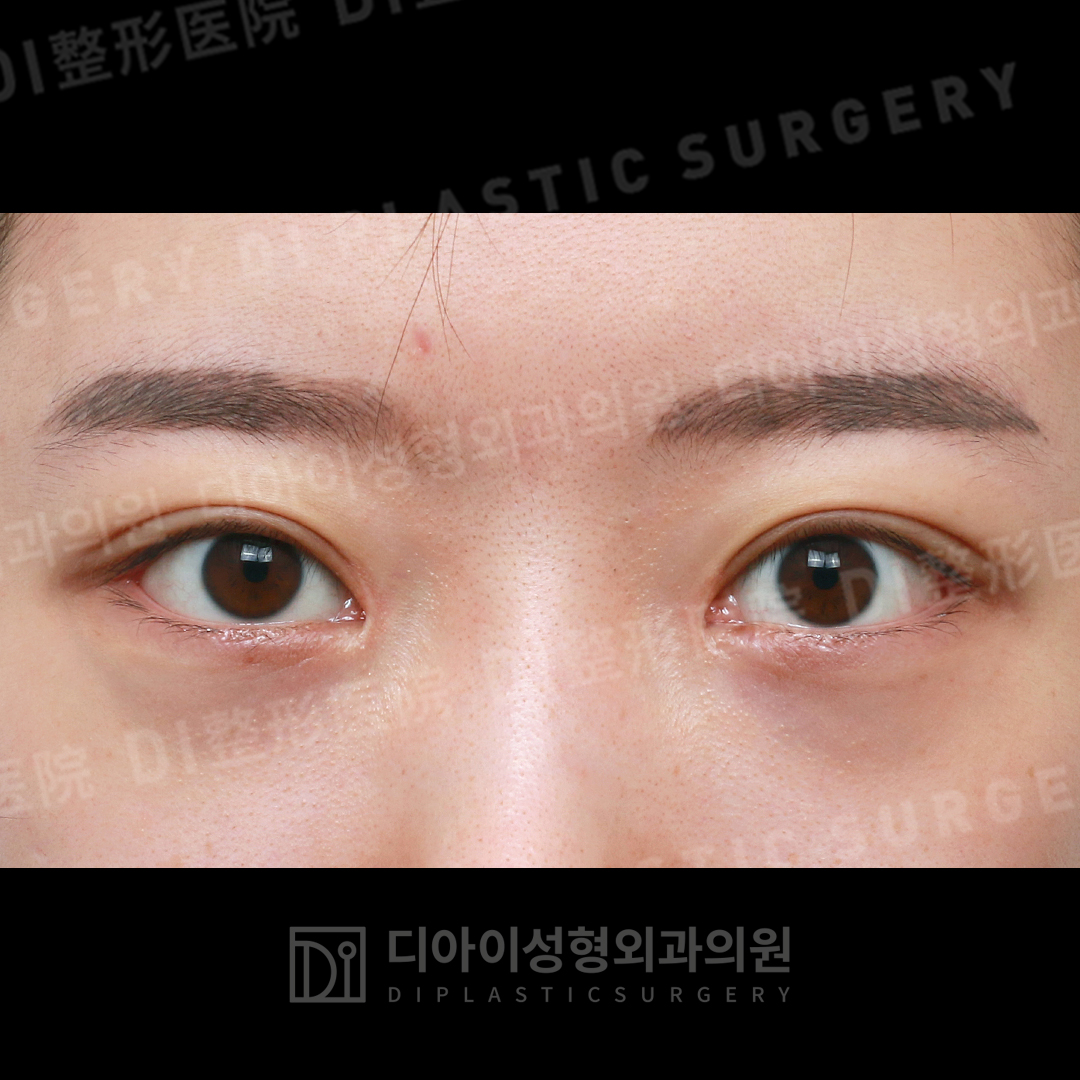
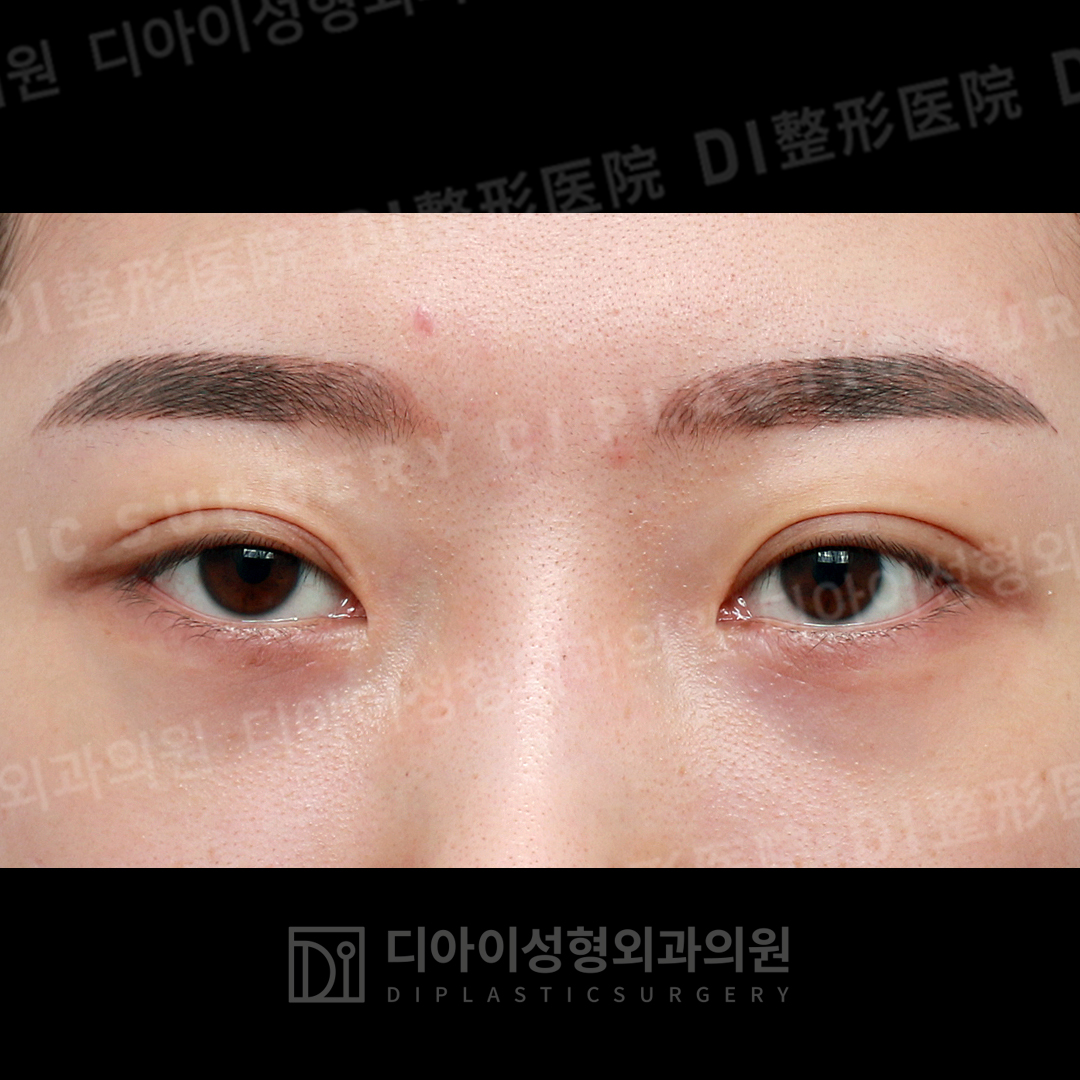
Drag left or right to compare
CASE 02
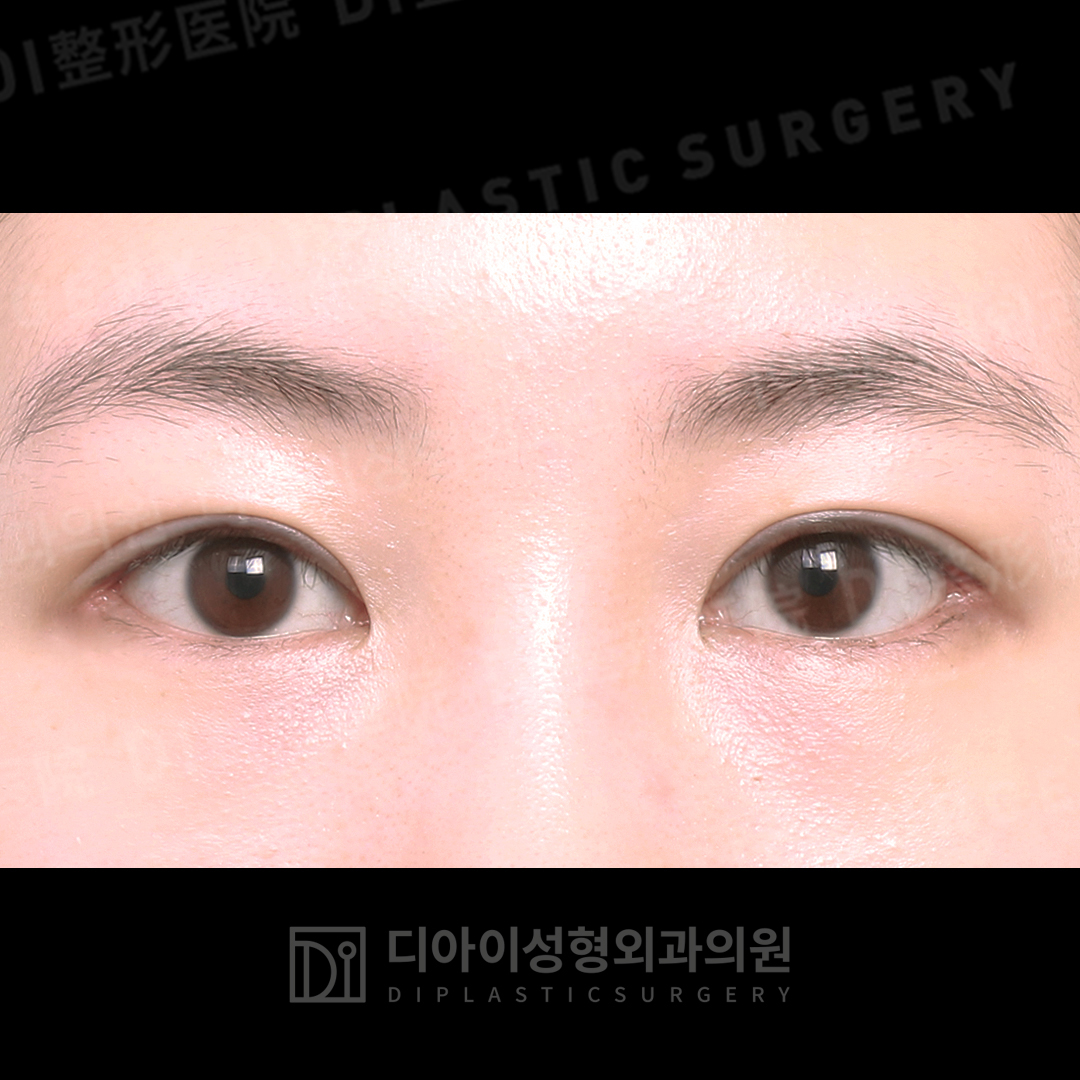
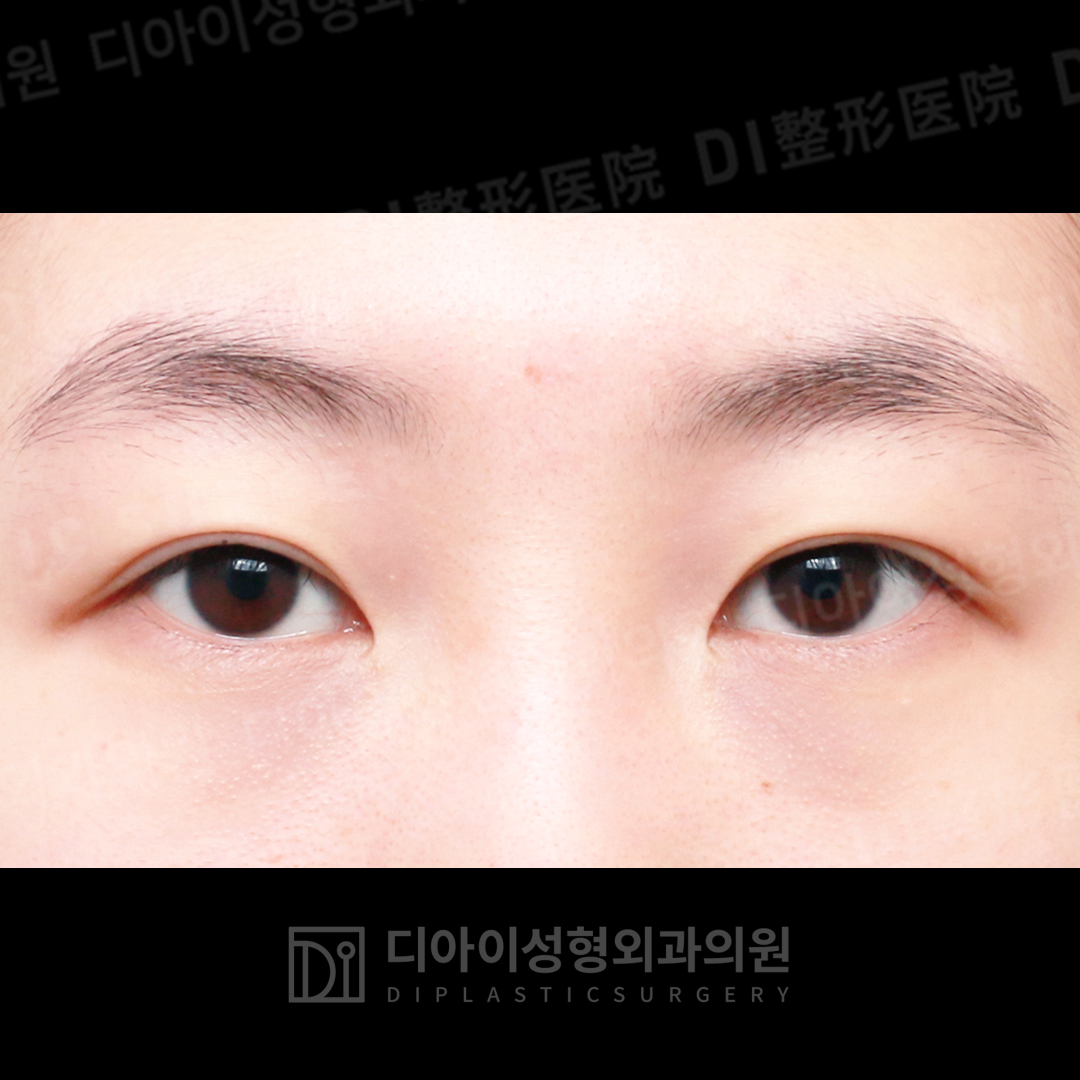
Drag left or right to compare
CASE 03
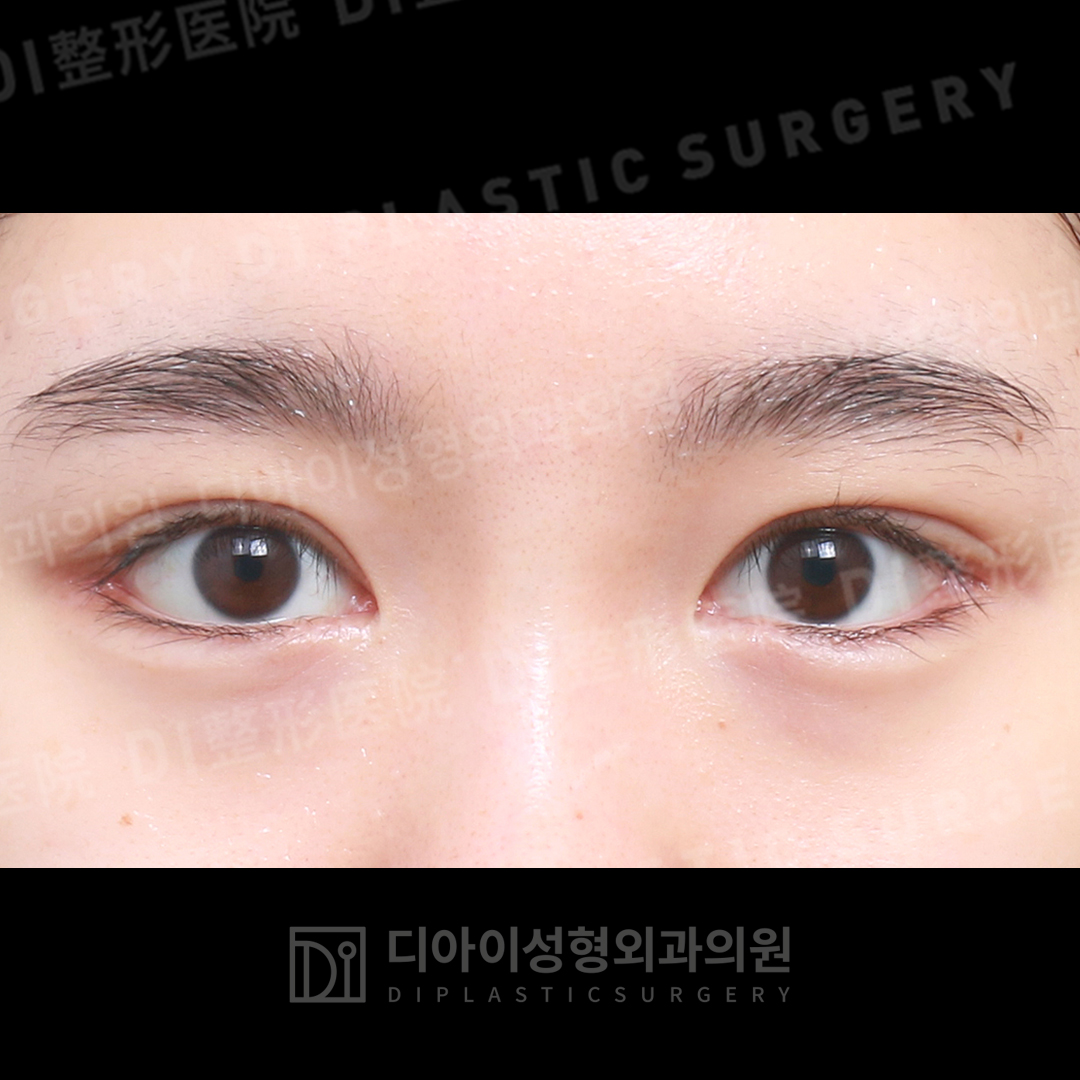
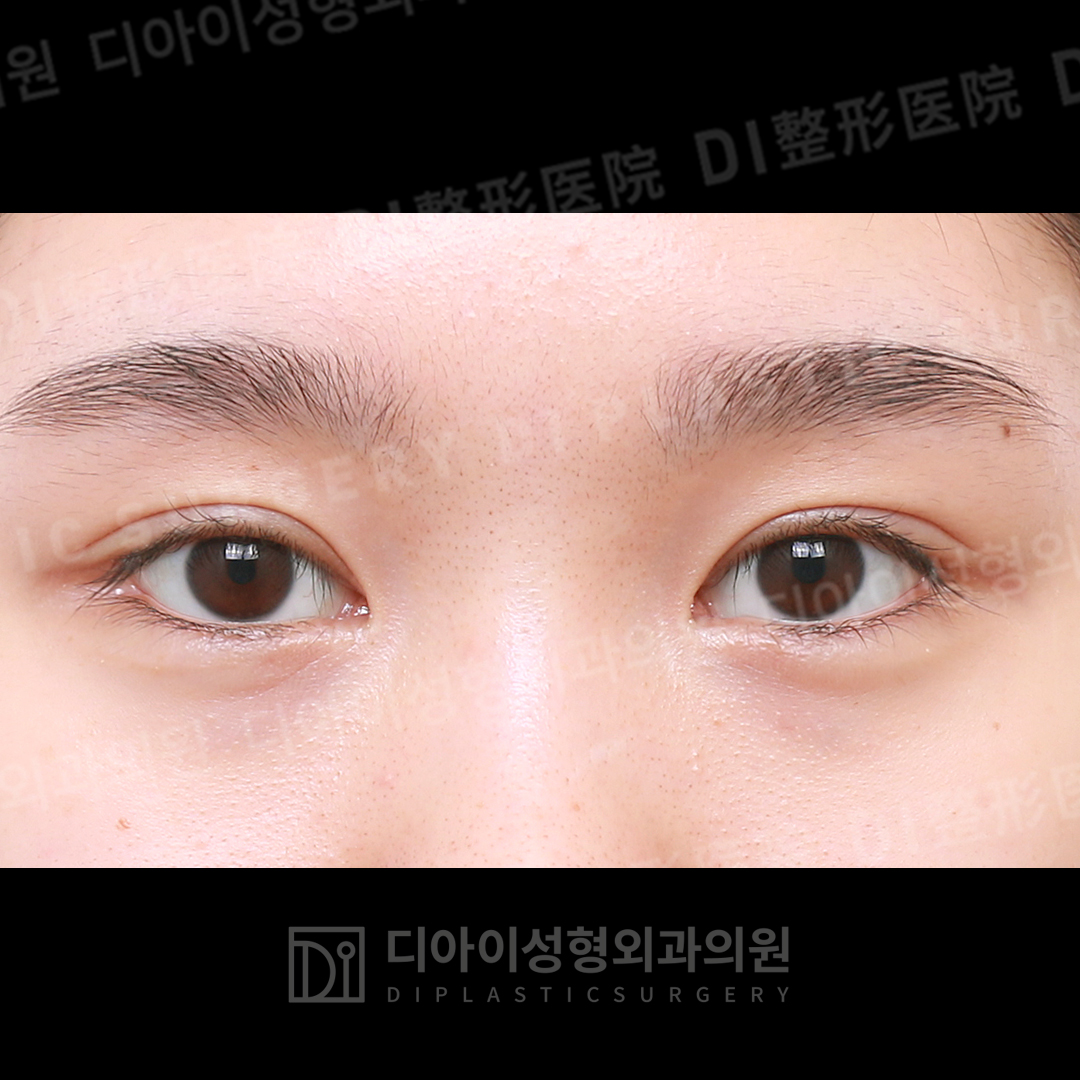
Drag left or right to compare
CASE 04
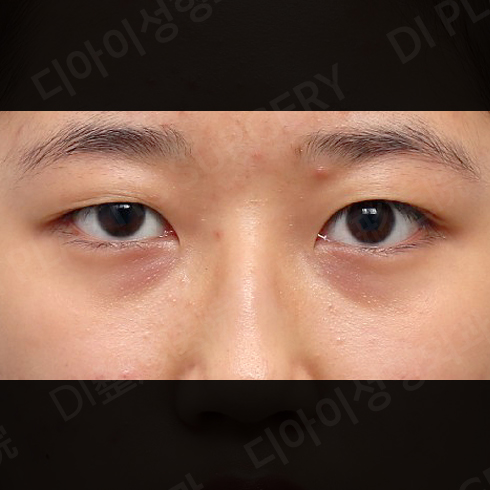
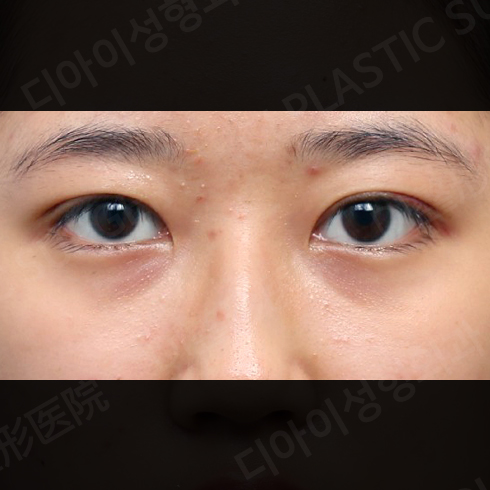
Drag left or right to compare
CASE 05
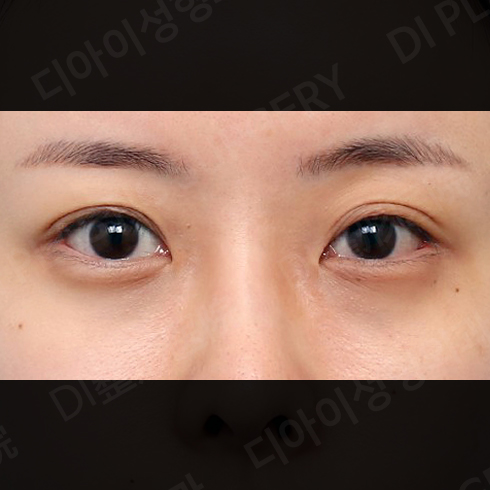
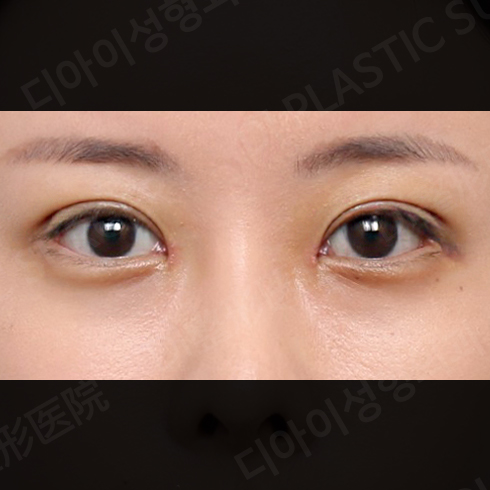
Drag left or right to compare
CASE 06
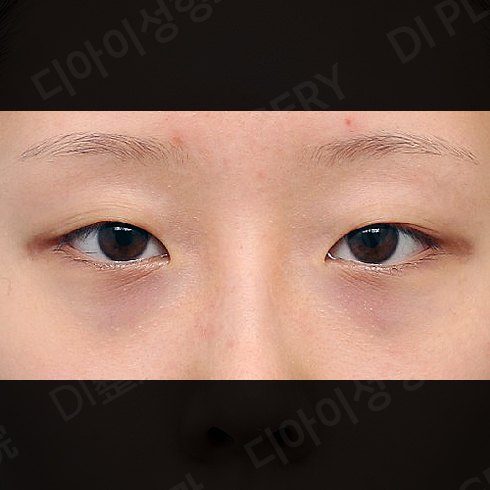
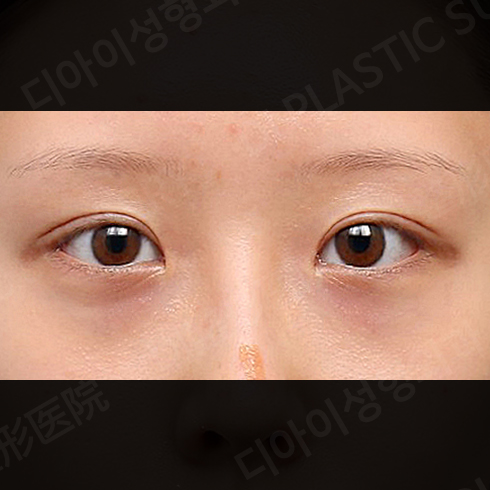
Drag left or right to compare
Individual results vary. Bleeding, infection, inflammation and other complications may occur after surgery.
Eye surgery aftercare
Follow your surgical team’s individual instructions. Recovery and follow-up schedules vary.
- 01
Washing
If you have stitches, keep the surgical area dry and clean until removal. On the day stitches are removed, wash gently with water only. Use soap from the following day.
- 02
Compresses
Use cold compresses for the first 3 days, then warm compresses from day 4. Cold helps reduce bleeding and swelling; warmth supports circulation and helps bruising and swelling subside.
- 03
Prescribed medication
Take the medication prescribed by the clinic. Apply a thin layer of the prescribed eye ointment to the stitch area with a cotton swab 2–3 times daily.
- 04
Eye drops, if prescribed
For procedures involving the inner lining of the lower eyelid, such as lower blepharoplasty, outer or lower canthoplasty, or under-eye fat repositioning, antibiotic eye drops may also be prescribed. Apply one drop 2–3 times daily before the eye ointment.
- 05
Activity
For about 1 week, avoid bending your head down, lifting heavy objects, or other activities that increase pressure in the face.
- 06
Contact lenses
Resume contact lenses approximately 2 weeks after surgery.
- 07
Makeup
Light makeup is possible after stitch removal. Wait at least 2 weeks before eyeliner, mascara, or other makeup that may irritate the eye area.
- 08
Alcohol & smoking
Avoid alcohol and smoking for 1 month. Avoid strenuous exercise and stress.