



DI PLASTIC SURGERY
DI DOUBLE-EYELID SURGERY
WHAT IS DOUBLE-EYELID SURGERY?
DI Double-Eyelid Surgery considers each person's eye condition, shape, and harmony and designs the fold to suit overall facial proportions. An in-fold, out-fold, or in-out fold is selected to suit the individual, creating a more natural eyelid crease.
DI PLASTIC SURGERY
A natural fold that suits you
DI EYELID SURGERY CASES
IN-FOLD
IN-OUT FOLD
OUT-FOLD
SEMI-OUT FOLD
DI PLASTIC SURGERY
Natural, as if you were born with it
Tapered crease
A tapered crease begins within the inner corner of the eye. Its low, thin line can create a natural look and often suits East Asian eyelids. It may suit people with little space between the eyes and eyebrows, or those who prefer a subtle crease.
DI PLASTIC SURGERY
A softer, rounder look
In-out crease
An in-out crease begins just outside the inner corner and gradually widens. It is fuller than a tapered crease and lies between a tapered and a parallel crease. Many people choose this shape for a natural yet defined, open appearance.
DI PLASTIC SURGERY
A bold, open look
Parallel crease
A parallel crease starts above the inner corner and is often seen in Western eyelids. Its higher, fuller line can create a more pronounced look. When the space between the eye and eyebrow is narrow, this crease may make it appear narrower. A forehead lift may be considered alongside it, or a different crease shape may be more suitable.
DI PLASTIC SURGERY
Softness and definition together
Semi-parallel crease
Prefer a defined crease with a natural appearance? A semi-parallel crease starts lower at the inner corner than a parallel crease, combining a soft appearance with a more defined outer line. The crease grows higher toward the outer corner for an open look, while tapering lower toward the inner corner for a natural finish.
DI Medical BEFORE & AFTER

DI Medical BEFORE & AFTER


Drag left or right to compare
MORE BEFORE & AFTER CASES
CASE 01
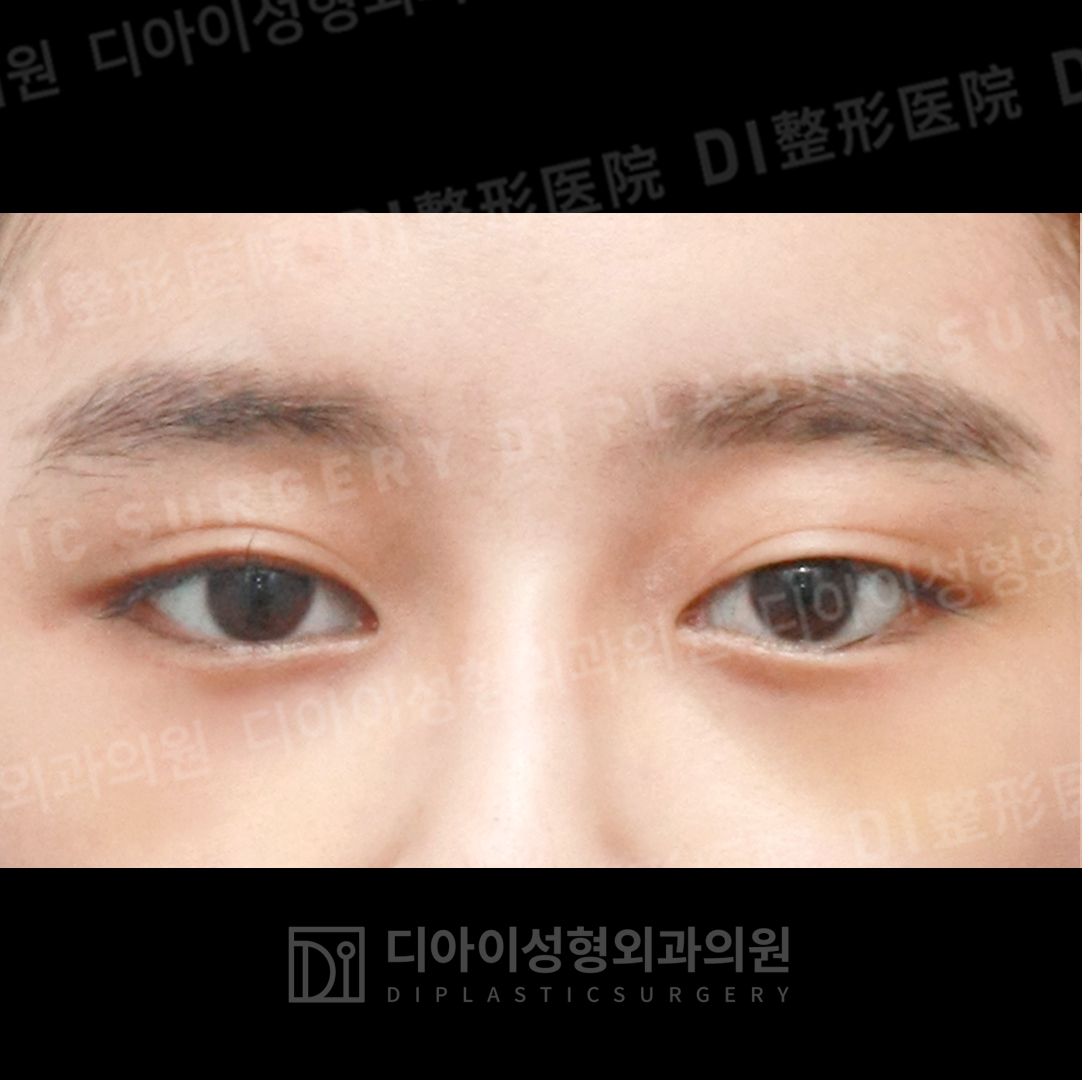
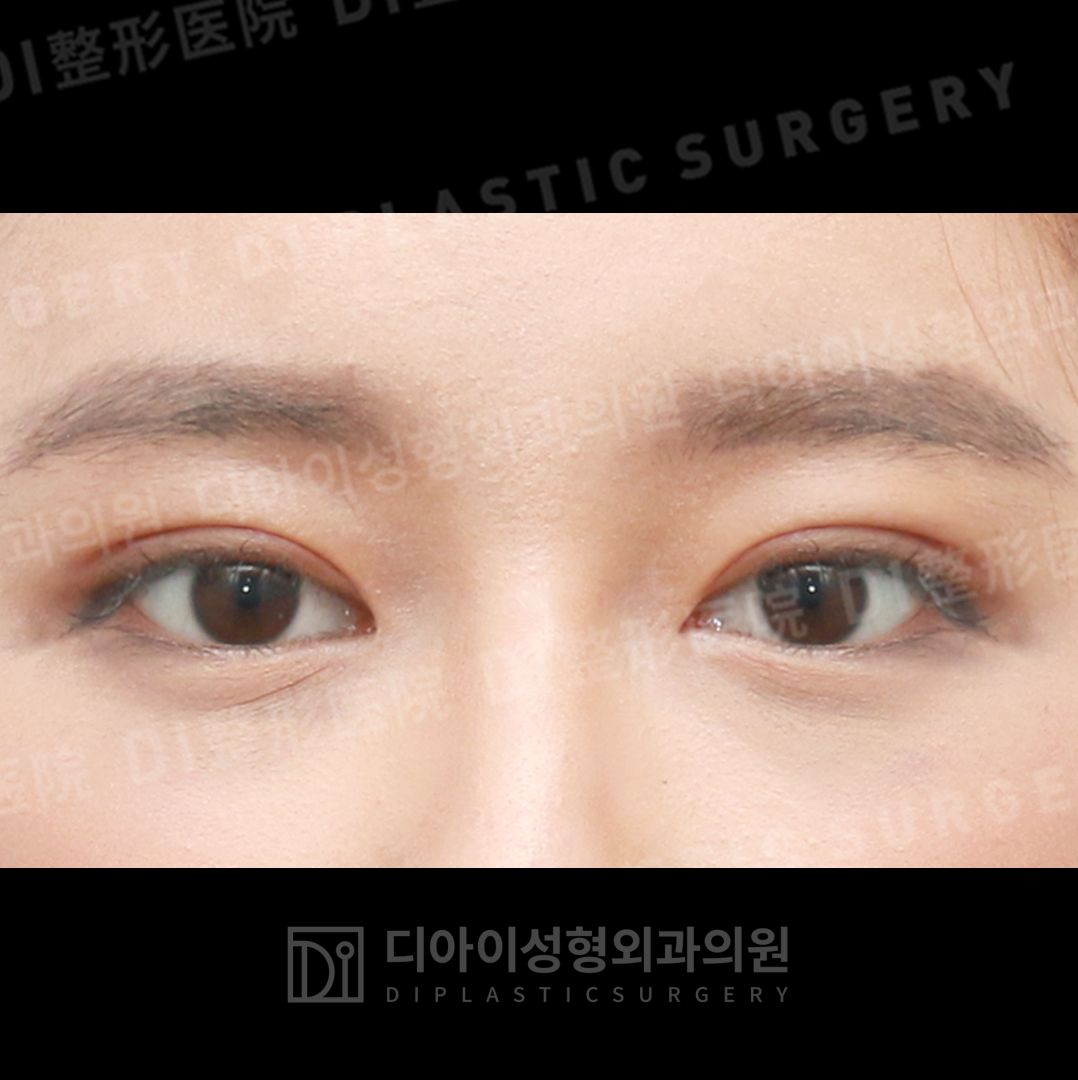
Drag left or right to compare
CASE 02
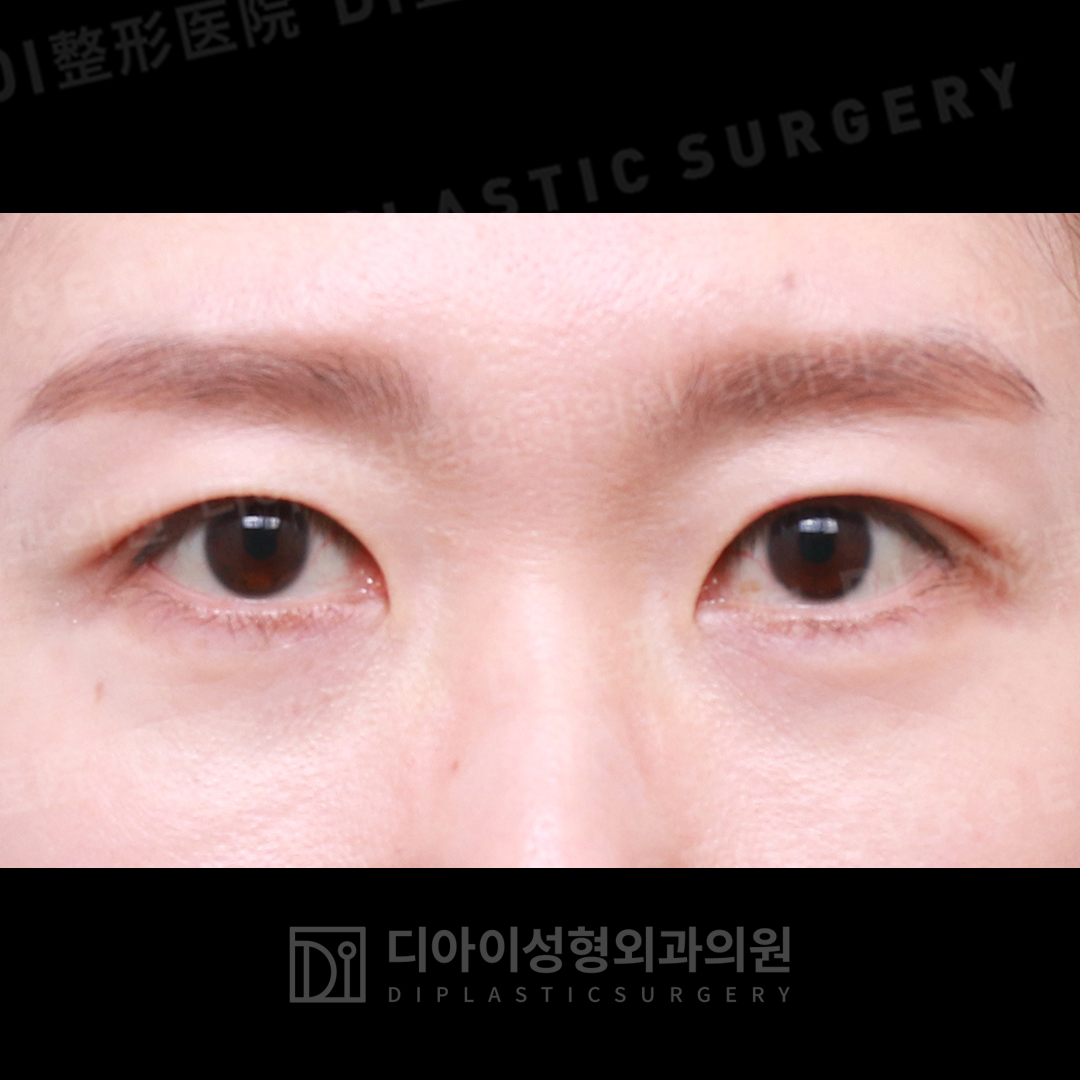
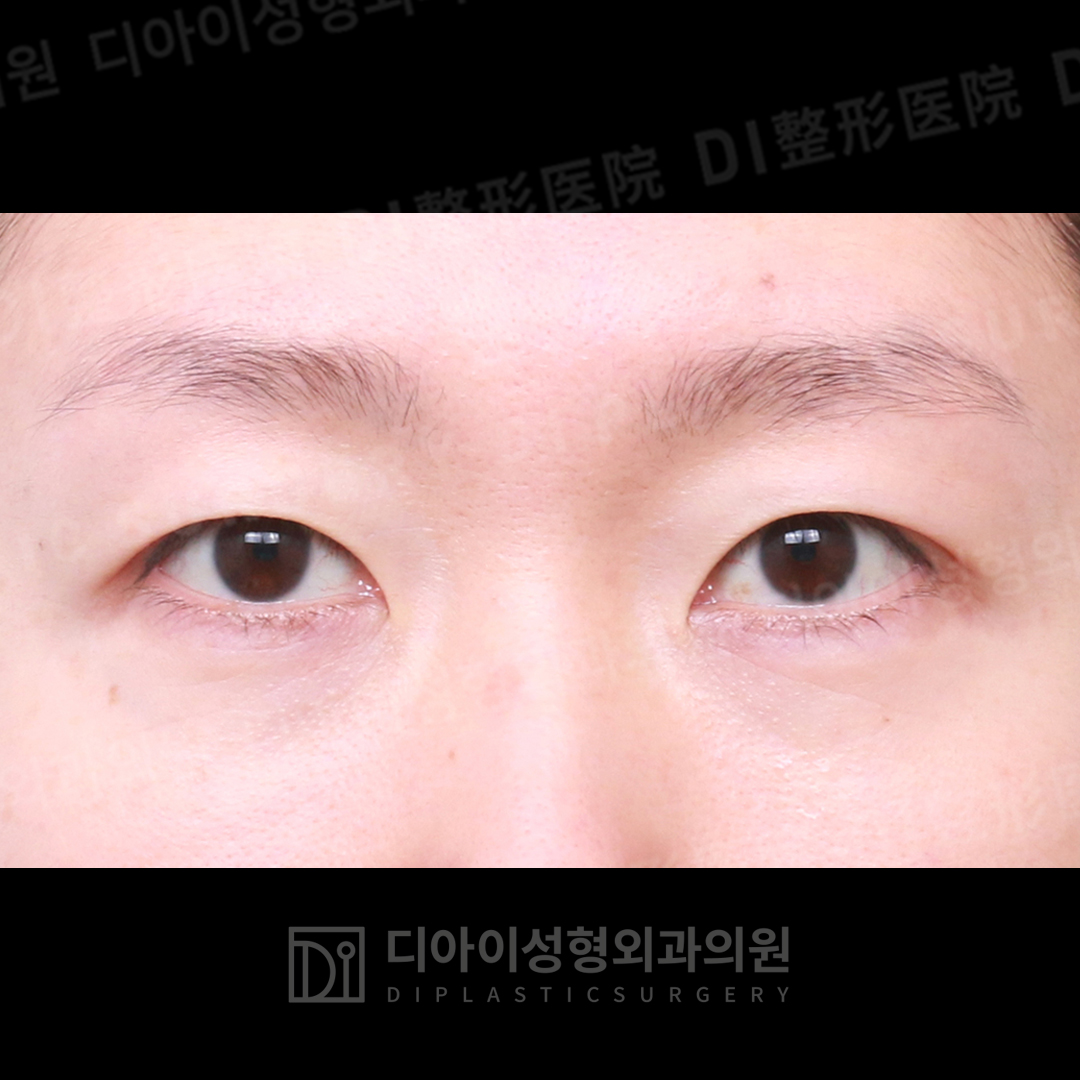
Drag left or right to compare
CASE 03
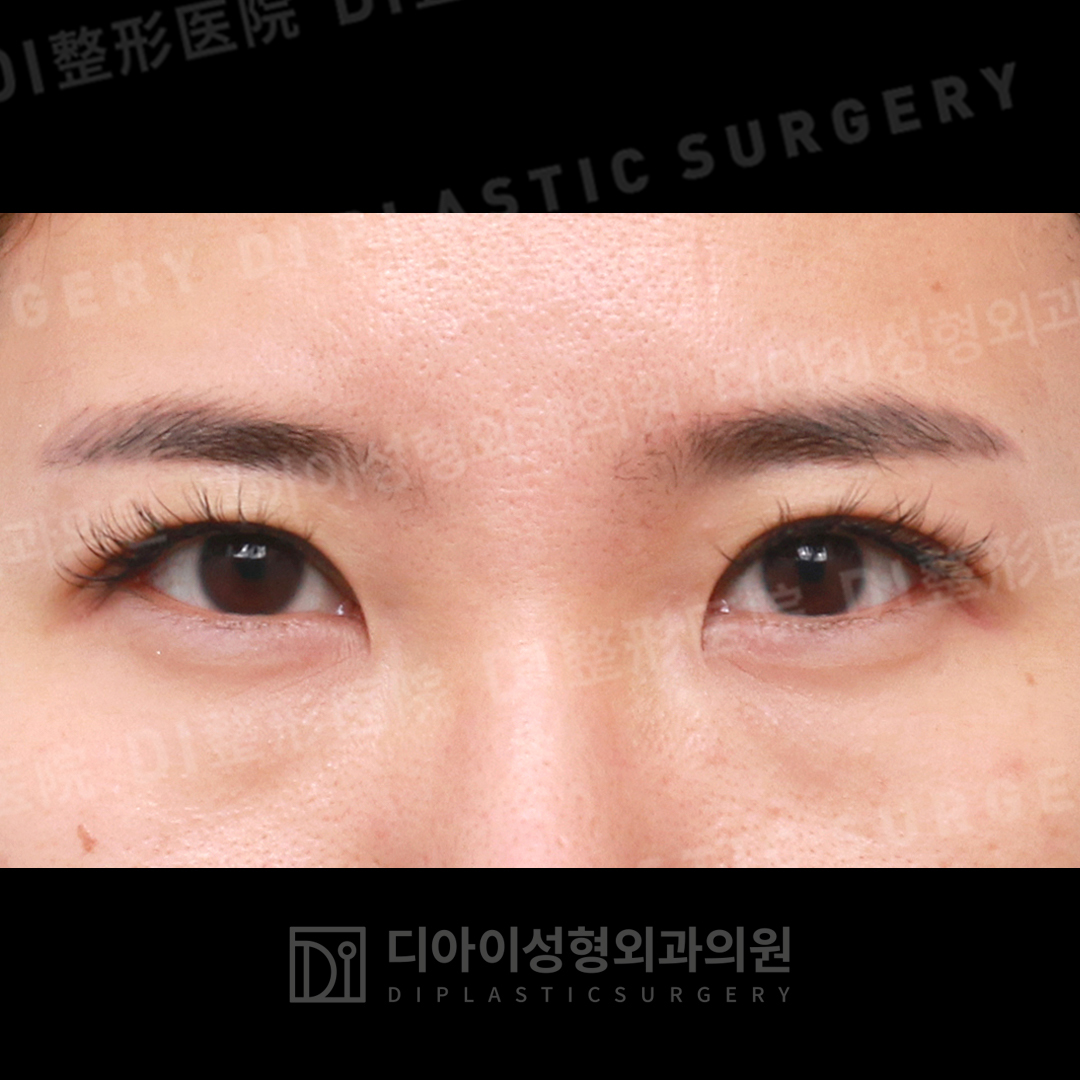
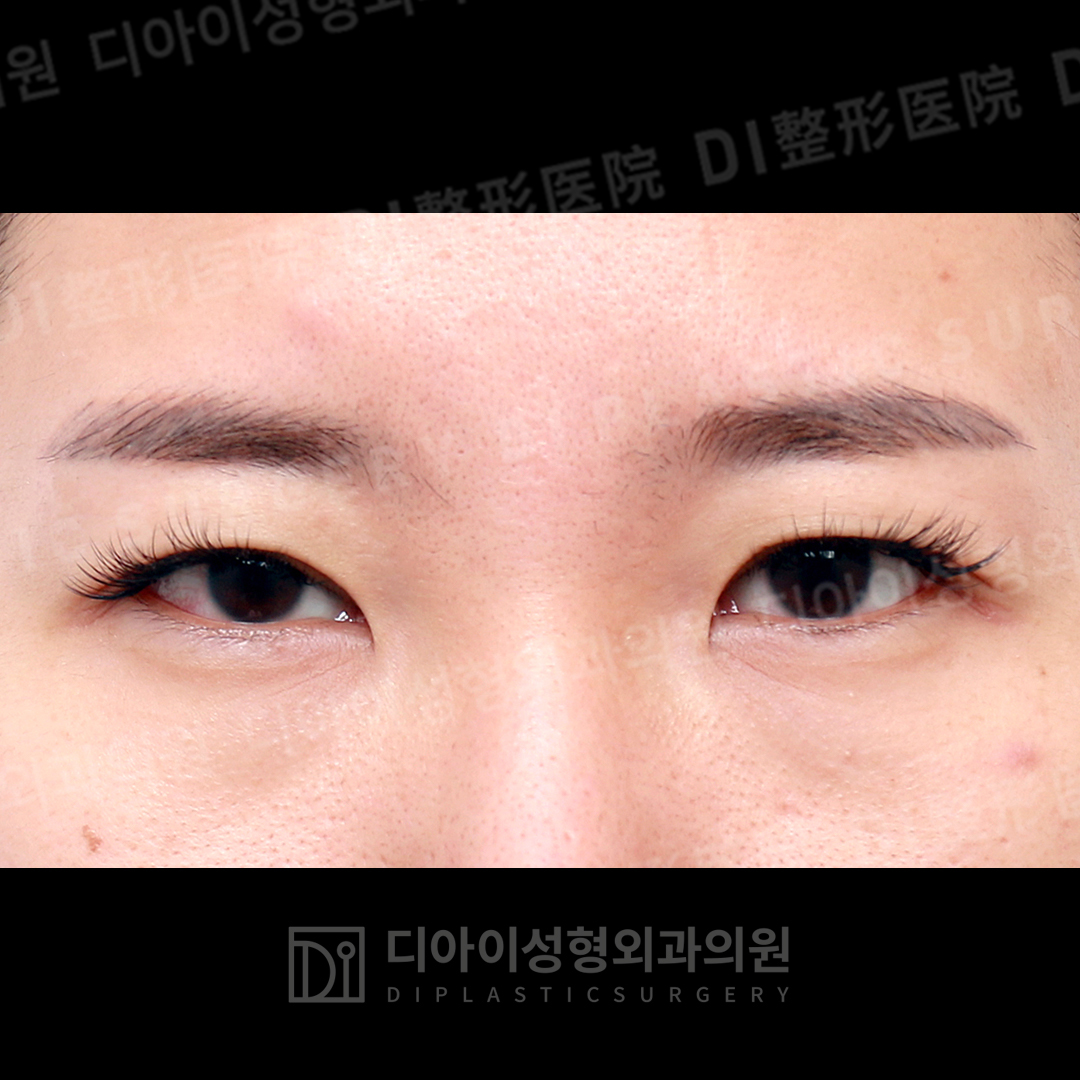
Drag left or right to compare
CASE 04
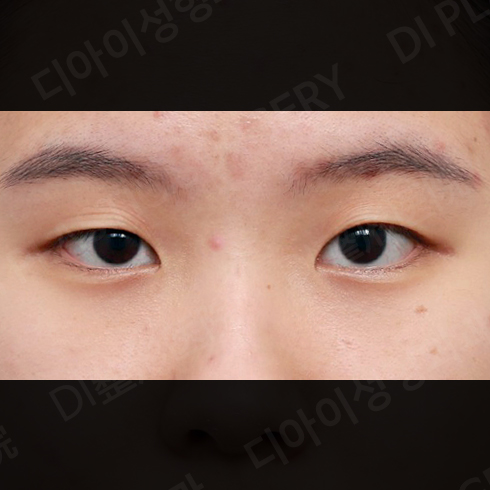
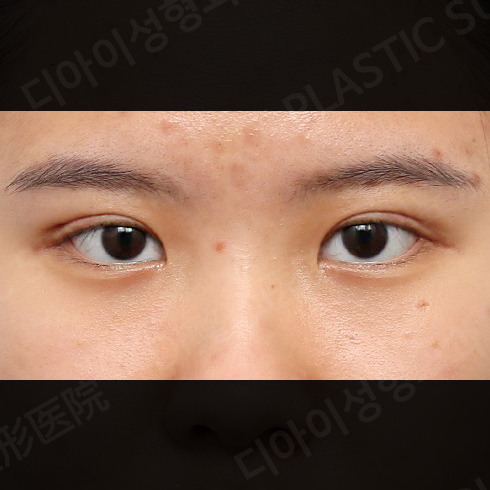
Drag left or right to compare
CASE 05
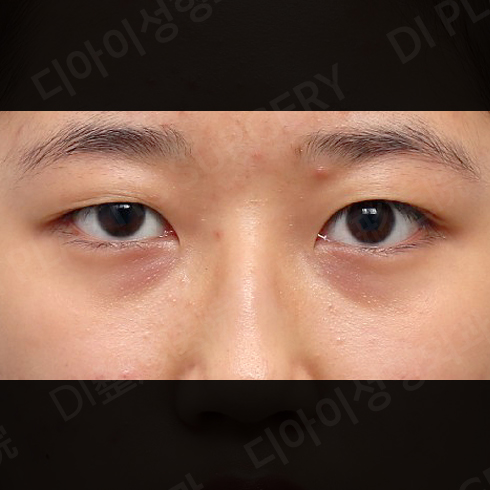
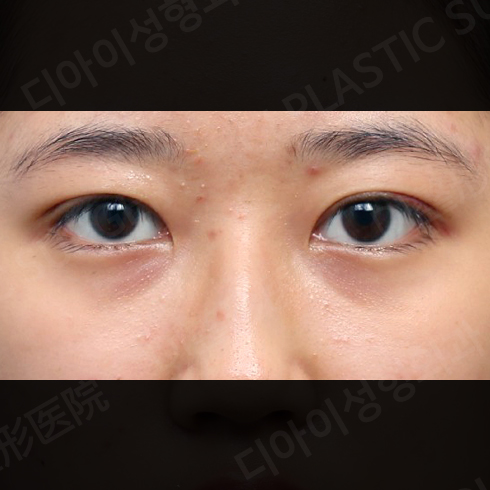
Drag left or right to compare
CASE 06
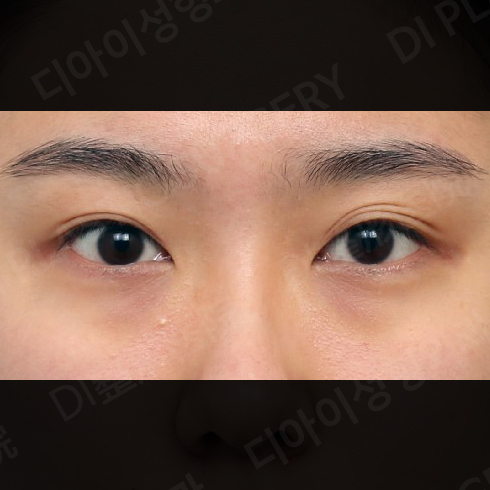
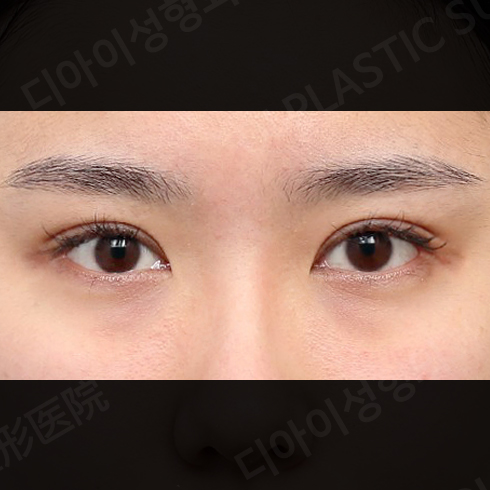
Drag left or right to compare
Individual results vary. Bleeding, infection, inflammation and other complications may occur after surgery.
Eye surgery aftercare
Follow your surgical team’s individual instructions. Recovery and follow-up schedules vary.
- 01
Washing
If you have stitches, keep the surgical area dry and clean until removal. On the day stitches are removed, wash gently with water only. Use soap from the following day.
- 02
Compresses
Use cold compresses for the first 3 days, then warm compresses from day 4. Cold helps reduce bleeding and swelling; warmth supports circulation and helps bruising and swelling subside.
- 03
Prescribed medication
Take the medication prescribed by the clinic. Apply a thin layer of the prescribed eye ointment to the stitch area with a cotton swab 2–3 times daily.
- 04
Eye drops, if prescribed
For procedures involving the inner lining of the lower eyelid, such as lower blepharoplasty, outer or lower canthoplasty, or under-eye fat repositioning, antibiotic eye drops may also be prescribed. Apply one drop 2–3 times daily before the eye ointment.
- 05
Activity
For about 1 week, avoid bending your head down, lifting heavy objects, or other activities that increase pressure in the face.
- 06
Contact lenses
Resume contact lenses approximately 2 weeks after surgery.
- 07
Makeup
Light makeup is possible after stitch removal. Wait at least 2 weeks before eyeliner, mascara, or other makeup that may irritate the eye area.
- 08
Alcohol & smoking
Avoid alcohol and smoking for 1 month. Avoid strenuous exercise and stress.