



DI PLASTIC SURGERY
DI Natural-Adhesion Double-Eyelid Surgery
What is natural-adhesion double-eyelid surgery?
Combining the strengths of buried-suture and incisional methods while addressing their limitations, this procedure uses tiny openings and lowers the chance of the fold loosening. The crease can look naturally present, even with the eyes closed.
Surgery information
- Surgery duration
- Within 30 minutes
- Anesthesia
- Local anesthesia / sedation
- Hospital admission
- Not usually required
- Recovery period
- 1 week
- Suture removal
- None
- Follow-up visits
- None
Complications may include bleeding, infection, inflammation, bruising, swelling, and pain. Satisfaction with surgery varies by individual.
DI PLASTIC SURGERY
DI is confident in working with every eye shape
Choose your desired fold!
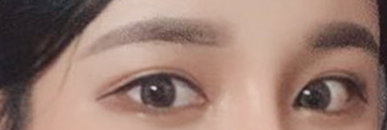
In-fold
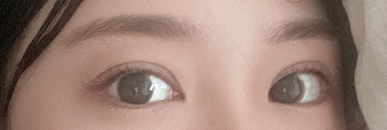
In-out fold
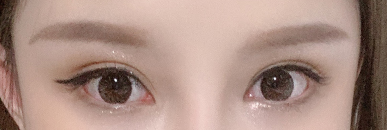
Out-fold


DI PLASTIC SURGERY
Why DI Natural-Adhesion Double-Eyelid Surgery?
- An in-fold, in-out fold, or out-fold is created according to eye condition and personal preference.
- The procedure encourages natural adhesion between skin and the underlying muscle.
- The tiny openings also allow the necessary amount of fat to be removed.
- Using the underlying mechanism of crease formation rather than artificial fixation lowers the chance of loosening.
- Limited tissue damage allows faster recovery.
DI PLASTIC SURGERY
Natural-Adhesion Double-Eyelid Surgery
Who may consider this procedure?
- People seeking naturally defined eyelid folds
- People concerned about an incisional procedure
- People seeking faster recovery from scarring and swelling
- People with thin skin and little fatty tissue
Beautifully DI!
DI Natural-Adhesion Technique
Eye shape, proportions, skin, and desired fold are considered in the design.
4–5 small access openings are made.
Through the openings, the skin and upper eyelid muscle are linked, encouraging tissue adhesion. Sutures connect the inner and outer eyelid to create the fold.
DI's natural-looking eyelid folds are complete!
DI PLASTIC SURGERY
Thick eyelids
Unable to have natural-adhesion eyelid surgery?

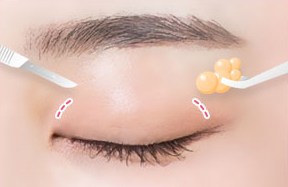
Minimal incision
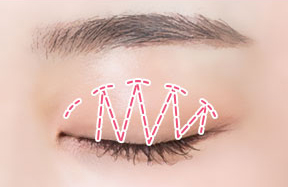
Natural adhesion
Even with thick eyelids or epicanthal folds, the front-incision adhesion method addresses these concerns!
Tissue that interferes with adhesion is removed to create a natural fold that resists loosening.

DI PLASTIC SURGERY
Surgery information
Front-incision adhesion
A minimal incision at the front of the eyelid fold removes tissue that interferes with adhesion. The natural-adhesion method then encourages attachment between the skin and eye-opening muscle to create a natural crease.
DI PLASTIC SURGERY
DI's Special Front-Incision Adhesion Method
What makes front-incision adhesion different?
A natural fold
At the front, where folds loosen easily, a small incision follows the canthoplasty line to remove tissue that interferes with adhesion. There is less concern about loosening, even with epicanthal folds or thick eyelids.
Your desired eye appearance
This method overcomes limitations of buried-suture surgery, using a minimal incision to design the desired fold height.
Less scarring, shorter surgery, faster recovery
A minimal incision combined with natural adhesion limits scarring and speeds recovery.
More open, defined eyes
Upper epicanthoplasty is performed together through an extension of the inner-eye incision, exposing the inner eye contour more fully for a larger, more open appearance.
DI Medical BEFORE & AFTER

DI Medical BEFORE & AFTER


Drag left or right to compare
MORE BEFORE & AFTER CASES
CASE 01
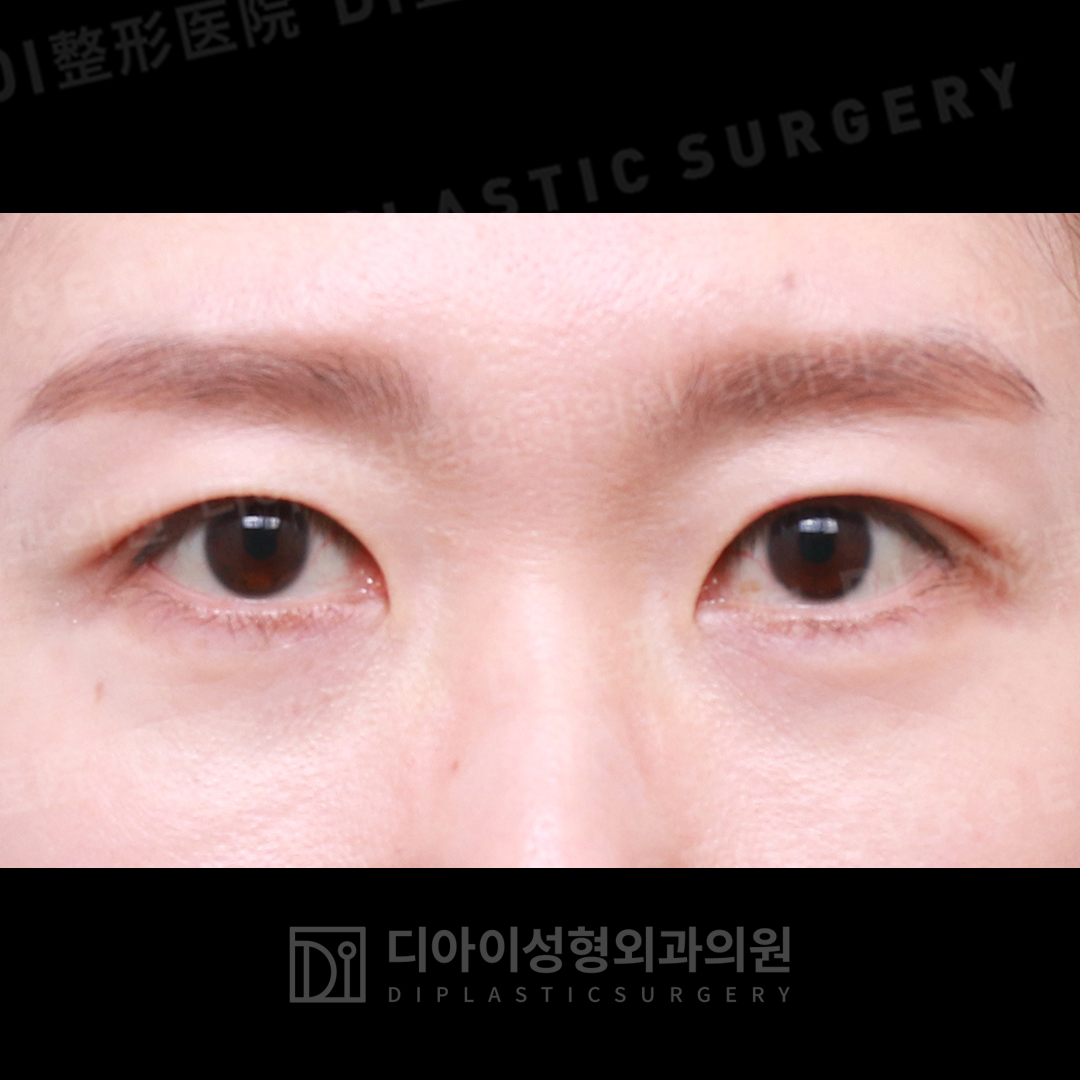
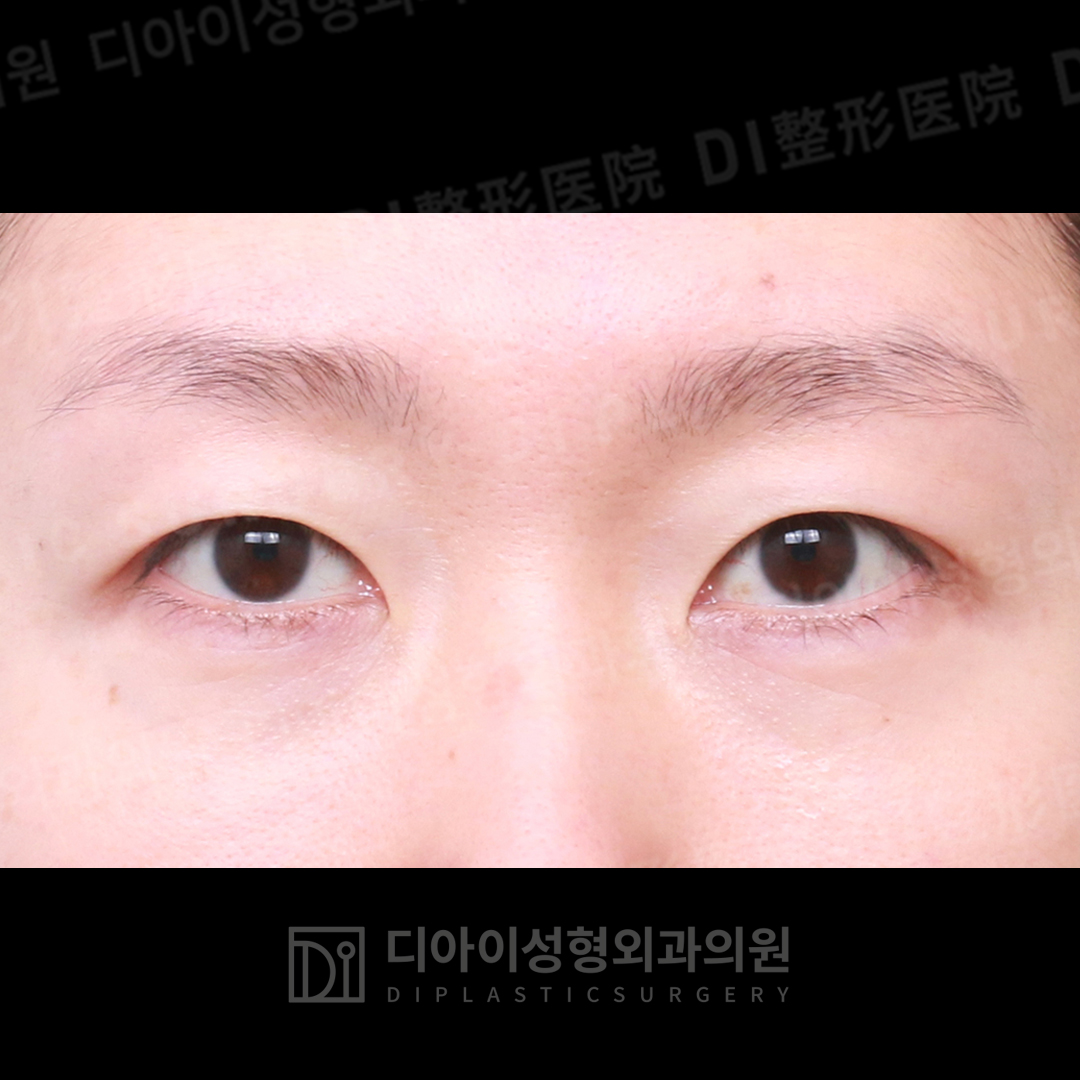
Drag left or right to compare
CASE 02
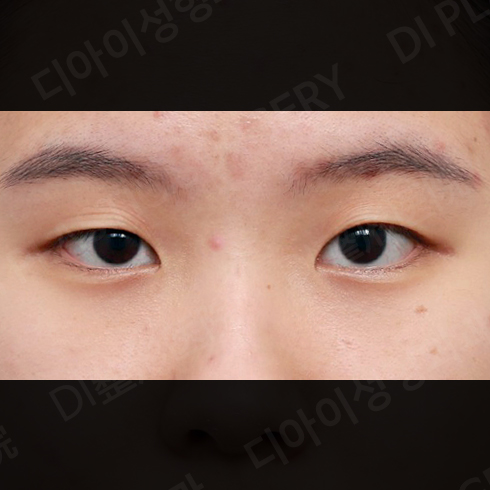
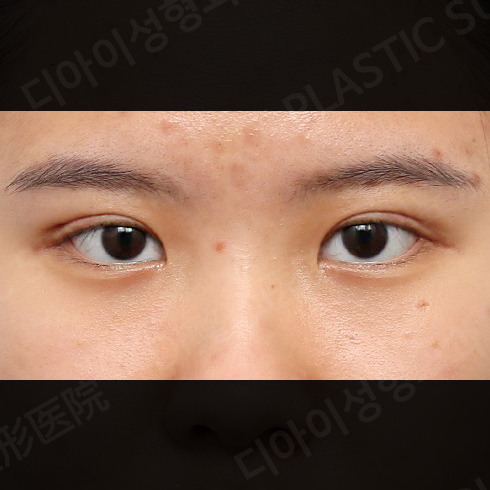
Drag left or right to compare
CASE 03
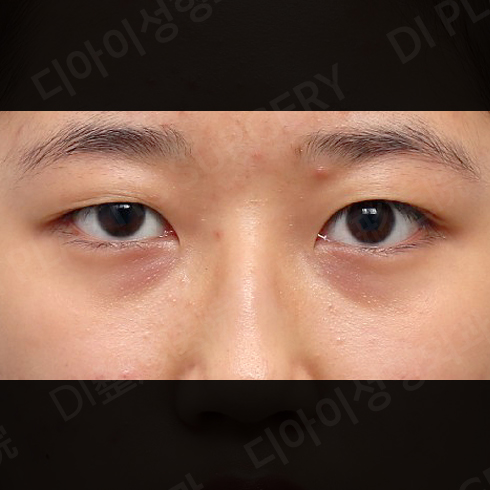
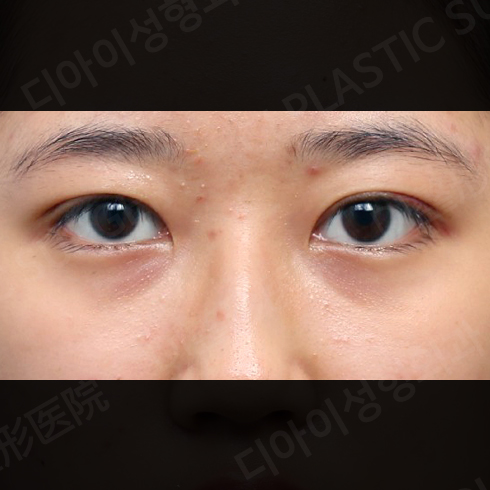
Drag left or right to compare
CASE 04
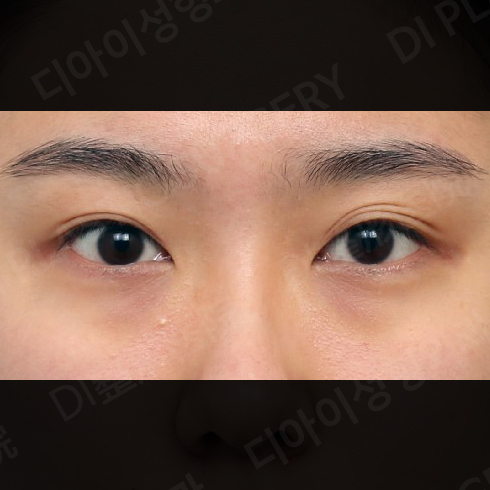
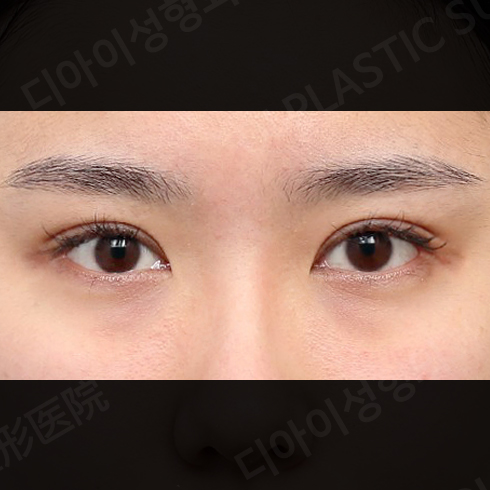
Drag left or right to compare
CASE 05
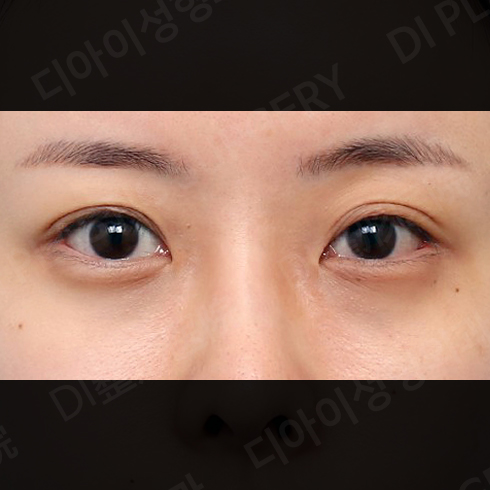
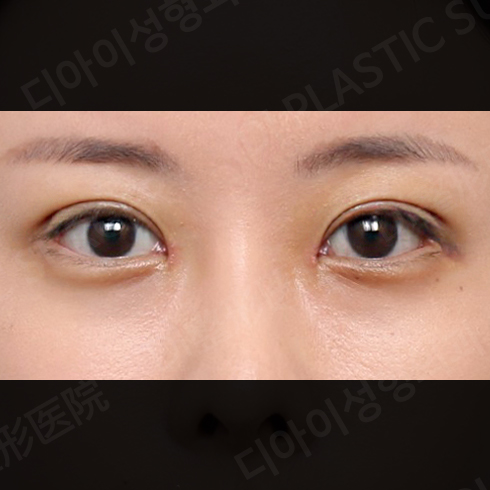
Drag left or right to compare
CASE 06
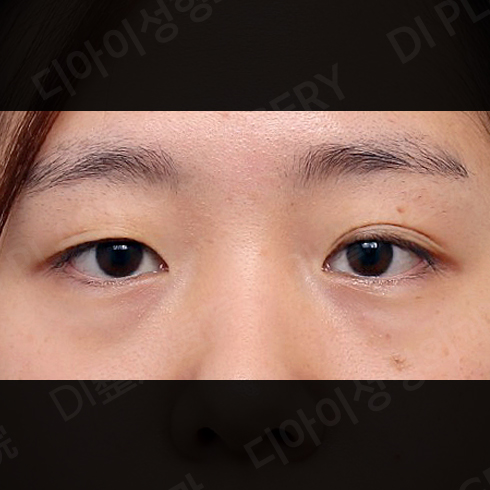
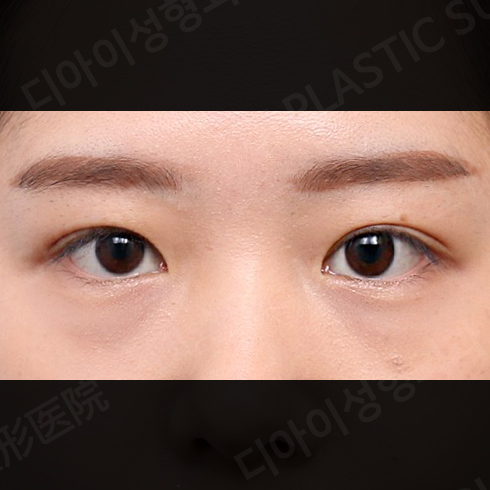
Drag left or right to compare
Individual results vary. Bleeding, infection, inflammation and other complications may occur after surgery.
Eye surgery aftercare
Follow your surgical team’s individual instructions. Recovery and follow-up schedules vary.
- 01
Washing
If you have stitches, keep the surgical area dry and clean until removal. On the day stitches are removed, wash gently with water only. Use soap from the following day.
- 02
Compresses
Use cold compresses for the first 3 days, then warm compresses from day 4. Cold helps reduce bleeding and swelling; warmth supports circulation and helps bruising and swelling subside.
- 03
Prescribed medication
Take the medication prescribed by the clinic. Apply a thin layer of the prescribed eye ointment to the stitch area with a cotton swab 2–3 times daily.
- 04
Eye drops, if prescribed
For procedures involving the inner lining of the lower eyelid, such as lower blepharoplasty, outer or lower canthoplasty, or under-eye fat repositioning, antibiotic eye drops may also be prescribed. Apply one drop 2–3 times daily before the eye ointment.
- 05
Activity
For about 1 week, avoid bending your head down, lifting heavy objects, or other activities that increase pressure in the face.
- 06
Contact lenses
Resume contact lenses approximately 2 weeks after surgery.
- 07
Makeup
Light makeup is possible after stitch removal. Wait at least 2 weeks before eyeliner, mascara, or other makeup that may irritate the eye area.
- 08
Alcohol & smoking
Avoid alcohol and smoking for 1 month. Avoid strenuous exercise and stress.