
What does “natural adhesion” mean at DI?
DI describes natural-adhesion double-eyelid surgery as an approach using small openings and fixation points to form an eyelid crease. It is one option among DI’s eye procedures, not a technique that suits every eyelid. Skin condition, eyelid thickness, existing folds, eyelid-opening function, prior surgery and your goals all matter. An online image cannot determine whether this method, an incisional approach, ptosis correction or no procedure is appropriate.
Start with the clinic’s procedure description, then use an in-person consultation to ask exactly which steps are proposed for you. Terms such as “natural” describe an intended appearance or method; they do not guarantee an invisible scar, symmetry or a particular result.
Questions to bring to the Seoul consultation
Explain what you would like to change and what you want to preserve. Bring a list of medicines and supplements, allergies, previous eye or facial procedures, contact-lens use and any dry-eye or vision symptoms. The American Society of Plastic Surgeons recommends discussing health history, goals, options, anesthesia, likely results and risks at an eyelid-surgery consultation.
Ask the surgeon to explain how a crease would be positioned, whether eyelid-opening function needs separate assessment, and why the proposed method is preferable to an incisional method in your case. If ptosis correction is recommended, ask what it would address, how that changes the procedure and what additional risks or follow-up it involves. A photograph of someone else’s eyes is a conversation aid, not a personalized plan.
Risks and recovery are individual
Even a procedure described as involving small openings is surgery. DI lists possible bruising, swelling, bleeding, infection, inflammation and pain. Professional and public-health guidance also notes possible asymmetry, dryness or trouble closing the eyes, scarring and rare serious vision problems after eyelid surgery. Your surgeon should explain which risks apply to the exact plan and what symptoms require urgent assessment.
The published procedure page mentions a typical recovery estimate, but that is not a promise that you can resume every activity, travel or leave Korea on a fixed day. Ask for written instructions on cleansing, medicines, activity, contact lenses, follow-up checks and how to reach the clinic after you return home. Do not change prescribed medicines based on this article.
How to plan a visit from abroad
Share your preferred language, medical history and tentative travel dates before booking. An online inquiry can help organize records and questions, but it cannot replace the examination that determines suitability, treatment plan or quotation. Reserve flexible accommodation near your follow-up visits and avoid locking in a return flight before the treating team confirms the schedule.
Before leaving Seoul, clarify who to contact if you experience increasing pain, bleeding, visual changes or another unexpected symptom. Ask for a summary of the procedure and aftercare to share with a local clinician if needed. Recovery and costs differ between people and may change if another procedure is recommended.
How to read DI’s case photographs
The original DI gallery includes case 430, labeled “Natural-adhesion double-eyelid surgery · Ptosis correction,” with an image marked one month after surgery. Both operations are part of that displayed case: it must not be interpreted as an example of natural-adhesion surgery alone. The paired photographs below are the unaltered gallery images, not AI-generated results.
One case cannot predict your appearance or healing. Differences in anatomy, combined treatment, lighting and follow-up timing limit comparisons. Discuss your own goals and options with a qualified clinician, and see the linked original gallery entry for its published labels.
Information that helps us prepare a useful reply
When contacting the clinic, tell us the procedure or concern you would like to discuss, your preferred language, whether you have had related treatment before and the dates you could visit Seoul. International patients may also wish to include their arrival and departure dates so the team can explain when an in-person consultation and follow-up may fit into the trip.
Please do not send passport numbers, payment information or complete medical records through an initial website inquiry. A coordinator can explain which health information or photographs are relevant and how they should be shared. Online guidance is preliminary; suitability, technique and the final treatment plan are determined only after an appropriate medical assessment.
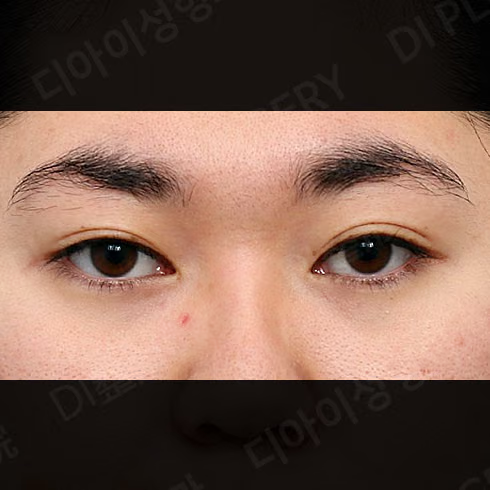 Before
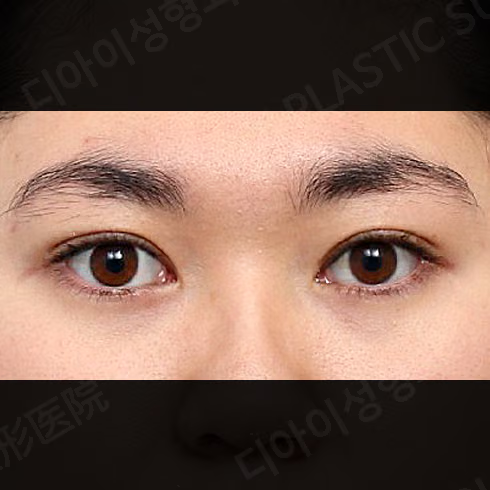 After
After