


DI PLASTIC SURGERY
DI Upper / Lower Blepharoplasty
What is upper blepharoplasty?
It addresses age-related drooping eyelids and hidden eyelid folds. Sagging upper-eyelid skin, excess fat, and tissue are removed, and weakened muscles are strengthened to address the underlying cause.
Surgery information
- Surgery duration
- 1 hour
- Anesthesia
- Sedation
- Hospital admission
- Not required
- Recovery period
- 1 week
- Suture removal
- Required
- Follow-up visits
- 1 visit
Complications may include bleeding, infection, inflammation, bruising, swelling, and pain. Satisfaction with surgery varies by individual.
DI PLASTIC SURGERY
For a first impression, the most important feature deserves careful consideration.
Natural-Looking Upper Blepharoplasty
Upper blepharoplasty at DI Plastic Surgery is tailored to each person's facial shape and pattern of eyelid sagging.
DI PLASTIC SURGERY
Features of DI Upper / Lower Blepharoplasty
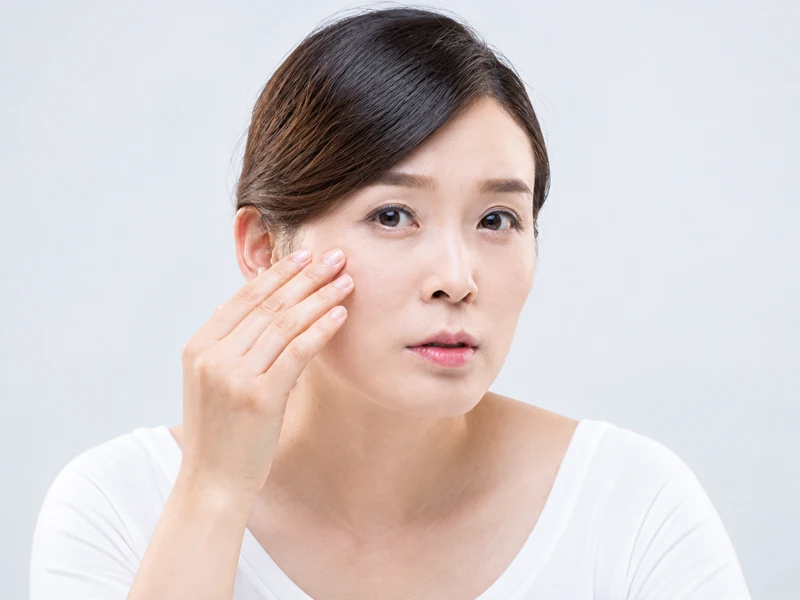
Improvement while preserving your expression
Natural improvement with little change to your overall expression
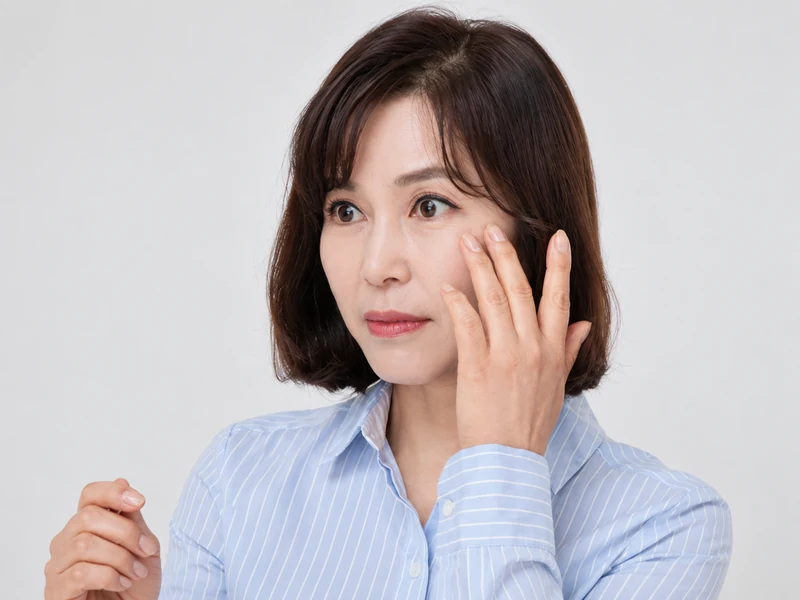
Correcting functional eye problems
Aesthetic and functional improvement for greater satisfaction
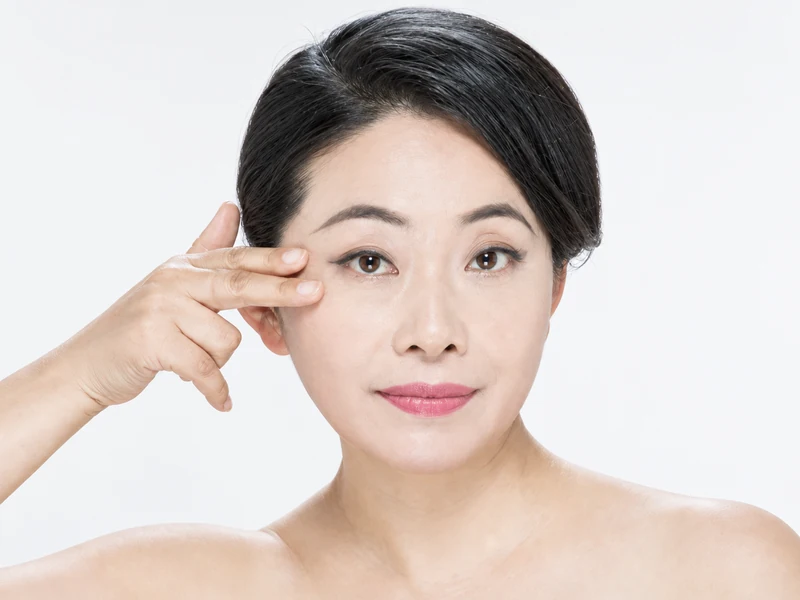
A more youthful appearance
Improving expression lines on the forehead and around the eyes, fine lines, and dark circles together


DI PLASTIC SURGERY
Upper Blepharoplasty
Who may consider this procedure?
- People with drooping outer eye corners due to skin aging
- People whose sagging eyelids obstruct their vision
- People with pain from eyelashes touching the eyes
- People with irritated skin around the eyes due to sagging eyelids
DI PLASTIC SURGERY
Beautifully DI!
DI Upper Blepharoplasty: Surgical Method
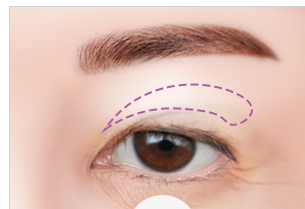
To suit the individual's eye shape, the preoperative design is created.
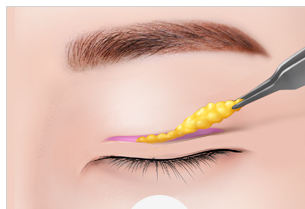
Sagging skin and unnecessary fat are removed.
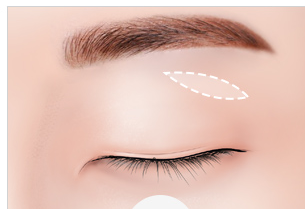
The stretched eyelid muscle is firmly secured to the conjunctiva.
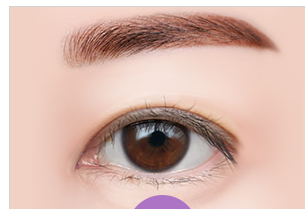
A natural, defined eye appearance is achieved.


DI PLASTIC SURGERY
Upper Blepharoplasty
Why consider DI?
- Excess skin is removed and the muscle is tightened and fixed to address the underlying cause of sagging.
- Skin excision is minimized to preserve each person's natural eye contour.
- Incision lines are individually designed according to sagging and eye shape.
- Individual facial form and characteristics guide surgery tailored to the eye shape.

DI PLASTIC SURGERY
What is lower blepharoplasty?
This procedure addresses age-related sagging skin and protruding under-eye fat together.
It is also performed in younger patients to restore under-eye fullness when filler has stretched the area and made fat pockets bulge. This can serve as an under-eye fullness restoration procedure.
DI carefully assesses age and under-eye condition, including bulging, skin sagging, tear-trough hollows, and shadowing, to provide an individualized solution.
Surgery information
- Surgery duration
- 1 hour
- Anesthesia
- Sedation
- Hospital admission
- Not usually required
- Recovery period
- 1 week
- Suture removal
- Required
- Follow-up visits
- 1 visit
Complications may include bleeding, infection, inflammation, bruising, swelling, and pain. Satisfaction with surgery varies by individual.
DI PLASTIC SURGERY
For a first impression, the most important feature deserves careful consideration.
Natural-Looking Lower Blepharoplasty
Lower blepharoplasty at DI Plastic Surgery is tailored to each person's facial form and under-eye shape.
DI PLASTIC SURGERY
Lower Blepharoplasty
Who may consider this procedure?
- People with under-eye wrinkles caused by sagging skin
- People with protruding under-eye fat
- People concerned about loose, sagging under-eye skin
- People whose under-eye fat makes dark circles look pronounced

DI LOWER BLEPHAROPLASTY: SURGICAL METHOD
Before surgery, the degree of sagging and the amount of skin to remove are assessed, then the design is created.
After an incision, loose under-eye skin is removed, along with unnecessary fat.
The skin is lifted, fixed to the periosteum, and sutured.
The procedure aims to create a smoother, natural-looking under-eye contour.
DI PLASTIC SURGERY
Lower Blepharoplasty
Why consider DI?
- Skin excision is minimized to preserve under-eye shape and dimension.
- Natural under-eye fullness is preserved to retain your smiling eye appearance.
- Incision lines are individually designed according to sagging and under-eye shape.
- Fine lines and dark circles are addressed together, beyond fat removal alone.
DI Medical BEFORE & AFTER

DI Medical BEFORE & AFTER


Drag left or right to compare
MORE BEFORE & AFTER CASES
CASE 01
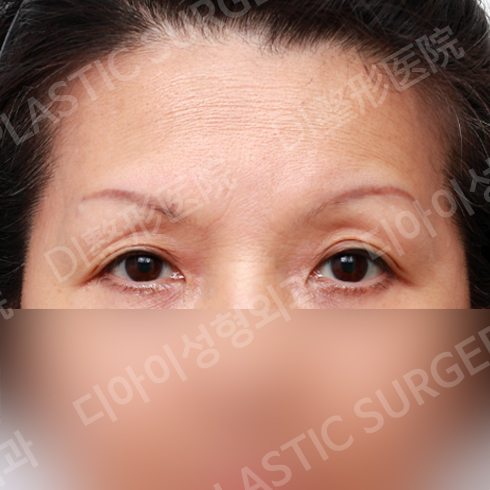
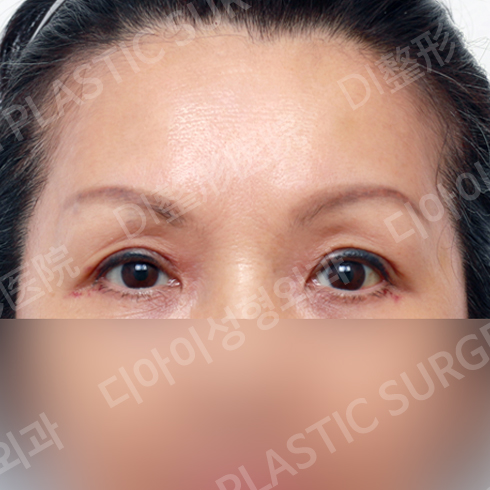
Drag left or right to compare
CASE 02
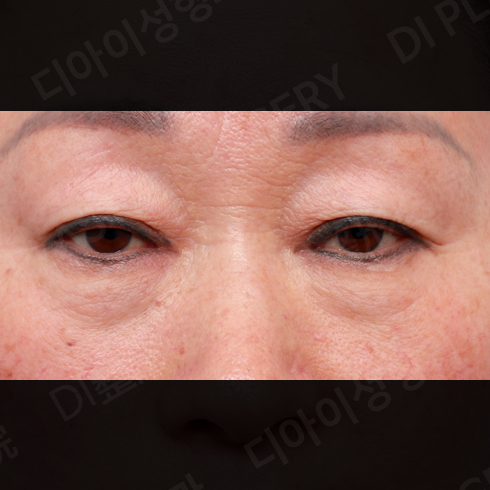
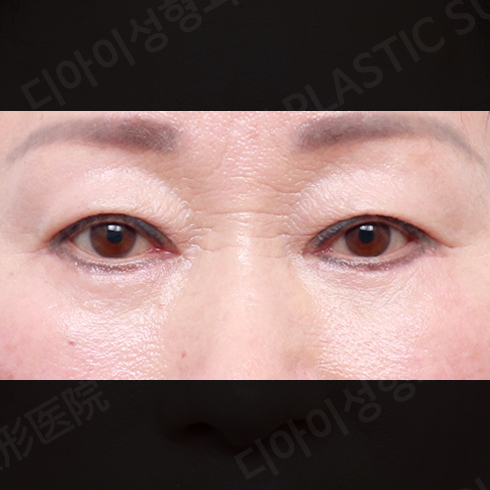
Drag left or right to compare
CASE 03
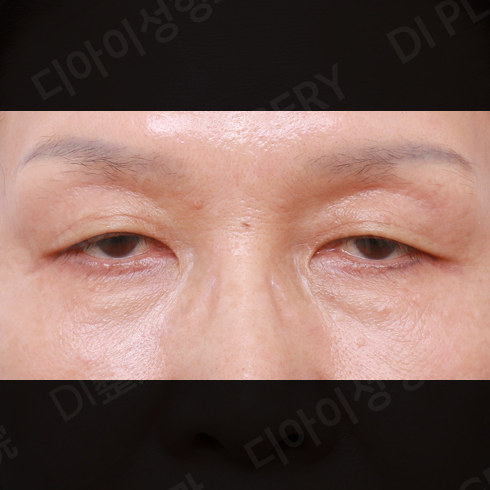
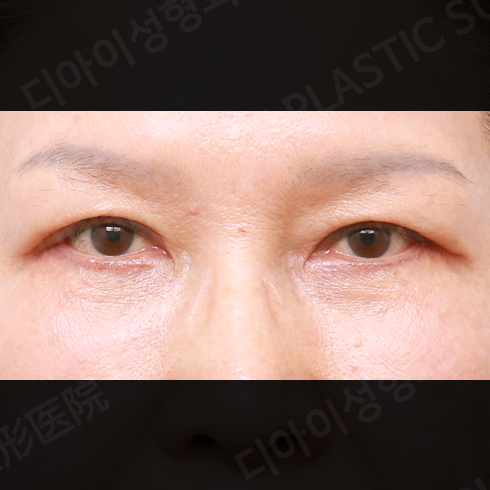
Drag left or right to compare
CASE 04
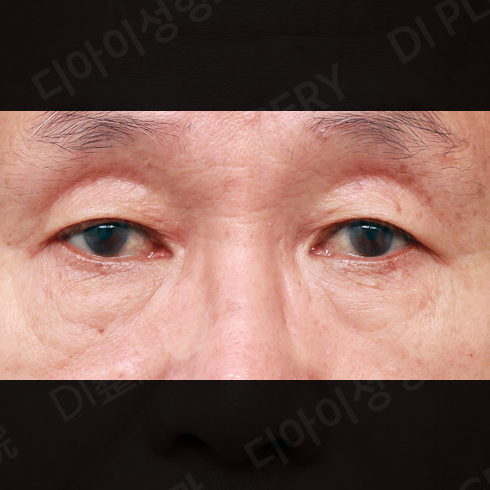
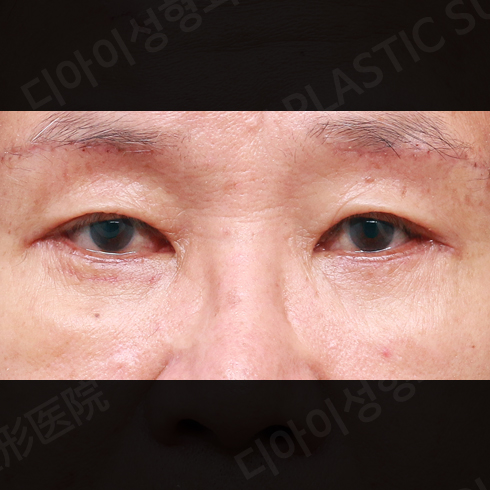
Drag left or right to compare
CASE 05
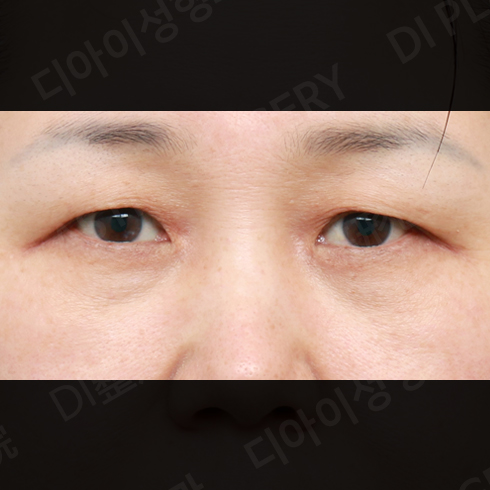
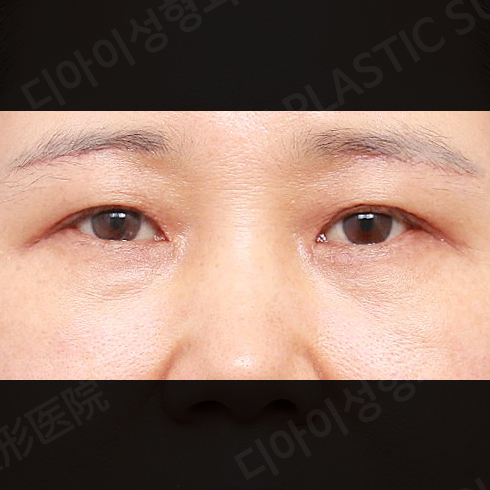
Drag left or right to compare
CASE 06
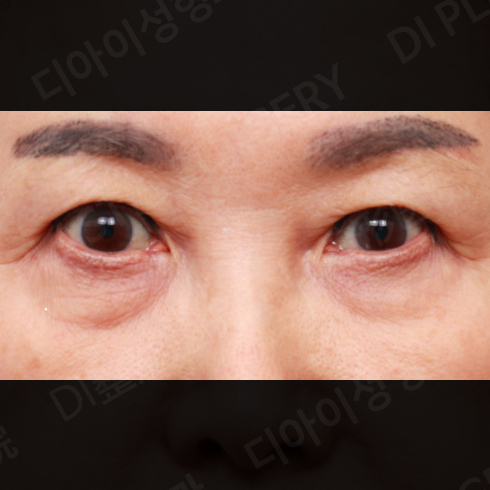
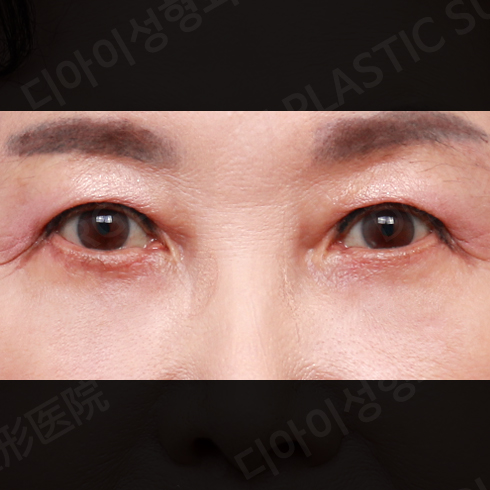
Drag left or right to compare
Individual results vary. Bleeding, infection, inflammation and other complications may occur after surgery.
Eye surgery aftercare
Follow your surgical team’s individual instructions. Recovery and follow-up schedules vary.
- 01
Washing
If you have stitches, keep the surgical area dry and clean until removal. On the day stitches are removed, wash gently with water only. Use soap from the following day.
- 02
Compresses
Use cold compresses for the first 3 days, then warm compresses from day 4. Cold helps reduce bleeding and swelling; warmth supports circulation and helps bruising and swelling subside.
- 03
Prescribed medication
Take the medication prescribed by the clinic. Apply a thin layer of the prescribed eye ointment to the stitch area with a cotton swab 2–3 times daily.
- 04
Eye drops, if prescribed
For procedures involving the inner lining of the lower eyelid, such as lower blepharoplasty, outer or lower canthoplasty, or under-eye fat repositioning, antibiotic eye drops may also be prescribed. Apply one drop 2–3 times daily before the eye ointment.
- 05
Activity
For about 1 week, avoid bending your head down, lifting heavy objects, or other activities that increase pressure in the face.
- 06
Contact lenses
Resume contact lenses approximately 2 weeks after surgery.
- 07
Makeup
Light makeup is possible after stitch removal. Wait at least 2 weeks before eyeliner, mascara, or other makeup that may irritate the eye area.
- 08
Alcohol & smoking
Avoid alcohol and smoking for 1 month. Avoid strenuous exercise and stress.