


DI PLASTIC SURGERY
DI Under-Eye Fat Repositioning
What is under-eye fat repositioning?
Through an incision inside the eyelid, without cutting the skin, protruding under-eye fat is repositioned to create a brighter, refreshed under-eye appearance.
Surgery information
- Surgery duration
- 45 minutes
- Anesthesia
- Local anesthesia / sedation
- Hospital admission
- Not usually required
- Recovery period
- 1 week
- Suture removal
- None
- Follow-up visits
- None
Complications may include bleeding, infection, inflammation, bruising, swelling, and pain. Satisfaction with surgery varies by individual.
DI PLASTIC SURGERY
Under-eye fat changes by age
In your 20s
An appropriate under-eye fullness is present, with bulging under-eye fat.
In your 30s
Under-eye fat protrudes, and tear troughs develop.
In your 40s
Under-eye fat begins to sag, and tear troughs deepen.
In your 50s
Under-eye fat sags more severely, tear troughs become deeper, and the under-eye area darkens.
Under-eye fat differs by individual and age, so a thorough assessment is essential.

DI UNDER-EYE FAT REPOSITIONING: SURGICAL METHOD
An individual consultation guides the preoperative design.
An incision is made in the conjunctiva on the inside of the lower eyelid to access the fat. Excess fat is removed as needed.
Fat is repositioned to smooth hollow areas beneath the eye.
The procedure aims to create a smoother, refreshed under-eye appearance.


DI PLASTIC SURGERY
Under-Eye Fat Repositioning
Who may consider this procedure?
- People with prominent dark circles
- People who look tired or have a dark under-eye area
- People whose under-eye fat makes them look older
- People with protruding under-eye fat and adjacent hollows
DI PLASTIC SURGERY
A key to preventing recurrence: reinforcing the orbital septum!
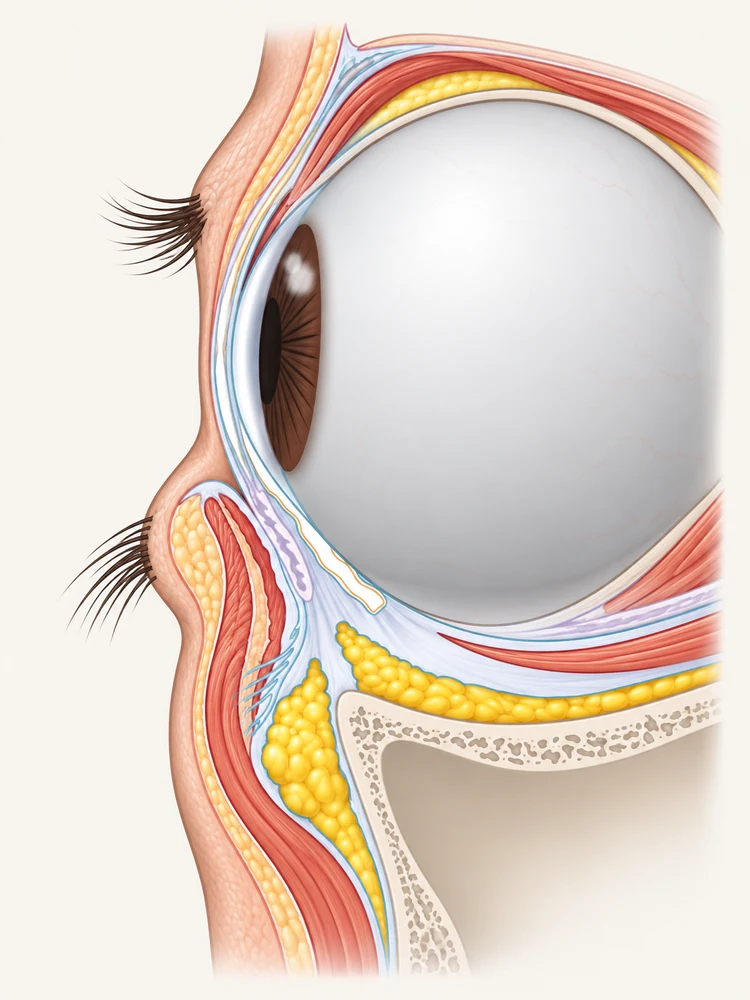
Under-eye fat
Under-eye fat bulges because aging weakens the orbital septum.
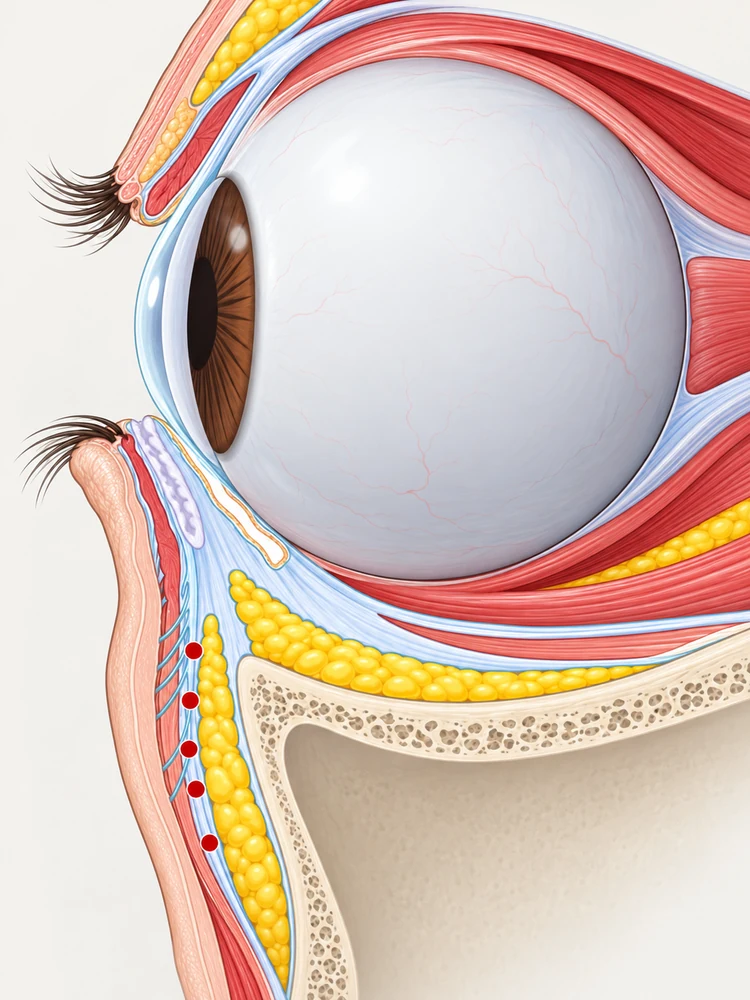
Orbital septum reinforcement
For this reason, reinforcing the orbital septum during surgery helps repositioned fat stay in place without recurrence, maintaining the surgical result over time.
Illustrative image for understanding.
DI PLASTIC SURGERY
Beautiful, because it is DI!
Will my natural under-eye fullness disappear?
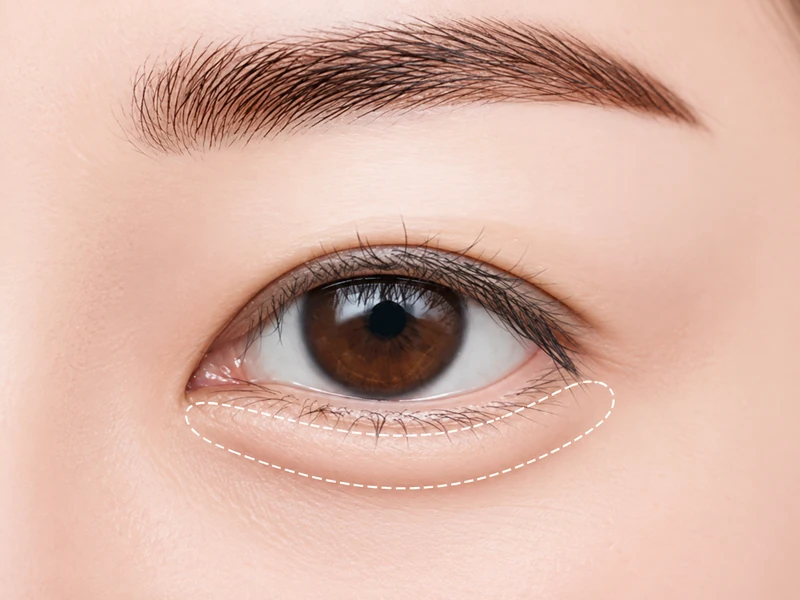
Natural under-eye fullness Under-eye fat
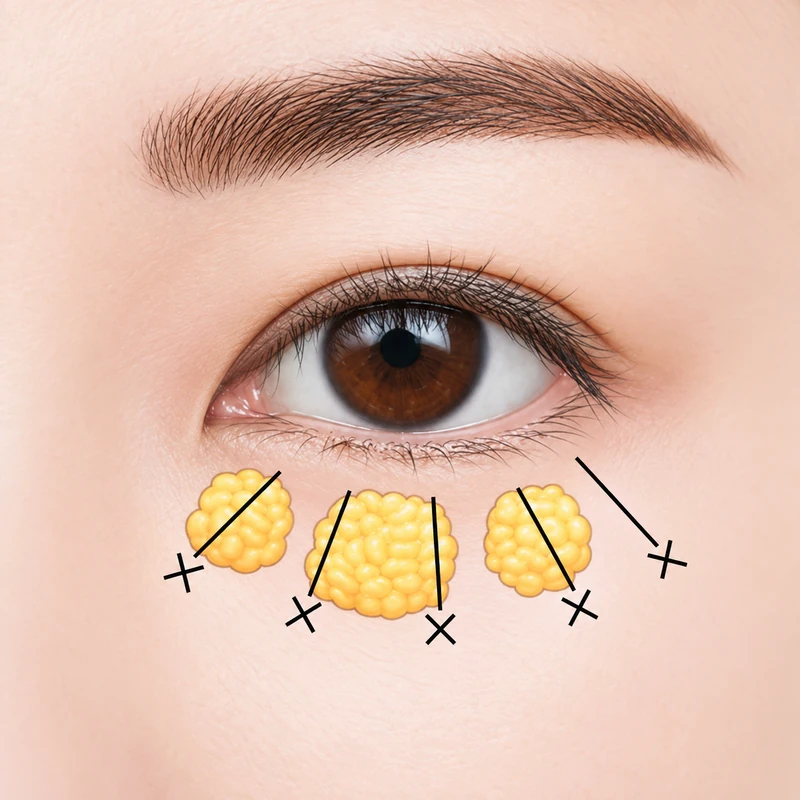
Fat repositioning
Under-eye fat lies below the natural fullness just beneath the lashes, so these are separate areas.
During DI Under-Eye Fat Repositioning, natural under-eye fullness is preserved while only the fat below it is evenly repositioned.
DI PLASTIC SURGERY
Features of DI Under-Eye Fat Repositioning

An inner-eyelid conjunctival incision minimizes scarring
The conjunctiva inside the eyelid is incised to minimize visible scars.
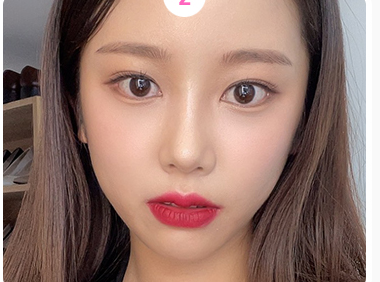
Brighter eyes through dark-circle improvement
Improving dark circles creates a brighter, more refreshed appearance.

Removing unnecessary under-eye fat
Excess fat contributing to dark circles is removed and repositioned.


DI PLASTIC SURGERY
Under-Eye Fat Repositioning
Why consider DI?
- Improving an uneven under-eye contour creates a more youthful appearance.
- Individual facial form and characteristics guide surgery tailored to eye shape.
- An experienced specialist performs individualized surgery.
- Detailed analysis helps minimize tissue damage.

DI PLASTIC SURGERY
Did you know upper-eyelid fat can also be repositioned?
Hollow upper eyelids have various causes.
Some people naturally have deep upper-eyelid hollows, while aging and gravity can shift orbital fat backward.
Repositioning upper-eyelid fat, rather than removing it, can address the cause.
DI PLASTIC SURGERY
Upper-Eyelid Fat Repositioning
Who may consider this procedure?
- People with naturally hollow upper eyelids
- People whose hollow eyes create a tired appearance
- People whose orbital fat has shifted backward with aging and gravity
- People with hollow eyelids following unsuccessful eye surgery
DI Medical BEFORE & AFTER

DI Medical BEFORE & AFTER


Drag left or right to compare
MORE BEFORE & AFTER CASES
CASE 01
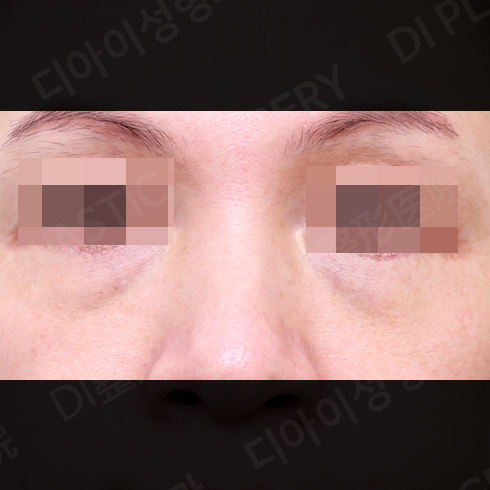
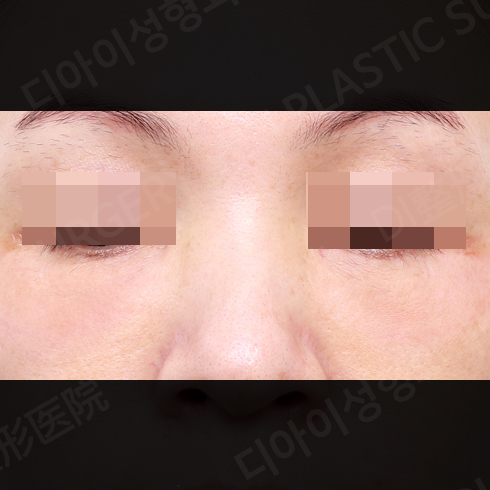
Drag left or right to compare
CASE 02
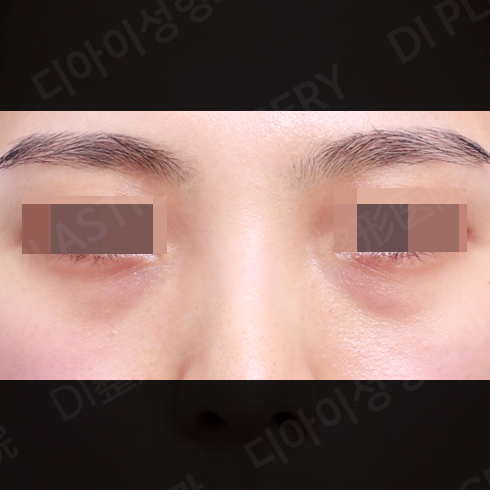
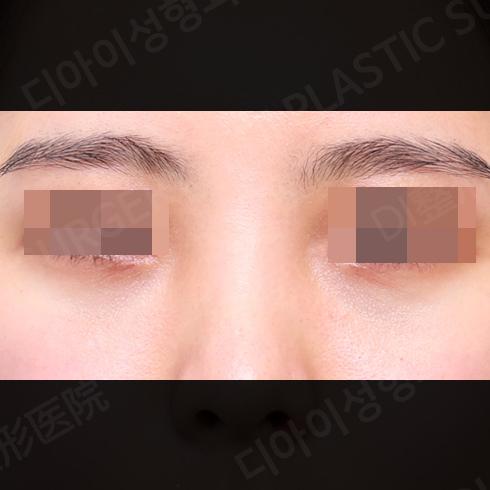
Drag left or right to compare
CASE 03
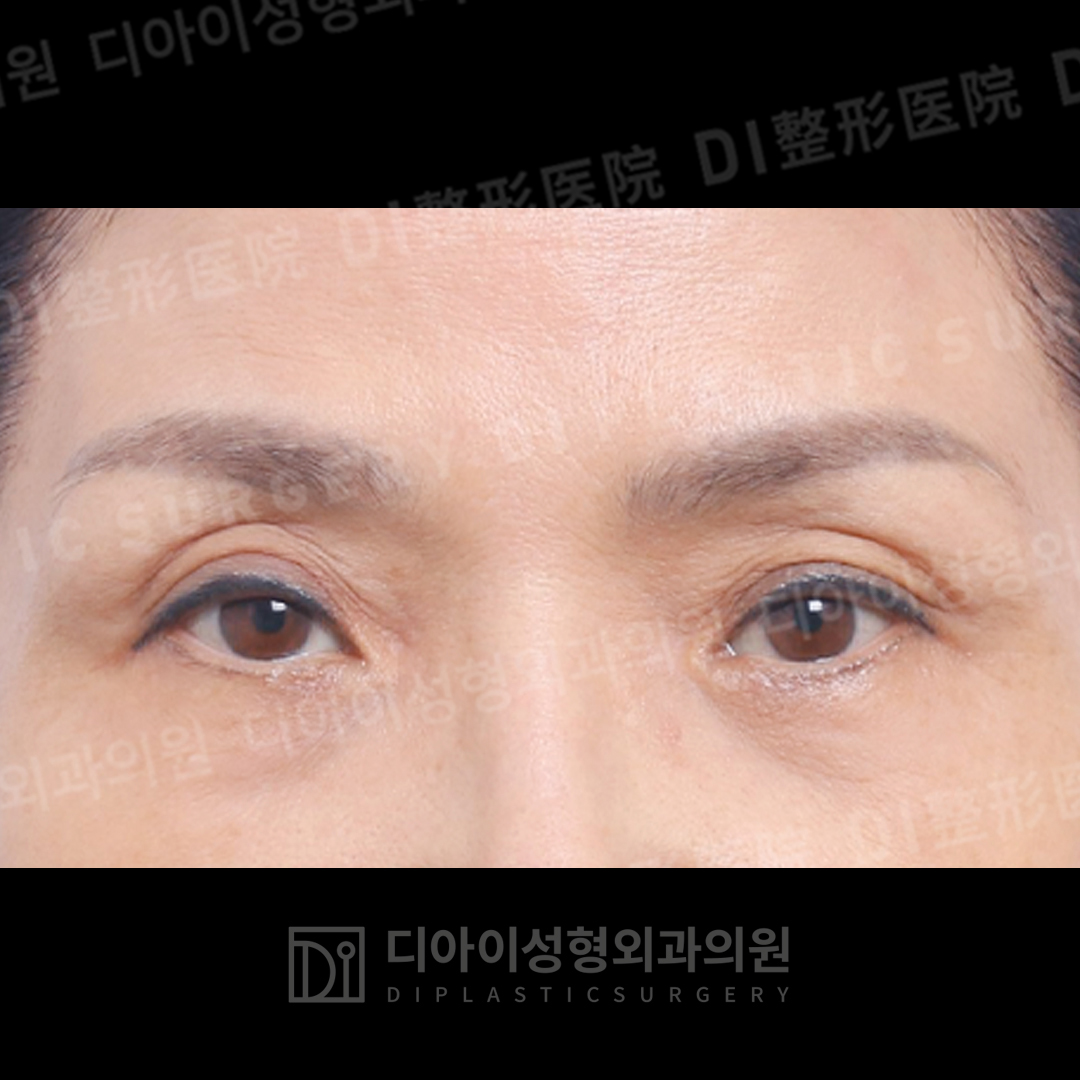
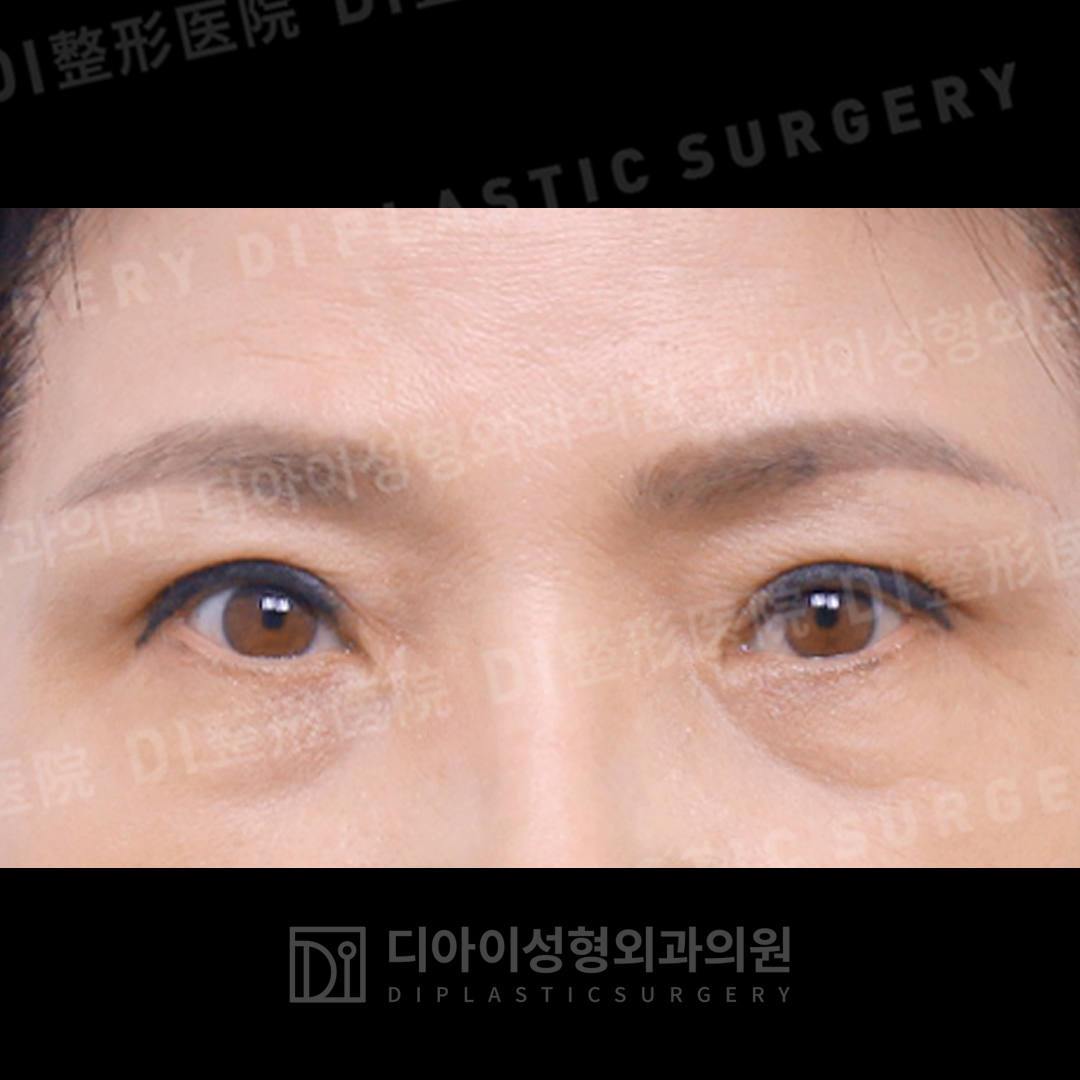
Drag left or right to compare
CASE 04
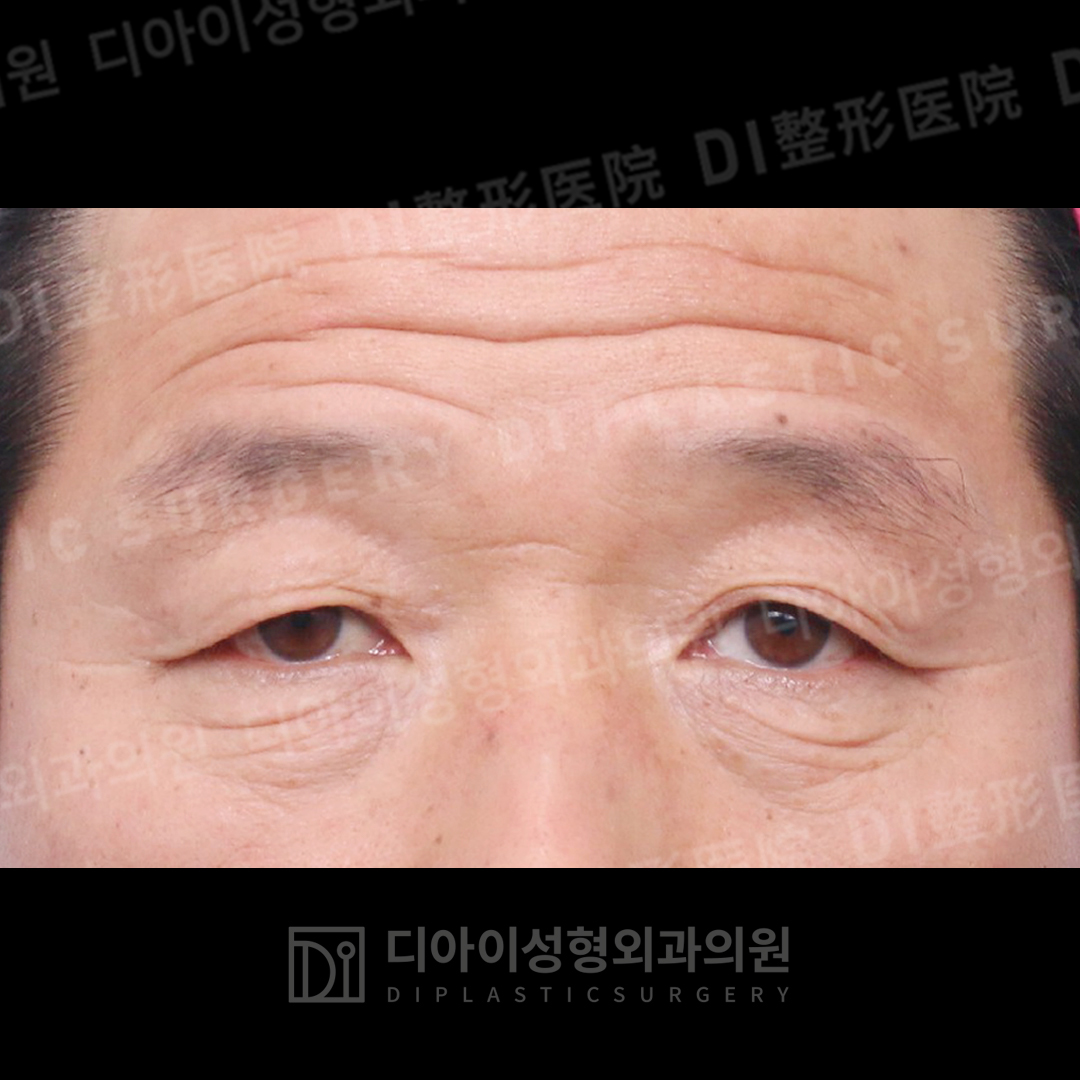
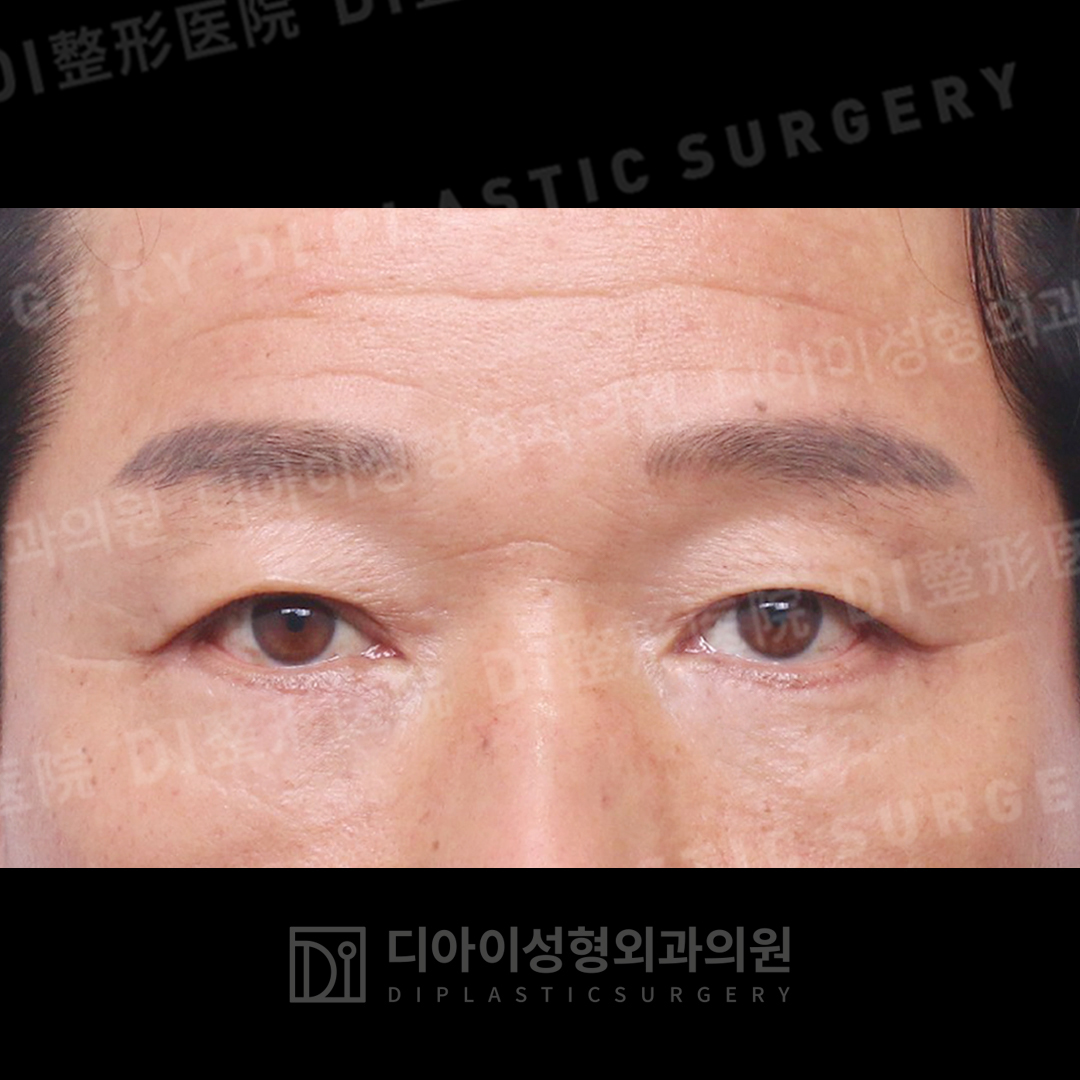
Drag left or right to compare
CASE 05
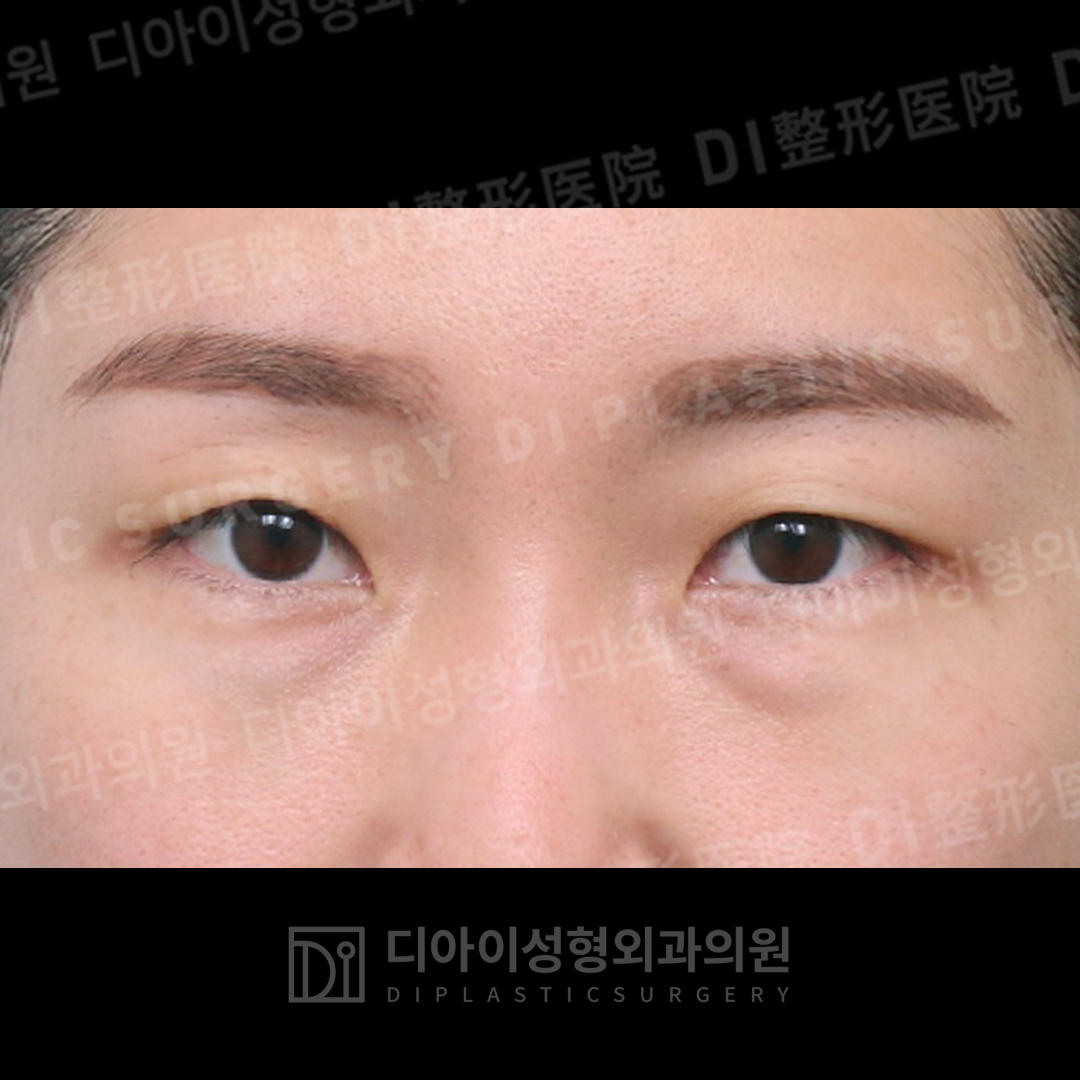
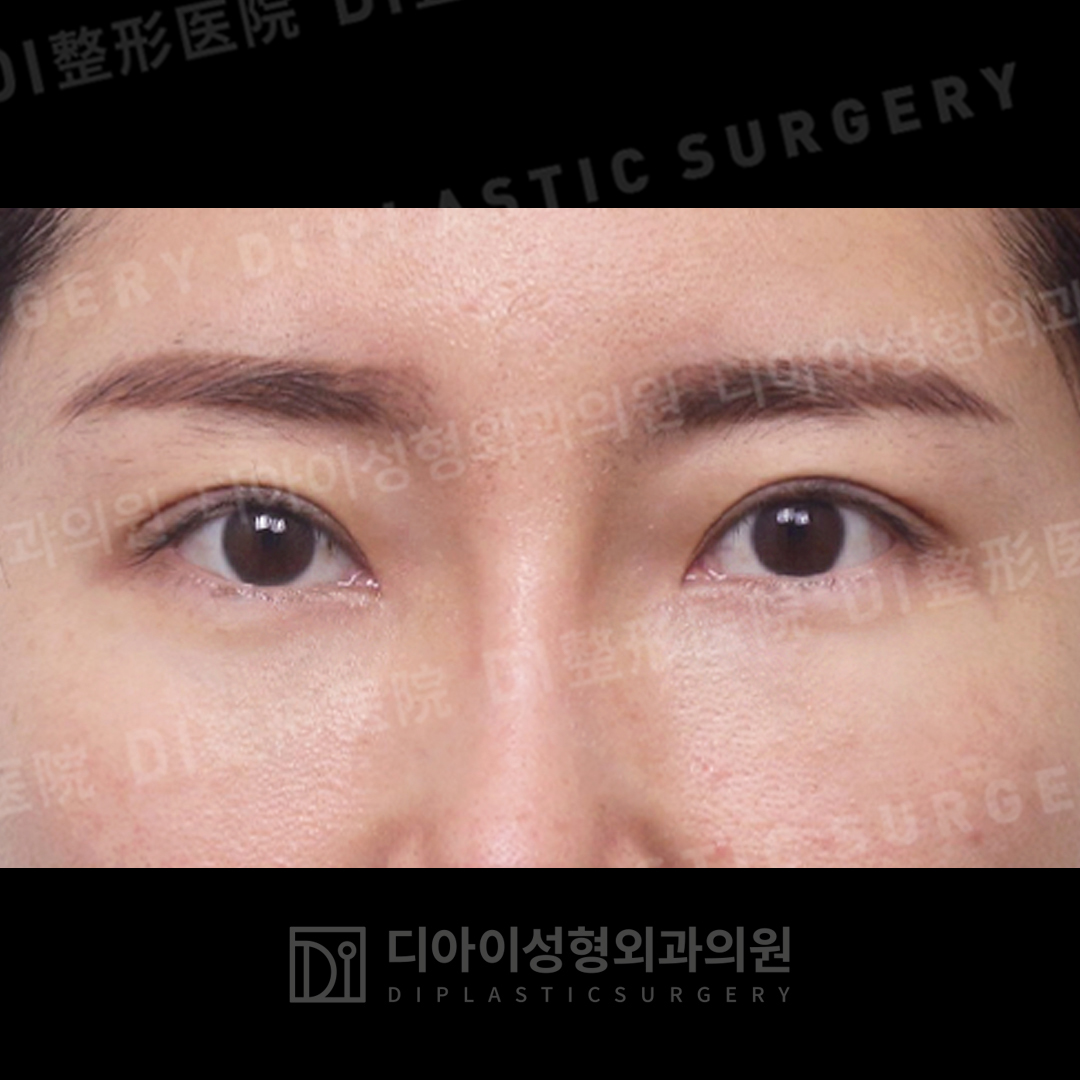
Drag left or right to compare
CASE 06
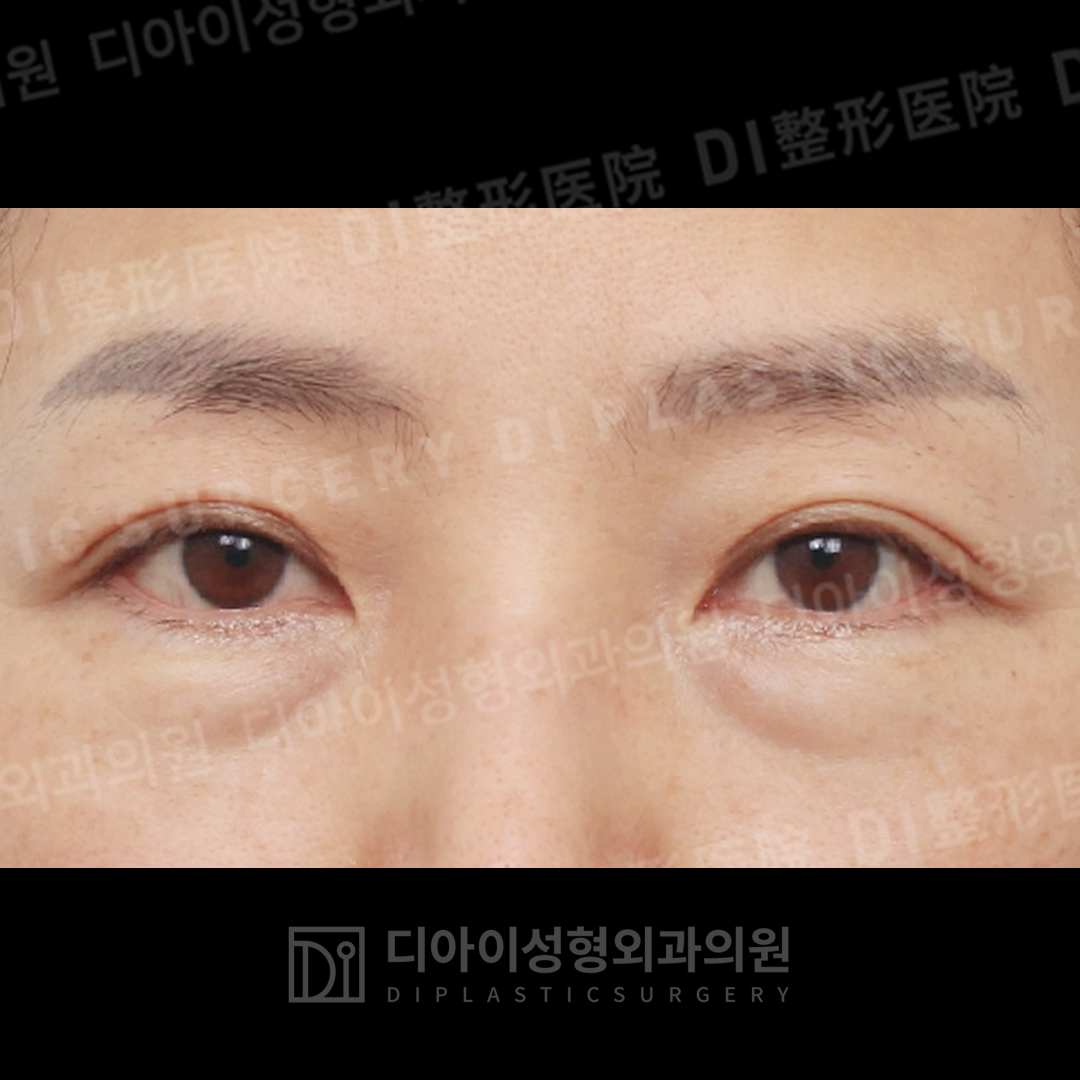
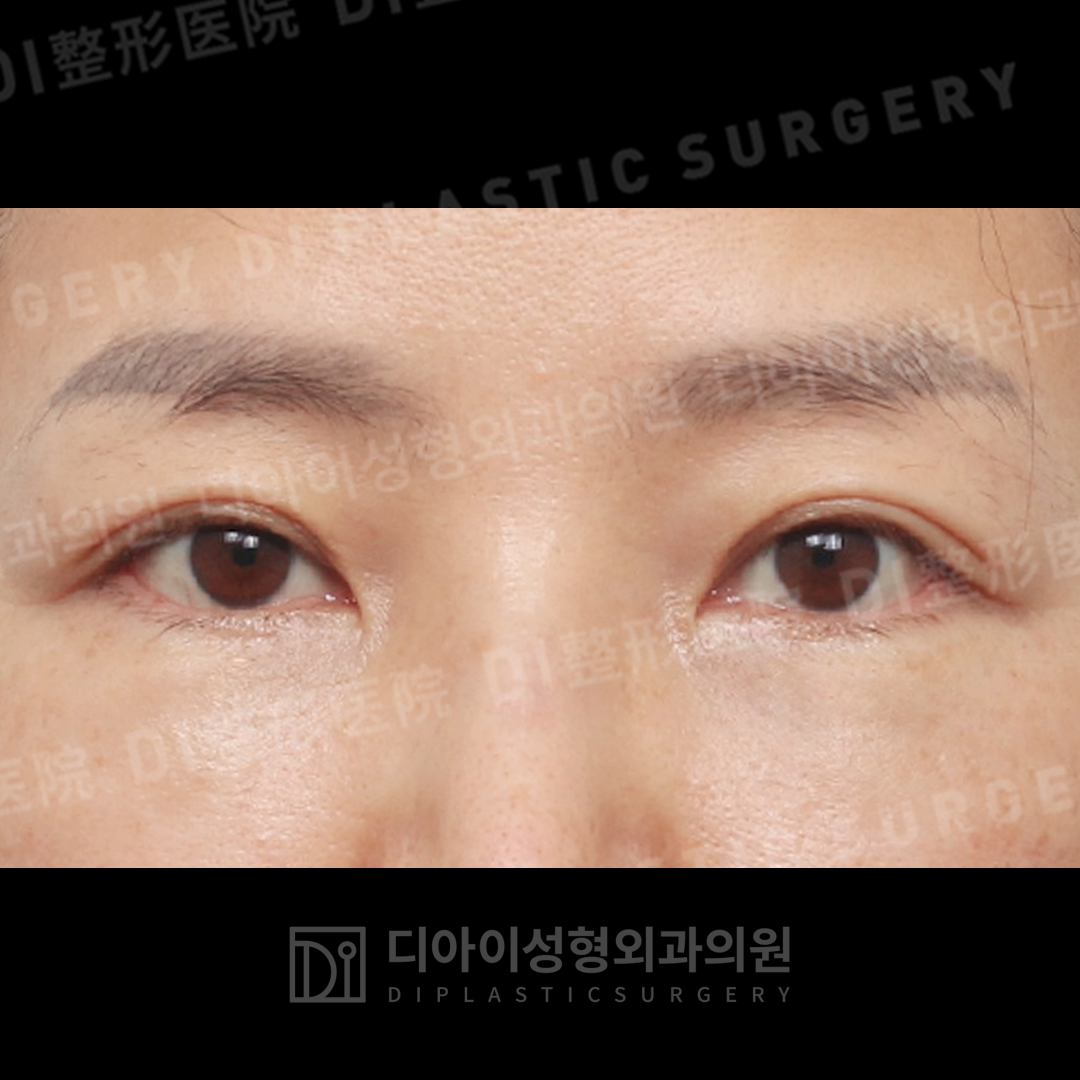
Drag left or right to compare
Individual results vary. Bleeding, infection, inflammation and other complications may occur after surgery.
Eye surgery aftercare
Follow your surgical team’s individual instructions. Recovery and follow-up schedules vary.
- 01
Washing
If you have stitches, keep the surgical area dry and clean until removal. On the day stitches are removed, wash gently with water only. Use soap from the following day.
- 02
Compresses
Use cold compresses for the first 3 days, then warm compresses from day 4. Cold helps reduce bleeding and swelling; warmth supports circulation and helps bruising and swelling subside.
- 03
Prescribed medication
Take the medication prescribed by the clinic. Apply a thin layer of the prescribed eye ointment to the stitch area with a cotton swab 2–3 times daily.
- 04
Eye drops, if prescribed
For procedures involving the inner lining of the lower eyelid, such as lower blepharoplasty, outer or lower canthoplasty, or under-eye fat repositioning, antibiotic eye drops may also be prescribed. Apply one drop 2–3 times daily before the eye ointment.
- 05
Activity
For about 1 week, avoid bending your head down, lifting heavy objects, or other activities that increase pressure in the face.
- 06
Contact lenses
Resume contact lenses approximately 2 weeks after surgery.
- 07
Makeup
Light makeup is possible after stitch removal. Wait at least 2 weeks before eyeliner, mascara, or other makeup that may irritate the eye area.
- 08
Alcohol & smoking
Avoid alcohol and smoking for 1 month. Avoid strenuous exercise and stress.