


DI PLASTIC SURGERY
DI Square-Jaw Reduction
#SlenderFacialContour #DISquareJawReduction
Only at DI
What is square-jaw reduction?
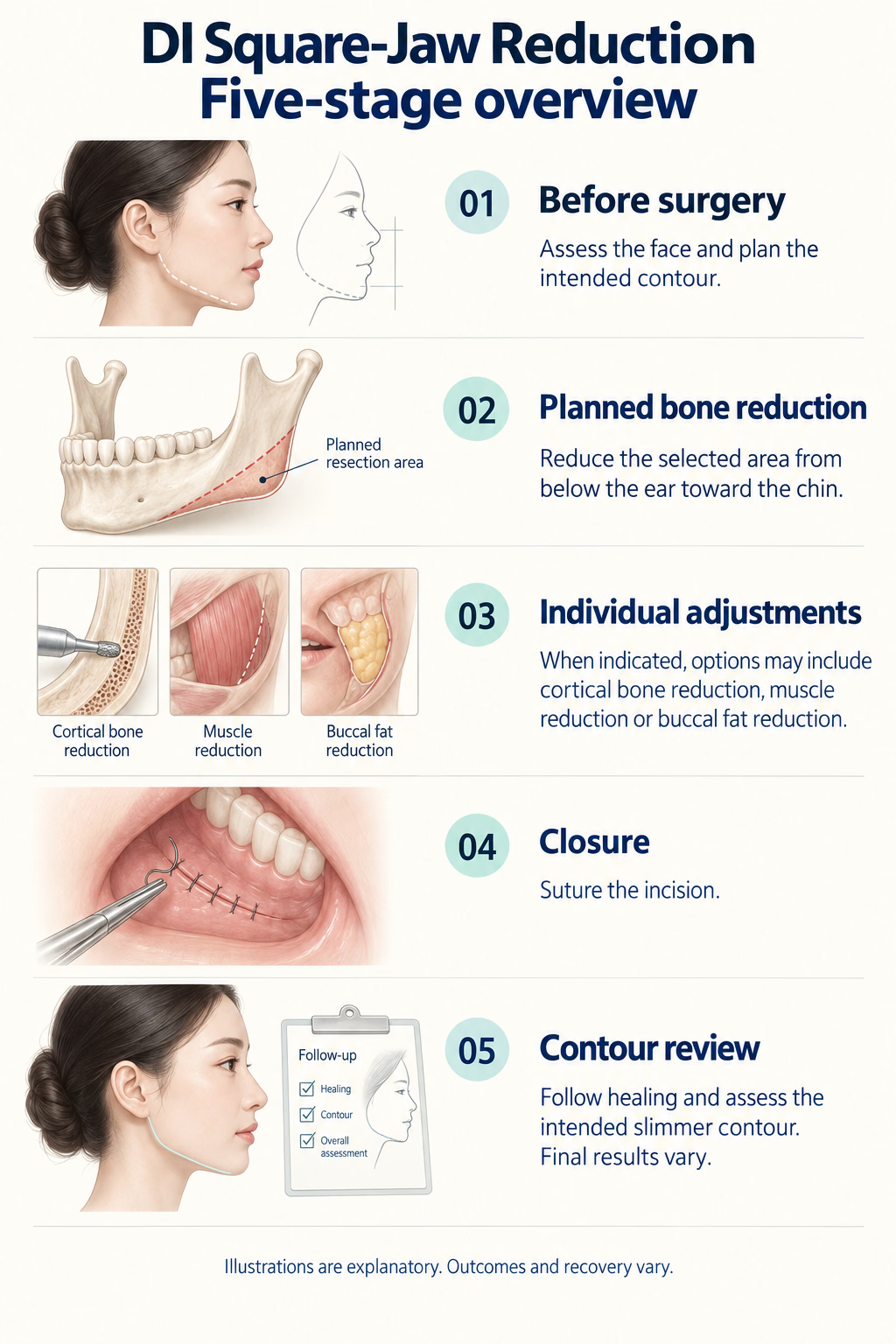
Jawbone is reduced from the angle below the ear toward the chin to create a slimmer contour.
The slimming effect is particularly noticeable from the side.
Surgery information
- Surgery duration
- 1 hour 30 minutes
- Anesthesia
- General anesthesia
- Hospital admission
- Not usually required
- Recovery period
- 1–2 weeks
- Suture removal
- Required
- Follow-up visits
- 2–3 visits
Complications may include bleeding, infection, inflammation, bruising, swelling, and pain. Satisfaction with surgery varies by individual.

DI PLASTIC SURGERY
Is square-jaw correction complete with bone reduction alone?
Both jawbone and muscle correction are essential!
Correcting both bone and muscle is essential to improve a square jaw. A broad, angular jaw from the front often involves developed muscle as well as bone. For this pattern, bone reduction and muscle correction together provide effective improvement.
Square jaw
DI PLASTIC SURGERY
DI Plastic Surgery's
Distinctive Square-Jaw Techniques
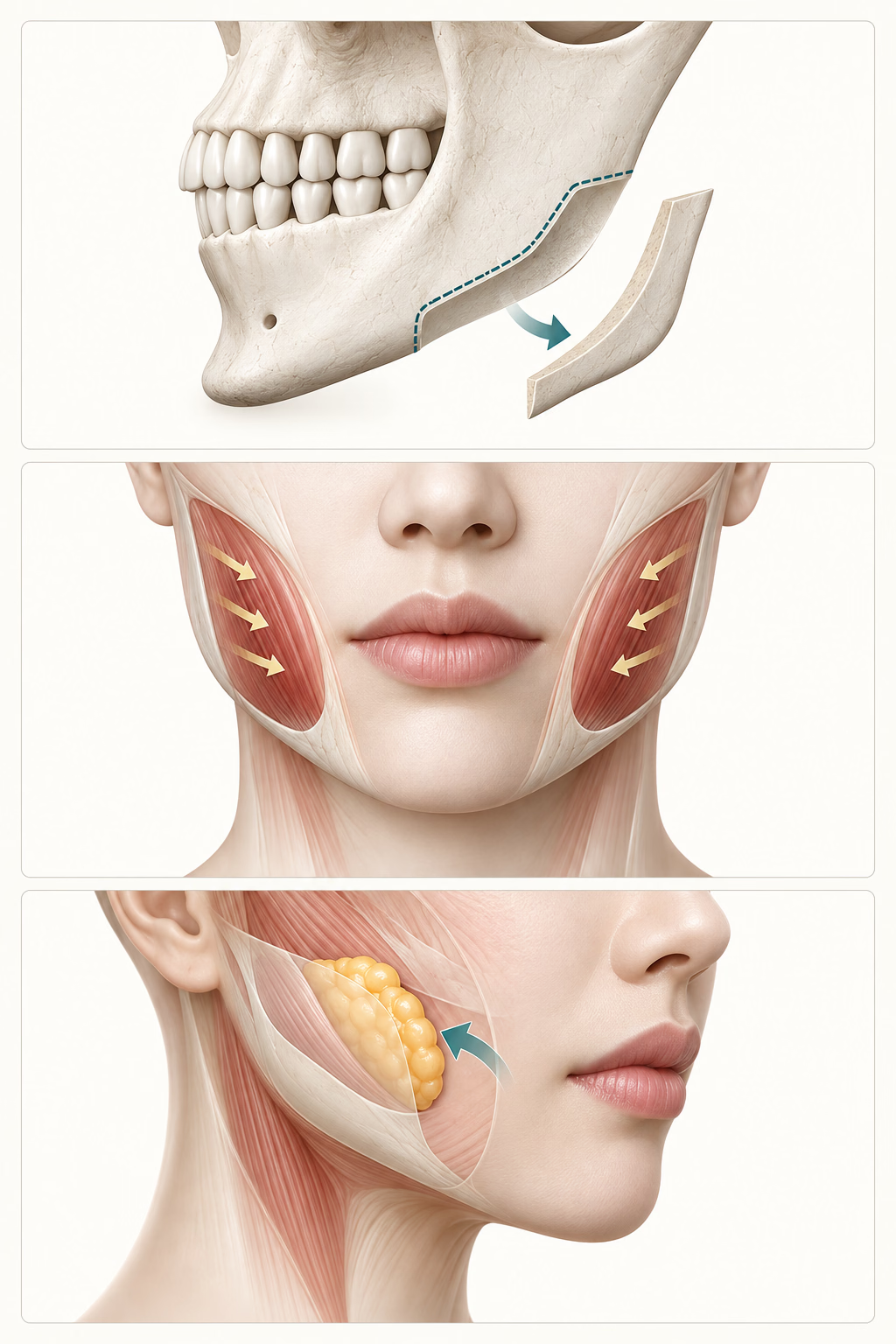
Cortical bone reduction
Cortical bone reduction thins the outer jawbone closest to the skin. Reducing jawbone thickness narrows the face for greater frontal improvement.
Muscle reduction
The inner portion of the masseter chewing muscle is reduced, decreasing overall muscle thickness. Combined with cortical bone reduction, this improves the frontal contour.
Buccal Fat Reduction
For excess cheek fullness, cheek fat is removed to improve the frontal appearance.

DI PLASTIC SURGERY
Square-Jaw Reduction
Who may consider this procedure?
People with a flat lower jaw contour
People with a long or asymmetric jaw
People whose face looks large and angular
People whose thick bone makes the lower jaw look wide
DI PLASTIC SURGERY
Square-Jaw Surgery
Why consider DI?
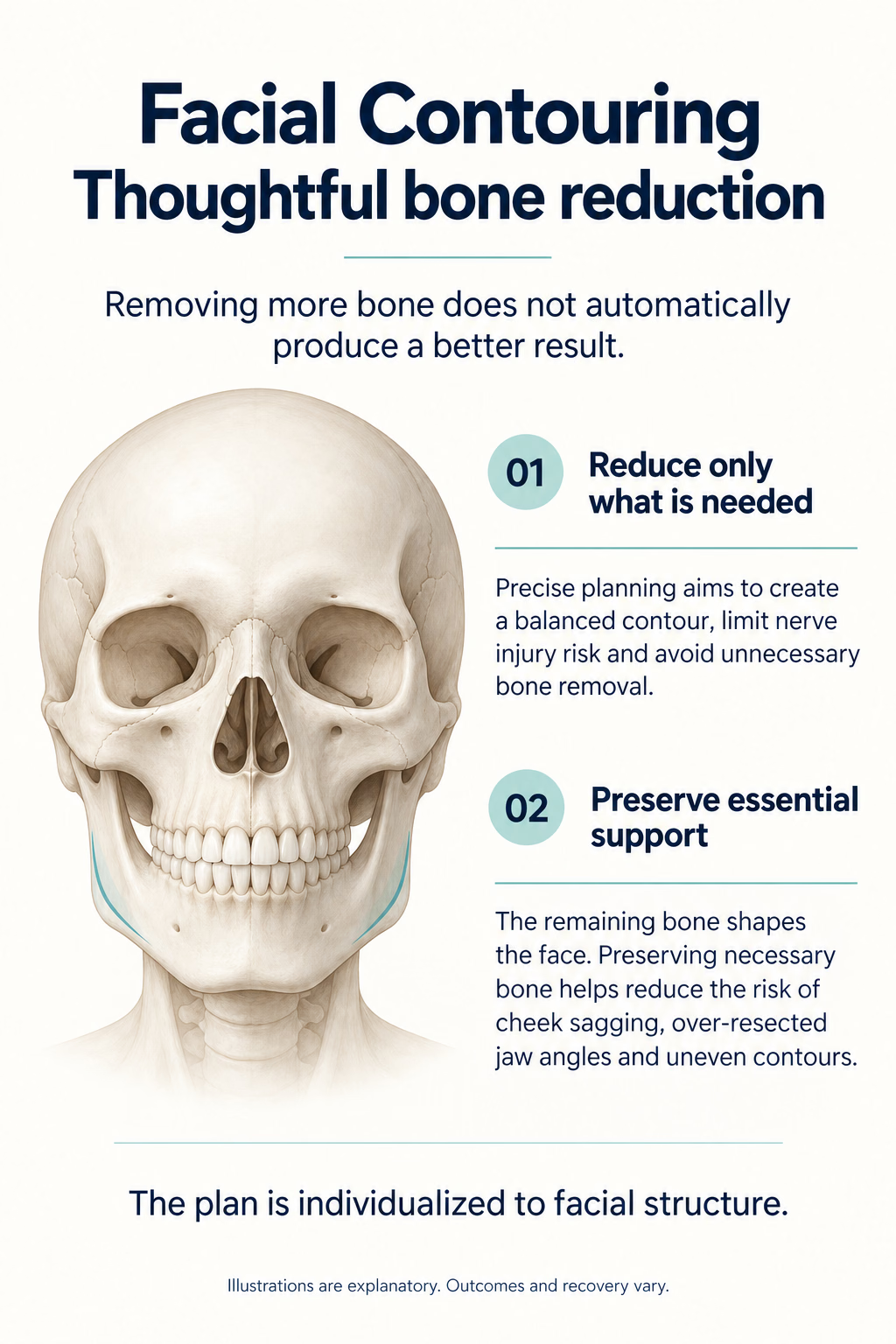
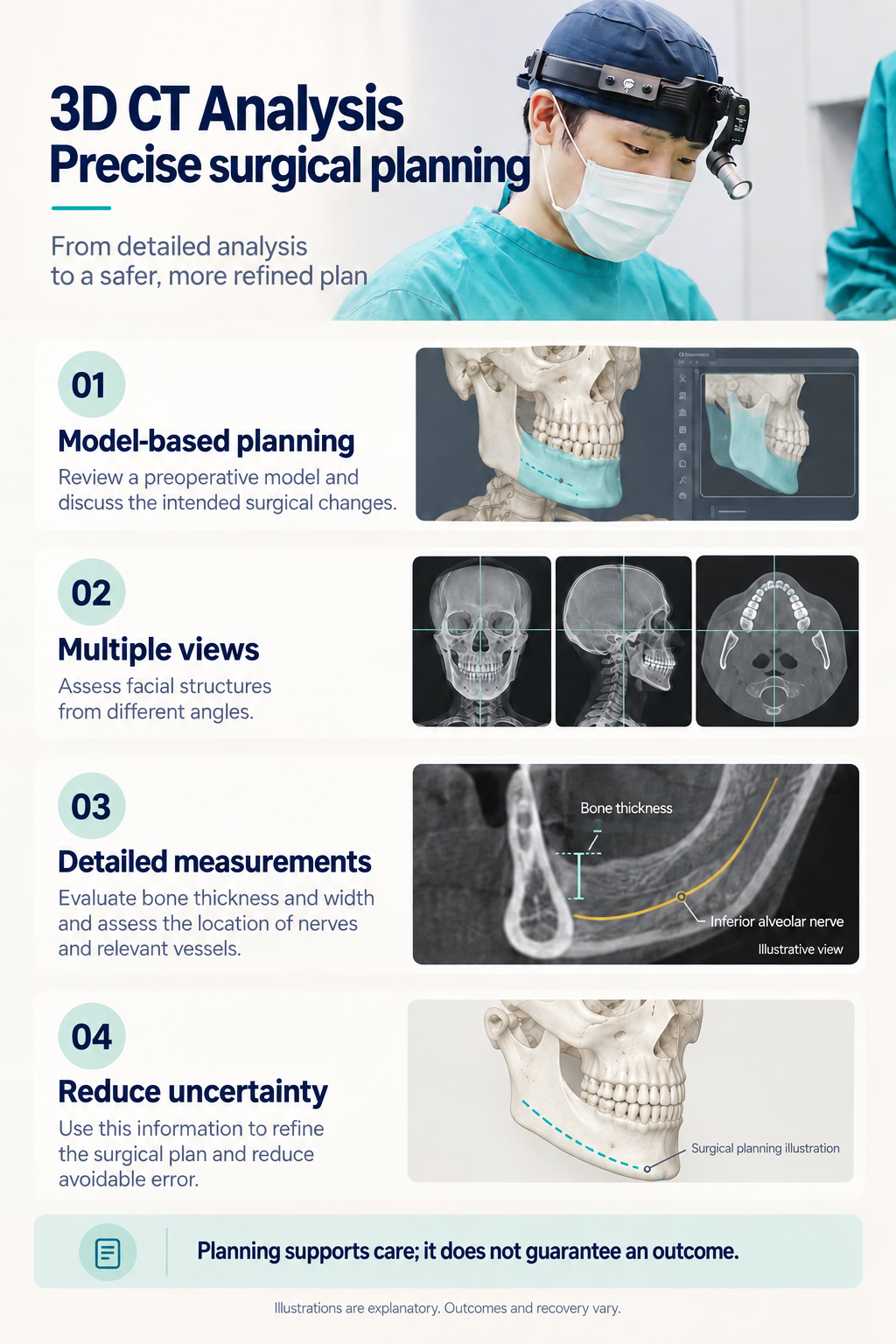
Facial form and individual characteristics guide Customized surgery is performed.
3D CT analyzes facial-bone structure and shape, muscle layers, soft-tissue distribution, and nerve pathways in detail.
Dedicated one-to-one anesthesiologist care with safety overseen throughout the surgical process.
Clinicians with years of surgical experience and expertise perform the procedure with attention to safety.
Precautions After Facial Contouring Surgery
Follow your surgical team’s individual instructions. Recovery and follow-up schedules vary.
- 01
Washing with tape or drains
Until facial tape and drains are removed, wash only unaffected parts of your face, even if inconvenient.
- 02
Changes in sensation
Pain, itching, altered sensation, or numbness may occur near the surgical area. These symptoms gradually improve within 6 months; recovery speed varies.
- 03
Swelling and compresses
Swelling increases for 3–5 days after surgery. Cold compresses help during this period. Begin warm compresses after 3 days.
- 04
Protect your face from impact
Avoid impact for one month. After cheekbone surgery, do not press on or strike the cheekbones.
- 05
Diet and mouth care
Have a liquid diet for 1–2 days; a normal diet is possible after 3–4 days. Food debris can collect around sutures inside the mouth, allowing bacteria to grow. Dilute 15 mL of Hexamedine gargle with an equal amount of water. Rinse gently for 30 seconds to 1 minute, then spit out.
- 06
Toothbrushing
Resume toothbrushing after 2 weeks. Use a child's toothbrush if opening your mouth is difficult.
- 07
Walking and exercise
Light walking during the first month helps swelling subside. From 2 months, exercise is allowed except activities that could injure the jaw.