
DI PLASTIC SURGERY · SEOUL
Cheekbone Reduction
Explore cheekbone reduction at DI Plastic Surgery in Seoul, including facial proportion assessment, surgical planning and postoperative care.
Medically reviewed by: JUNG YUN IKReviewed on: Content updated:

01
Overview
What is cheekbone reduction?
Protruding cheekbones are cut and rotated to reduce their prominence.
Frontal improvement is maximized, and firm fixation helps reduce depression and cheek sagging.
Surgery at a glance
- Surgery duration
- Within 60 minutes
- Anesthesia
- Sedation / general anesthesia
- Hospital admission
- Not usually required
- Initial recovery
- 1–2 weeks
- Suture removal
- None
- Follow-up visits
- 1 visit
Published procedure information is a guide. Your surgeon confirms the method, anesthesia, recovery and follow-up for your individual plan.
DI PROCEDURE GUIDE
Anatomy & planning
A simplified illustration for understanding the area discussed. It shows anatomy in broad terms and is not a surgical placement guide or a prediction of results.

- 01
- Cheekbone area
- 02
- Lower jaw area
01
Lateral and 45-degree cheekbones
Performed with facial balance in mind!
Protruding cheekbones are cut and rotated to effectively reduce prominence. Frontal improvement and firm fixation help reduce cheekbone depression and cheek sagging. Facial bones, muscle, fat, and other soft tissues are assessed alongside overall balance to create the desired contour.
02
DI Cheekbone Surgery: Firm Fixation!
If the cut bone segments are not properly fixed, nonunion can cause cheek sagging or hollowing. Precise fixation without gaps between the cut cheekbone surfaces is therefore important.
Surgical results vary according to individual circumstances.
Firm fixation
Moving the lateral cheekbone inward creates a softer facial contour
and fixing it precisely after partial osteotomy and helps prevent cheek sagging
03
DI Cheekbone Reduction: Surgical Method
Through an incision inside the mouth, part of the anterior cheekbone is cut.
The cut bone segment is removed.
The separated cheekbone is rotated inward and appropriately repositioned.
The bone segments are firmly secured with fixation pins to complete the procedure.
04
DI Cheekbone Reduction Techniques
| Category | Conventional Quick Cheekbone Reduction | DI 3D Cheekbone Reduction |
|---|---|---|
| Surgery duration | Approximately 30 minutes | 1–2 hours |
| Recovery period | 3 days | 7 days |
| Osteotomy site | Zygomatic arch (lateral cheekbone) | Zygomatic body (45-degree cheekbone) + zygomatic arch (lateral cheekbone) |
| Effects and candidates | Because only the lateral cheekbone is moved inward, reduction of the 45-degree prominence is limited. Suitable for prominent lateral cheekbones. | Moving the broadly developed cheekbone inward provides substantial reduction, particularly when the 45-degree and lateral cheekbones are both prominent. |
05
3D CT Analysis Precise surgical planning
3D CT Analysis Precise surgical planning 01 Model-based planning Review a preoperative model and discuss the intended surgical changes. 02 Multiple views Assess facial structures from different angles. 03 Detailed measurements Evaluate bone thickness and width and assess the location of nerves and relevant vessels. 04 Reduce uncertainty Use this information to refine the surgical plan and reduce avoidable error. Planning supports care; it does not guarantee an outcome. Diagram labels: Bone thickness; Inferior alveolar nerve; Illustrative view; Surgical planning illustration. Illustrations are explanatory. Outcomes and recovery vary.
06
Who may consider this procedure?
People who hide their cheekbones with their hair
People with hollow-looking cheeks below the cheekbones
People with a broad midface who are often told their face looks large
People often told they have a strong impression
07
Why DI Cheekbone Reduction?
Facial form and individual characteristics guide surgery tailored to bone shape.
3D CT analyzes facial-bone structure and shape, muscle layers, soft-tissue distribution, and nerve pathways in detail.
Dedicated one-to-one anesthesiologist care supports safety throughout surgery.
Clinicians with years of surgical experience and expertise perform the procedure with attention to safety.
03
Before & after
Original DI clinic photographs. Results and recovery vary. Cases may include combined procedures; the listed treatment and follow-up refer to that individual case.
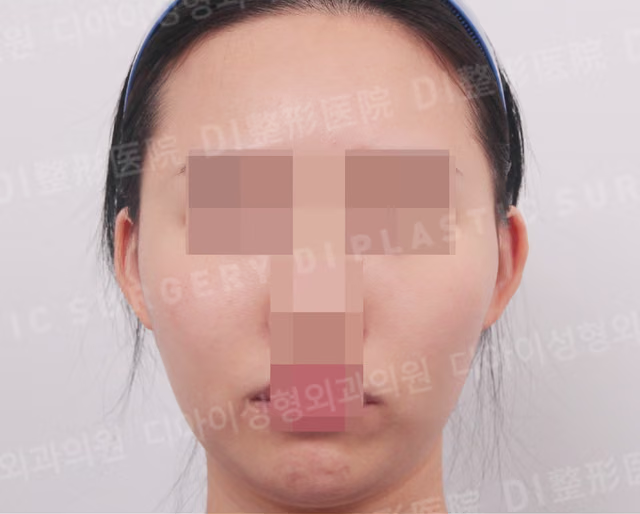
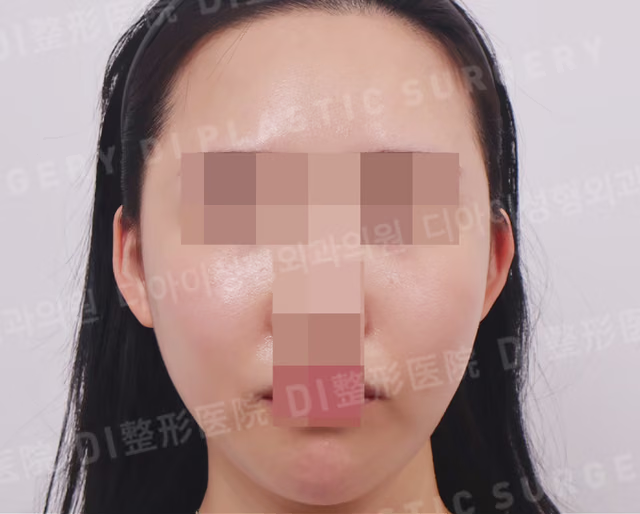
Drag left or right to compare
Cheekbone reduction
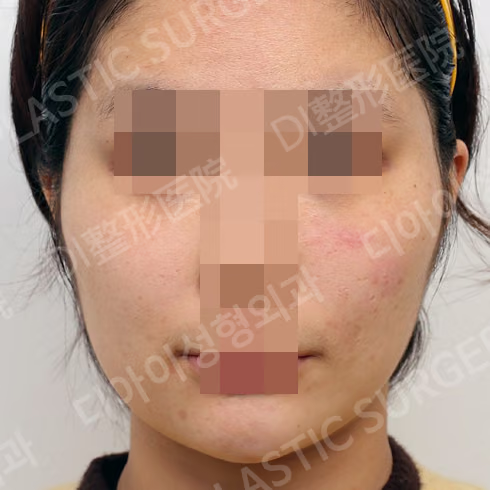
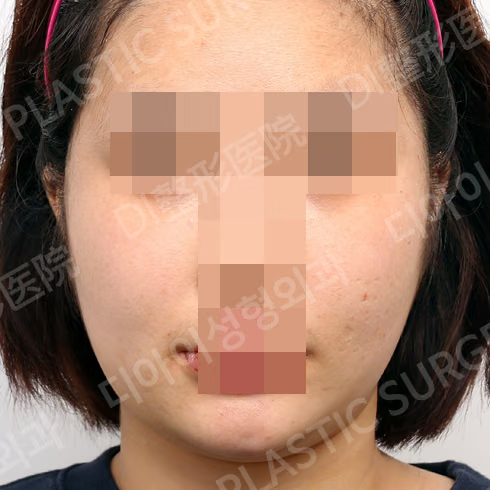
Drag left or right to compare
Cheekbone surgery
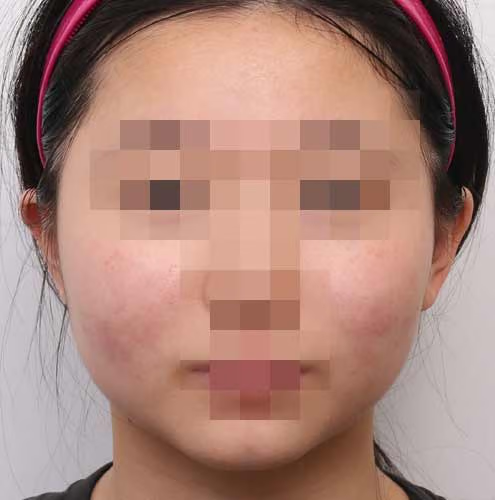
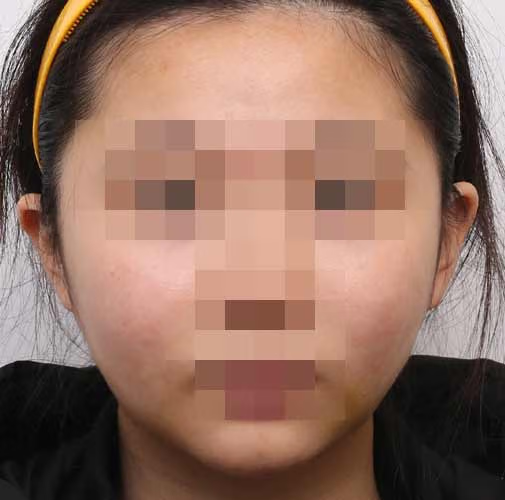
Drag left or right to compare
Cheekbone surgery
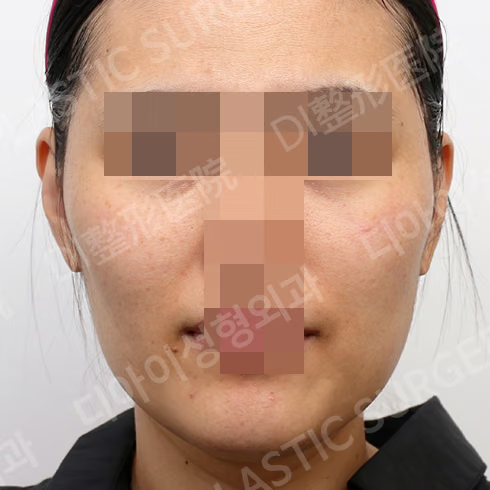
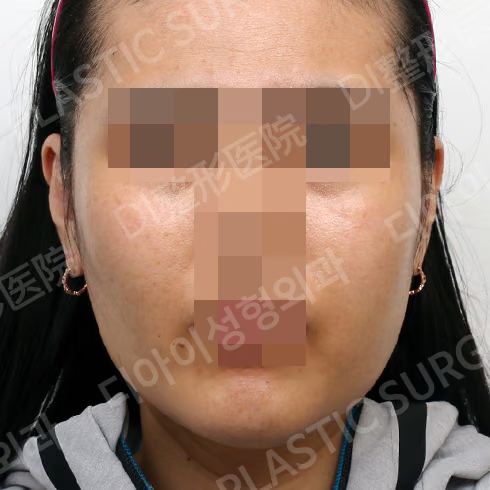
Drag left or right to compare
Cheekbone surgery · Lifting
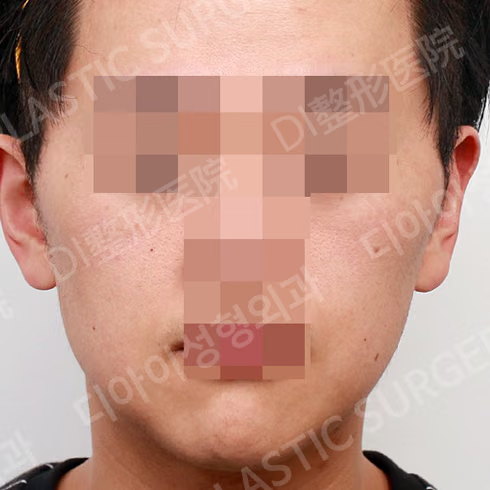
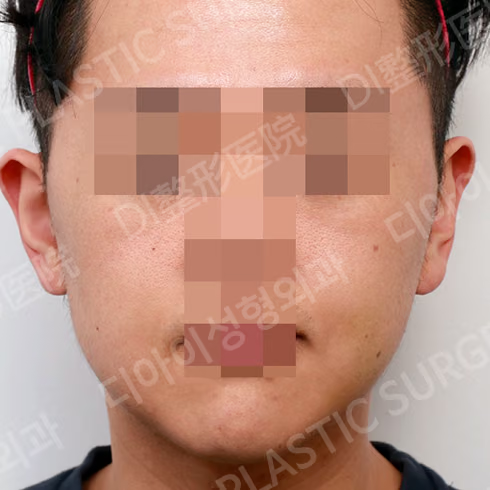
Drag left or right to compare
Cheekbone surgery
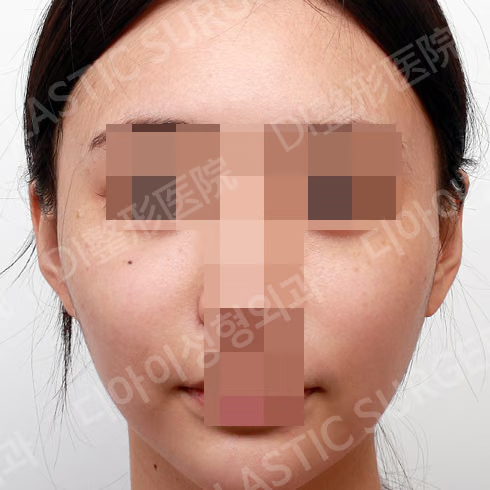
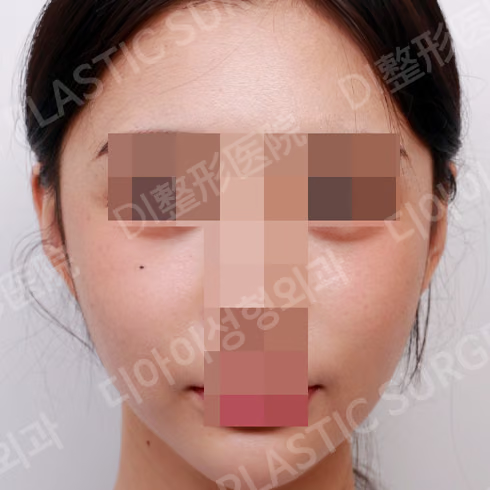
Drag left or right to compare
Cheekbone surgery
04
Recovery & care
Precautions After Facial Contouring Surgery
Follow your surgical team’s individual instructions. Recovery and follow-up schedules vary.
Washing with tape or drains
Until facial tape and drains are removed, wash only unaffected parts of your face, even if inconvenient.
Changes in sensation
Pain, itching, altered sensation, or numbness may occur near the surgical area. These symptoms gradually improve within 6 months; recovery speed varies.
Swelling and compresses
Swelling increases for 3–5 days after surgery. Cold compresses help during this period. Begin warm compresses after 3 days.
Protect your face from impact
Avoid impact for one month. After cheekbone surgery, do not press on or strike the cheekbones.
Diet and mouth care
Have a liquid diet for 1–2 days; a normal diet is possible after 3–4 days. Food debris can collect around sutures inside the mouth, allowing bacteria to grow. Dilute 15 mL of Hexamedine gargle with an equal amount of water. Rinse gently for 30 seconds to 1 minute, then spit out.
Toothbrushing
Resume toothbrushing after 2 weeks. Use a child's toothbrush if opening your mouth is difficult.
Walking and exercise
Light walking during the first month helps swelling subside. From 2 months, exercise is allowed except activities that could injure the jaw.
Complications may include bleeding, infection, inflammation, bruising, swelling, and pain. Satisfaction with surgery varies by individual.
This is an initial recovery estimate, not a guarantee of complete healing. Your recovery and return to activities depend on the procedure and your condition; follow your surgical team’s instructions.
Treatment suitability, recovery and results vary by individual. Your doctor will explain the expected benefits, limitations and possible risks.
CONTINUE YOUR RESEARCH
Questions to discuss before surgery
Before deciding on a procedure, meet Dr. Jung Yun Ik and review his published training. Your consultation should address the proposed approach, alternatives, risks and expected follow-up.
For travel planning, read about recovery and travel planning. These general guides do not establish your personal recovery schedule. Understand the factors behind a plastic surgery estimate and learn how the consultation process works before sending an inquiry or booking travel.
DI PLASTIC SURGERY
Discuss your options
Tell us the procedure you are interested in, your preferred language and your planned visit dates.