


DI PLASTIC SURGERY
Only at DI
Chin surgery
#IndividualizedSurgery #ChinSurgery
Only at DI
What is chin surgery?
The chin bone is cut and repositioned using an individualized method for a long, broad, or receding chin, creating a slim, attractive V-shaped contour.
Bone size and chin length can be reduced together, creating a smooth contour.
Surgery information
- Surgery duration
- 40 minutes
- Anesthesia
- Sedation / general anesthesia
- Hospital admission
- Not usually required
- Recovery period
- 1–2 weeks
- Suture removal
- None
- Follow-up visits
- 1 visit
Complications may include bleeding, infection, inflammation, bruising, swelling, and pain. Satisfaction with surgery varies by individual.

DI PLASTIC SURGERY
Considering the balance of the entire face
A slender V-shaped contour!
The goal extends beyond simply making the face narrow and pointed. Overall facial lines, proportions, and balance are considered to design a facial shape suited to the individual.
Chin Surgery
Beautiful, because it is DI!
DI Chin Surgery Techniques
T-Osteotomy
A T-shaped cut is made in the chin and the central segment is removed. The remaining bone is brought together, and the lateral jaw is trimmed to match the contour.
Creates a slender V-line. Moving the chin forward or backward can improve a receding or protruding chin.
V-Osteotomy
Bone is removed in one continuous cut from the center of the chin to the lateral jaw.
Refines a broad, rounded chin into a smaller, slimmer contour.
Triangle-Osteotomy
A triangular cut is made and the central segment is removed. The remaining chin bone is then brought together.
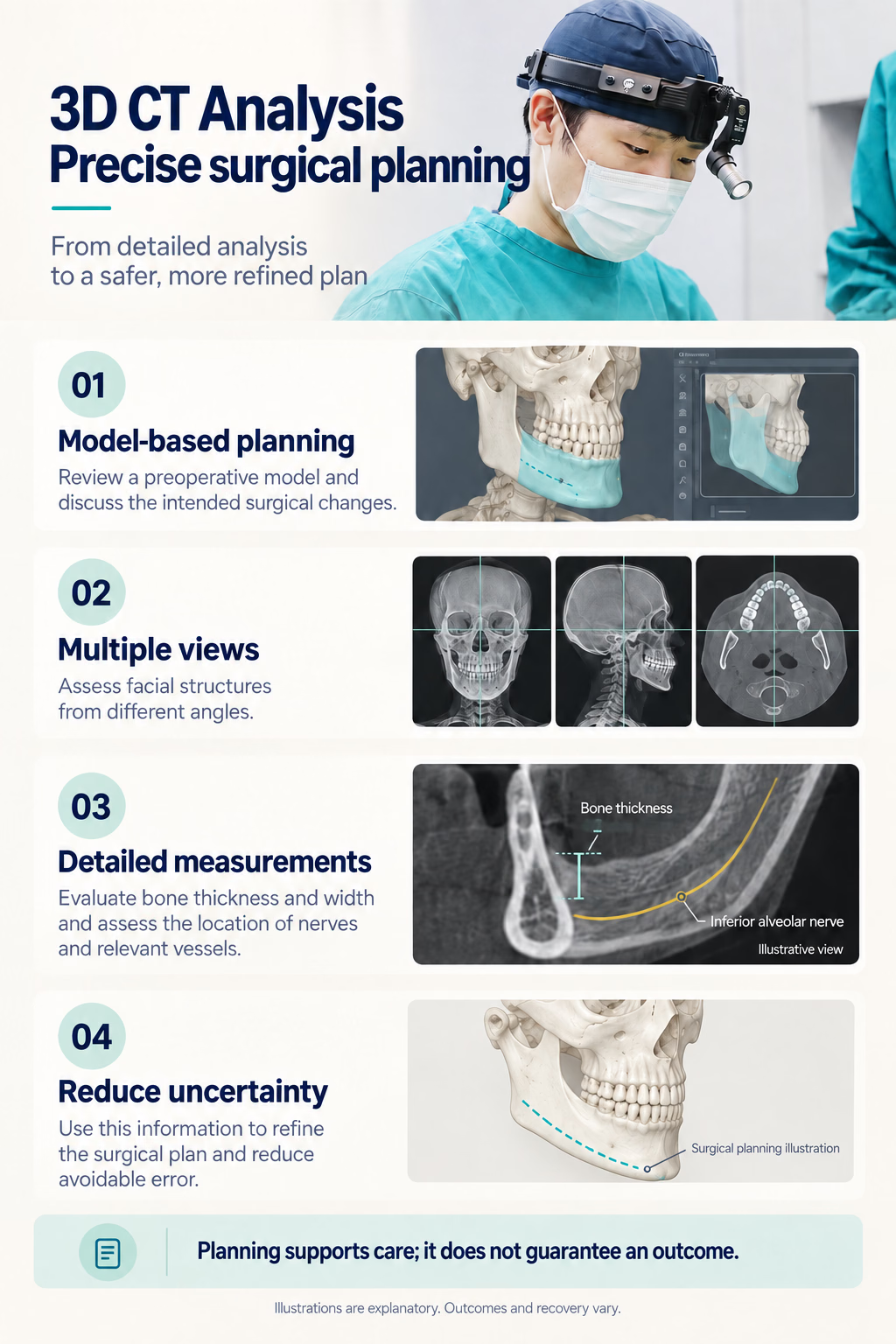
Designed to avoid nerve pathways, allowing safer, precise adjustment of chin length.
Chin Reduction
After the chin bone is cut, it is moved forward or backward to improve a receding or protruding chin.
A technique often used to improve a receding chin.
DI PLASTIC SURGERY
Wide Chin
Triangle-Osteotomy
For a broad chin, T-Osteotomy or Triangle-Osteotomy removes a central bone segment to narrow the chin.
Receding Chin
Chin Advancement
The chin bone is cut horizontally, moved forward, and fixed in position.
Long Chin
Chin Shortening Osteotomy
A horizontal osteotomy removes a middle bone segment to shorten the chin before fixation.
Short Chin
Chin Lengthening Osteotomy
For a broad, short chin, the bone is narrowed and moved downward to lengthen the contour before fixation.

DI PLASTIC SURGERY
Beautifully DI!
DI Chin Contouring
Facial balance guides customized chin surgery
Different chin types receive distinct surgical techniques

DI PLASTIC SURGERY
Chin surgery
Who may consider this procedure?
People seeking an appearance change through chin correction alone
People with a protruding or blunt, flat-ended chin
People with a long, broad chin
People seeking to change a broad U-shaped face into a V-shaped contour
DI PLASTIC SURGERY
Why DI Chin Contouring?
Facial form and individual characteristics guide surgery tailored to bone shape.
3D CT analyzes facial-bone structure and shape, muscle layers, soft-tissue distribution, and nerve pathways in detail.
Dedicated one-to-one anesthesiologist care supports safety throughout surgery.
Clinicians with years of surgical experience and expertise perform the procedure with attention to safety.
Precautions After Facial Contouring Surgery
Follow your surgical team’s individual instructions. Recovery and follow-up schedules vary.
- 01
Washing with tape or drains
Until facial tape and drains are removed, wash only unaffected parts of your face, even if inconvenient.
- 02
Changes in sensation
Pain, itching, altered sensation, or numbness may occur near the surgical area. These symptoms gradually improve within 6 months; recovery speed varies.
- 03
Swelling and compresses
Swelling increases for 3–5 days after surgery. Cold compresses help during this period. Begin warm compresses after 3 days.
- 04
Protect your face from impact
Avoid impact for one month. After cheekbone surgery, do not press on or strike the cheekbones.
- 05
Diet and mouth care
Have a liquid diet for 1–2 days; a normal diet is possible after 3–4 days. Food debris can collect around sutures inside the mouth, allowing bacteria to grow. Dilute 15 mL of Hexamedine gargle with an equal amount of water. Rinse gently for 30 seconds to 1 minute, then spit out.
- 06
Toothbrushing
Resume toothbrushing after 2 weeks. Use a child's toothbrush if opening your mouth is difficult.
- 07
Walking and exercise
Light walking during the first month helps swelling subside. From 2 months, exercise is allowed except activities that could injure the jaw.