
DI PLASTIC SURGERY · SEOUL
Fat Grafting
Learn about facial fat grafting at DI Plastic Surgery in Seoul, including volume assessment, treatment areas and postoperative care.
Medically reviewed by: JUNG YUN IKReviewed on: Content updated:

01
Overview
What is fat grafting?
Unwanted fat is harvested from areas such as the abdomen, thighs, or buttocks, purified, and injected into the face. Because it uses the patient's own fat, side effects such as inflammation are less likely. Adding it to areas lacking volume creates a younger-looking face with greater dimension.
Surgery at a glance
- Surgery duration
- Within 30 minutes
- Anesthesia
- Sedation
- Hospital admission
- Not usually required
- Initial recovery
- 1 week
- Suture removal
- Body donor sites only
- Follow-up visits
- 1 visit
Published procedure information is a guide. Your surgeon confirms the method, anesthesia, recovery and follow-up for your individual plan.
DI PROCEDURE GUIDE
Anatomy & planning
A simplified illustration for understanding the area discussed. It shows anatomy in broad terms and is not a surgical placement guide or a prediction of results.

- 01
- Cheek fat compartment
- 02
- Lower-face fat compartment
01
DI Plastic Surgery's
Using only the patient's own fat Less inflammation and fewer side effects
High graft survival helps maintain volume
Improved contours through added volume
Elasticity, fine lines, and other concerns Improving overall skin concerns
02
The key to fat grafting is
Point
placing fat across the dermal, subcutaneous, and periosteal
layers to improve graft survival.
Use of a microcannula—
A microcannula reduces tissue damage
for precise fat grafting.
Have you checked?
Uniformly sized fat deposits are grafted
for high graft survival in DI Full-Face Fat Grafting.
Restore volume to hollow areas
An attractive facial contour and
improved skin elasticity
Using your own fat minimizes side effects!
Small, precise injections improve graft survival!
03
Facial areas needing fat
Temples, anterior cheekbones, front cheeks, nasolabial folds
Areas where excess fat is unwanted
The face–neck junction, double-chin contour,
excess cheek fullness and cheekbone-area fat
04
Who may consider this procedure?
People seeking natural volume with their own fat
People seeking a natural face with greater dimension
People whose overall facial contours lack harmony
People seeking contouring without a foreign-body sensation
03
Before & after
Original DI clinic photographs. Results and recovery vary. Cases may include combined procedures; the listed treatment and follow-up refer to that individual case.
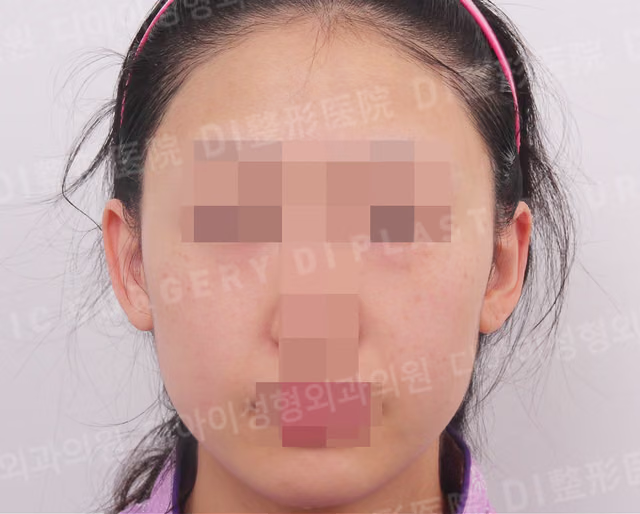
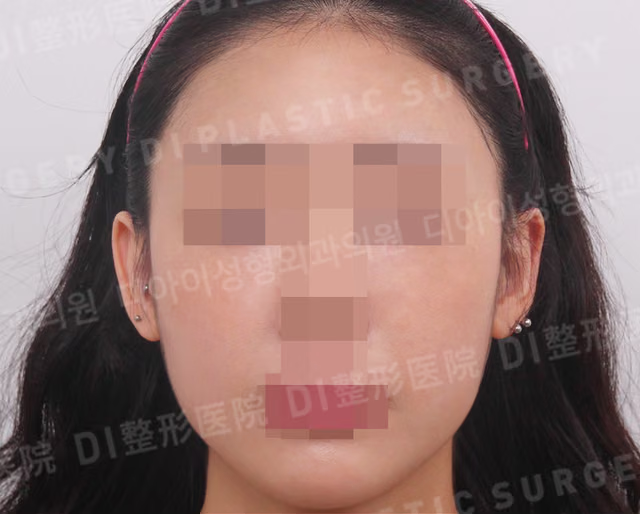
Drag left or right to compare
Fat grafting
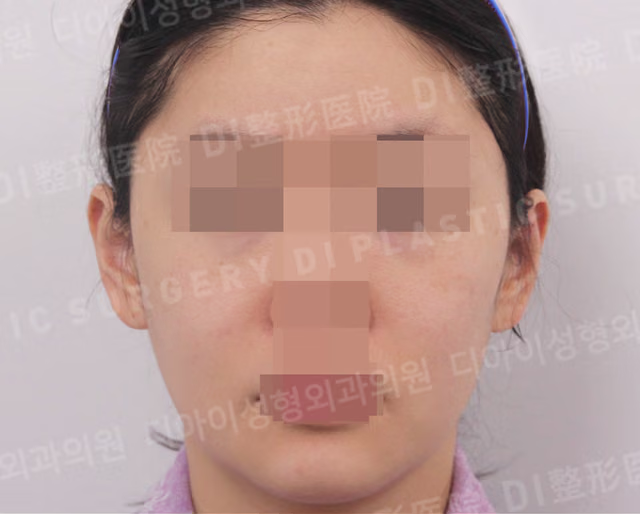
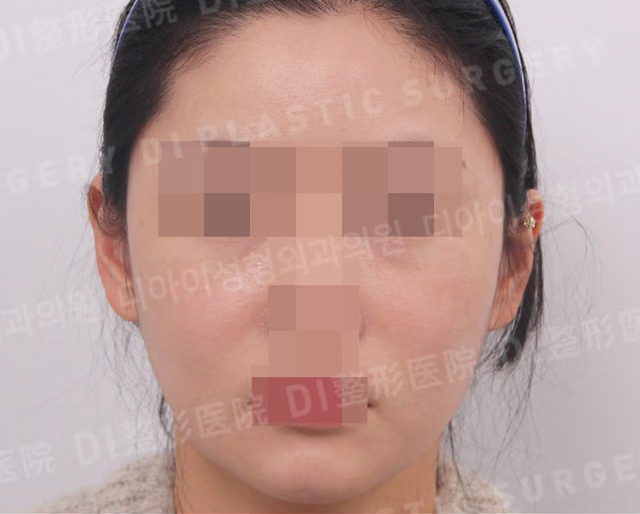
Drag left or right to compare
Full face · Fat grafting
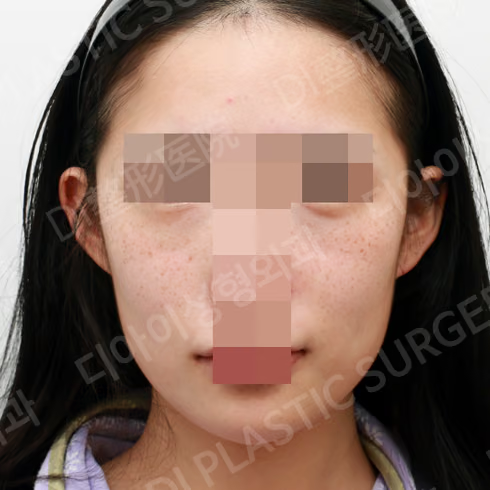
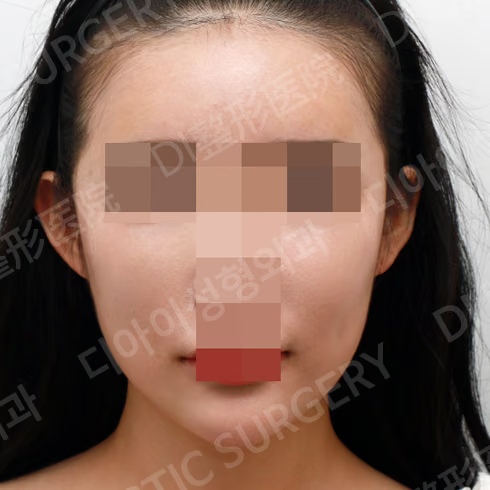
Drag left or right to compare
Fat grafting
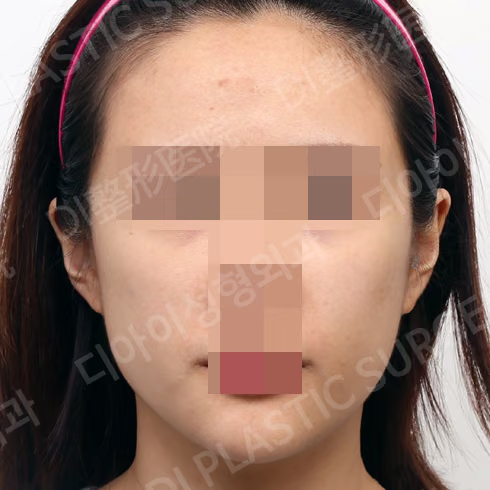
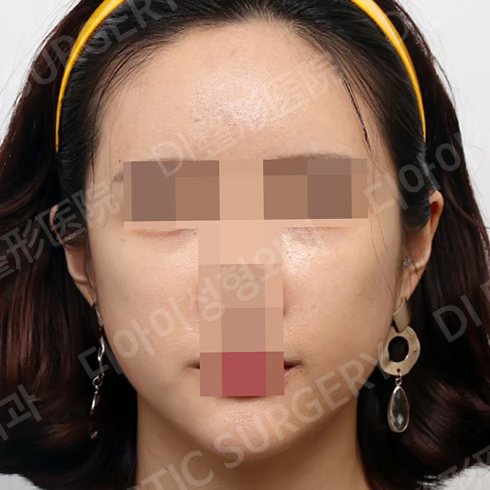
Drag left or right to compare
Fat grafting
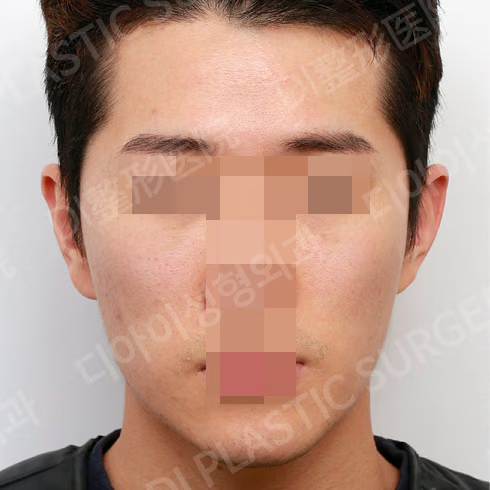
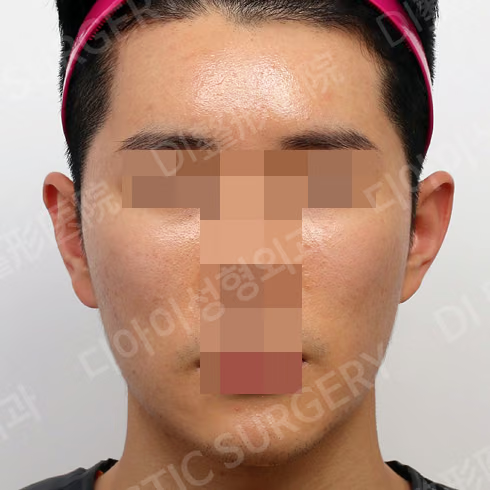
Drag left or right to compare
Fat grafting · Thread lift
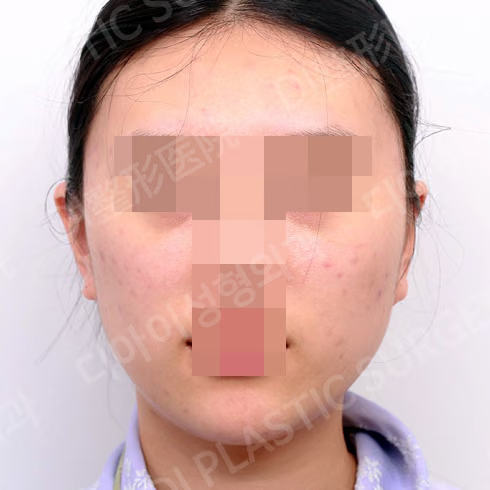
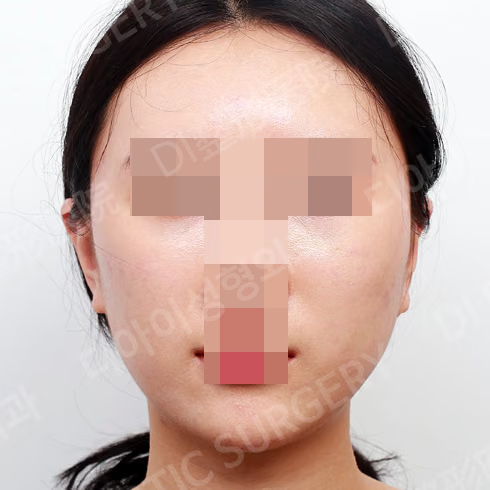
Drag left or right to compare
Fat grafting
04
Recovery & care
Fat Grafting Precautions
Follow your surgical team’s individual instructions. Recovery and follow-up schedules vary.
Washing and makeup
Face washing is possible the next day, showering after 3 days, and makeup after 2–3 days.
Swelling and bruising
Swelling and bruising may differ between sides, temporarily creating an asymmetric appearance. Major swelling varies by individual and gradually subsides over about a week.
Changes in sensation
Altered sensation near the surgical area may include pain, itching, or numbness. These symptoms gradually improve within 6 months; recovery speed varies.
Fat retention
Grafted volume may decrease slightly over time depending on fat survival. After 2 months, graft integration is nearly complete and little further volume loss occurs.
Compresses and the harvest site
Avoid excessive hot or cold compresses, which can reduce graft survival and compress the transferred fat. Redness at the fat-harvest incision is a normal skin response rather than a scar.
Habits during recovery
Do not drink alcohol or smoke for one month. Avoid strenuous exercise, saunas, and dieting, which can interfere with fat survival.
Complications may include bleeding, infection, inflammation, bruising, swelling, and pain. Satisfaction with surgery varies by individual.
This is an initial recovery estimate, not a guarantee of complete healing. Your recovery and return to activities depend on the procedure and your condition; follow your surgical team’s instructions.
Treatment suitability, recovery and results vary by individual. Your doctor will explain the expected benefits, limitations and possible risks.
CONTINUE YOUR RESEARCH
Questions to discuss before surgery
Before deciding on a procedure, meet Dr. Jung Yun Ik and review his published training. Your consultation should address the proposed approach, alternatives, risks and expected follow-up.
For travel planning, read about recovery and travel planning. These general guides do not establish your personal recovery schedule. Understand the factors behind a plastic surgery estimate and learn how the consultation process works before sending an inquiry or booking travel.
DI PLASTIC SURGERY
Discuss your options
Tell us the procedure you are interested in, your preferred language and your planned visit dates.