


DI PLASTIC SURGERY
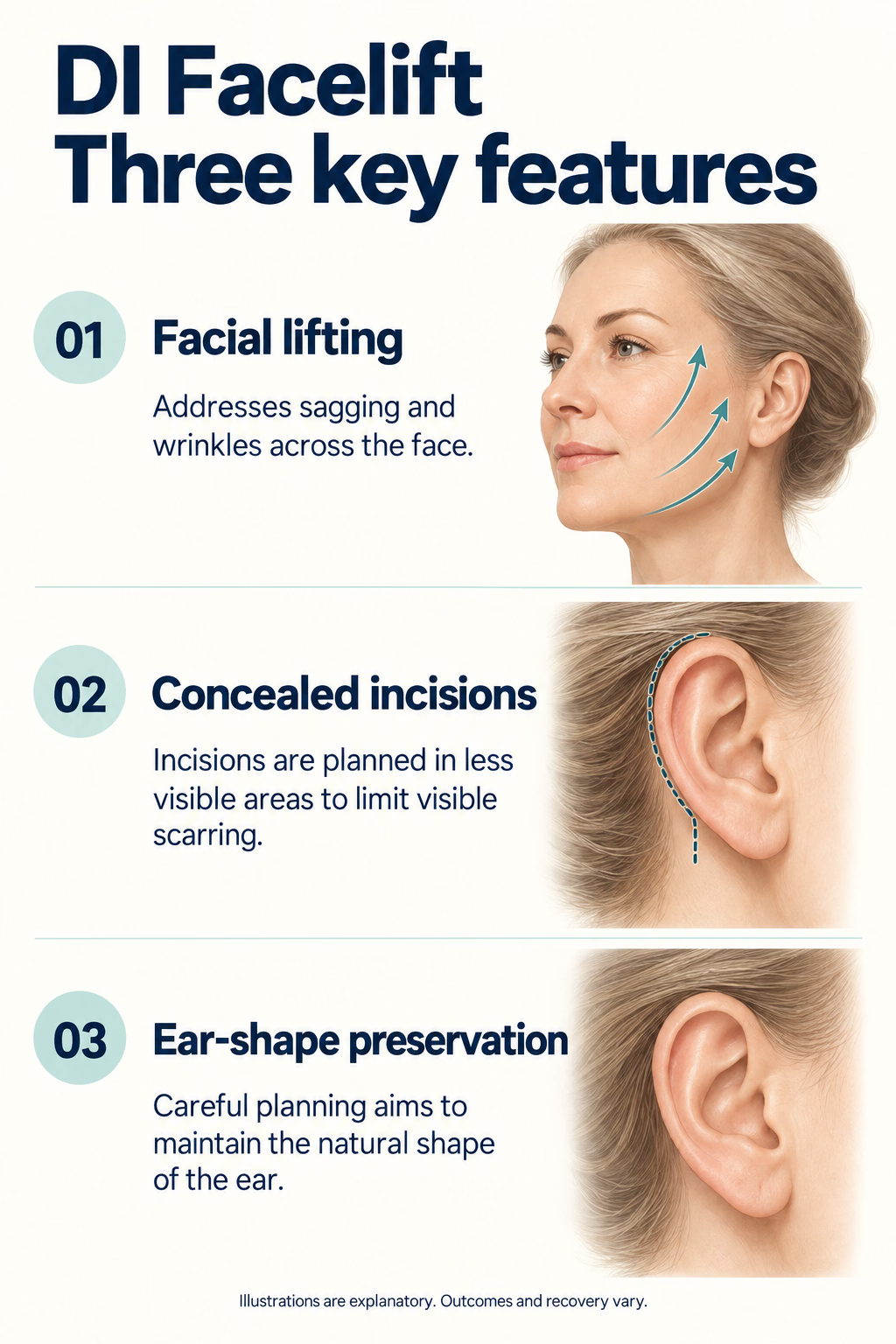
DI Facelift
#AddressingSaggingCauses #FirmFacialContour
Only at DI
What is a facelift?
Effective for deep wrinkles, severe sagging, and sagging after contouring surgery, this procedure lifts three layers—the epidermis, dermis, and SMAS— to improve loose skin.
Surgery information
- Surgery duration
- 5 hours
- Anesthesia
- Sedation
- Hospital admission
- Not usually required
- Recovery period
- Varies by individual
- Suture removal
- Required
- Follow-up visits
- 2–3 visits
Bleeding, infection, inflammation, bruising, swelling and pain may occur. Satisfaction and outcomes vary between individuals.

Comparison of Lifting Procedures
| Category | Point Lifting | DIALL Lifting | Facelift |
|---|---|---|---|
| Method | 1 cm incision | 5–10 cm incision | Temporal and sideburn incisions |
| Treatment area | Sagging areas, treated one area at a time | Sagging cheeks and jawline | Overall facial sagging |
| Anesthesia | Sedation | Sedation | Sedation |
| Duration of effect | Semi-permanent | Semi-permanent | Permanent |
DI PLASTIC SURGERY
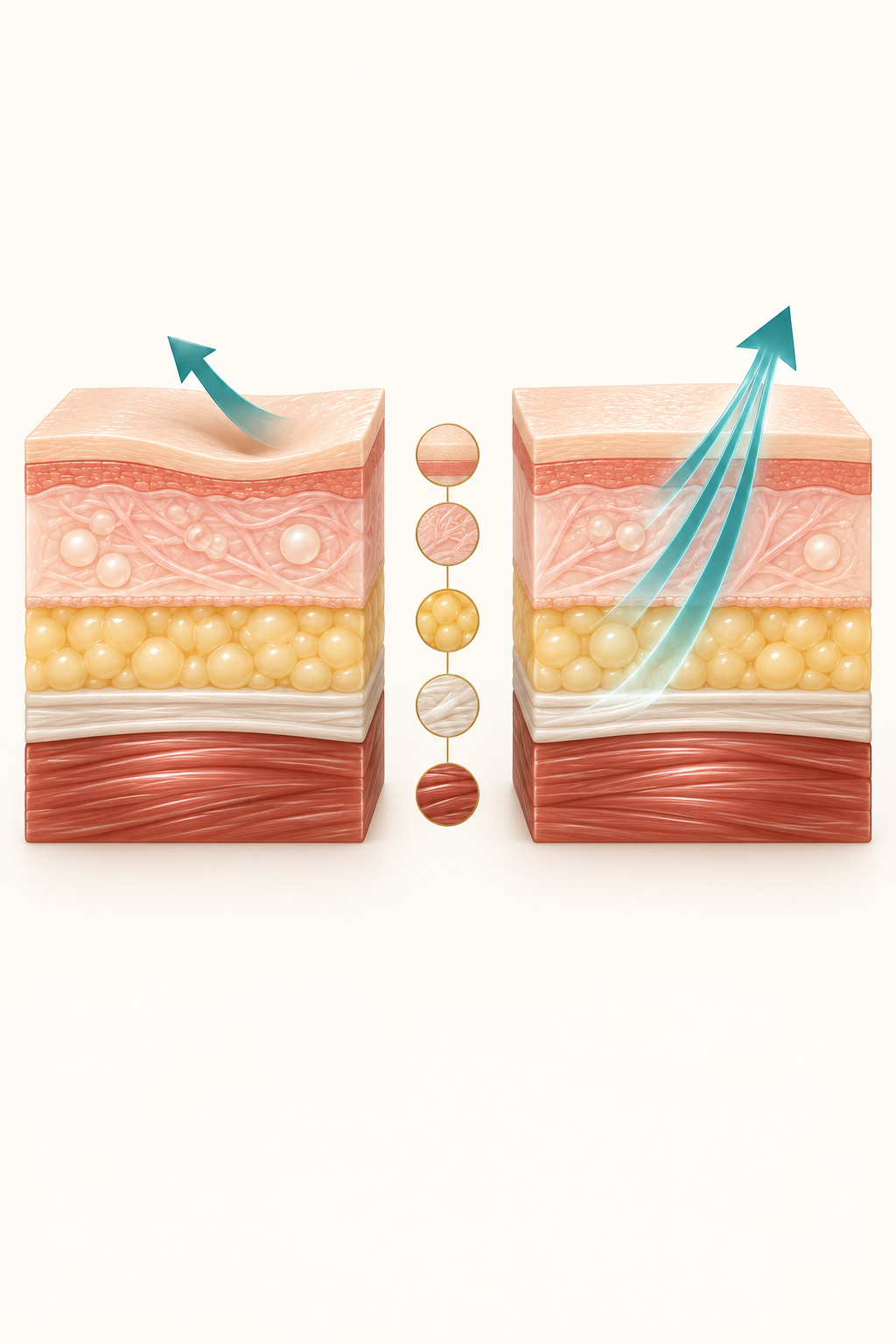
Firm, separate fixation of three layers
When only the skin is lifted
Epidermis
Dermis Subcutaneous fat Fascial (SMAS) layer Muscle layer
When lifting reaches the fascial layer
A facelift lifts the skin, fat, and SMAS—
three tissue layers in total.
Retaining ligaments are identified, the three layers are evenly dissected, and sagging is assessed. Controlled tension and firm fixation improve wrinkles and facial sagging.
DI PLASTIC SURGERY
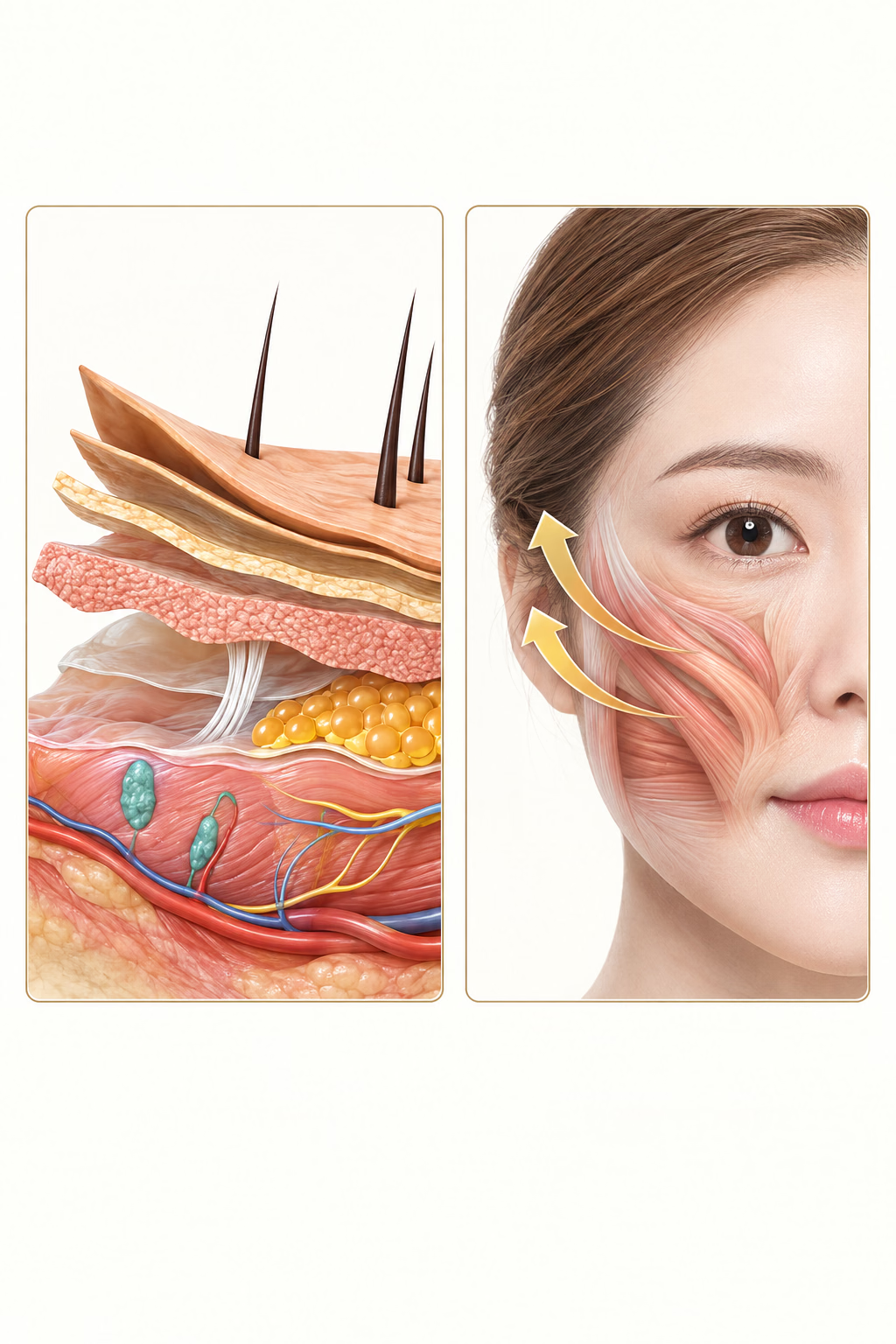
What is the SMAS layer?
Facelift Areas
Skin
Collagen / fat
SMAS layer
Retaining ligament
Buccal fat
Lifting to the SMAS layer supports a firmer, semi-permanent lifting effect. With lifting that reaches the SMAS layer, experience a more dramatic result.
#Cheeks #NasolabialFolds #MarionetteLines
#Jawline
DI PLASTIC SURGERY
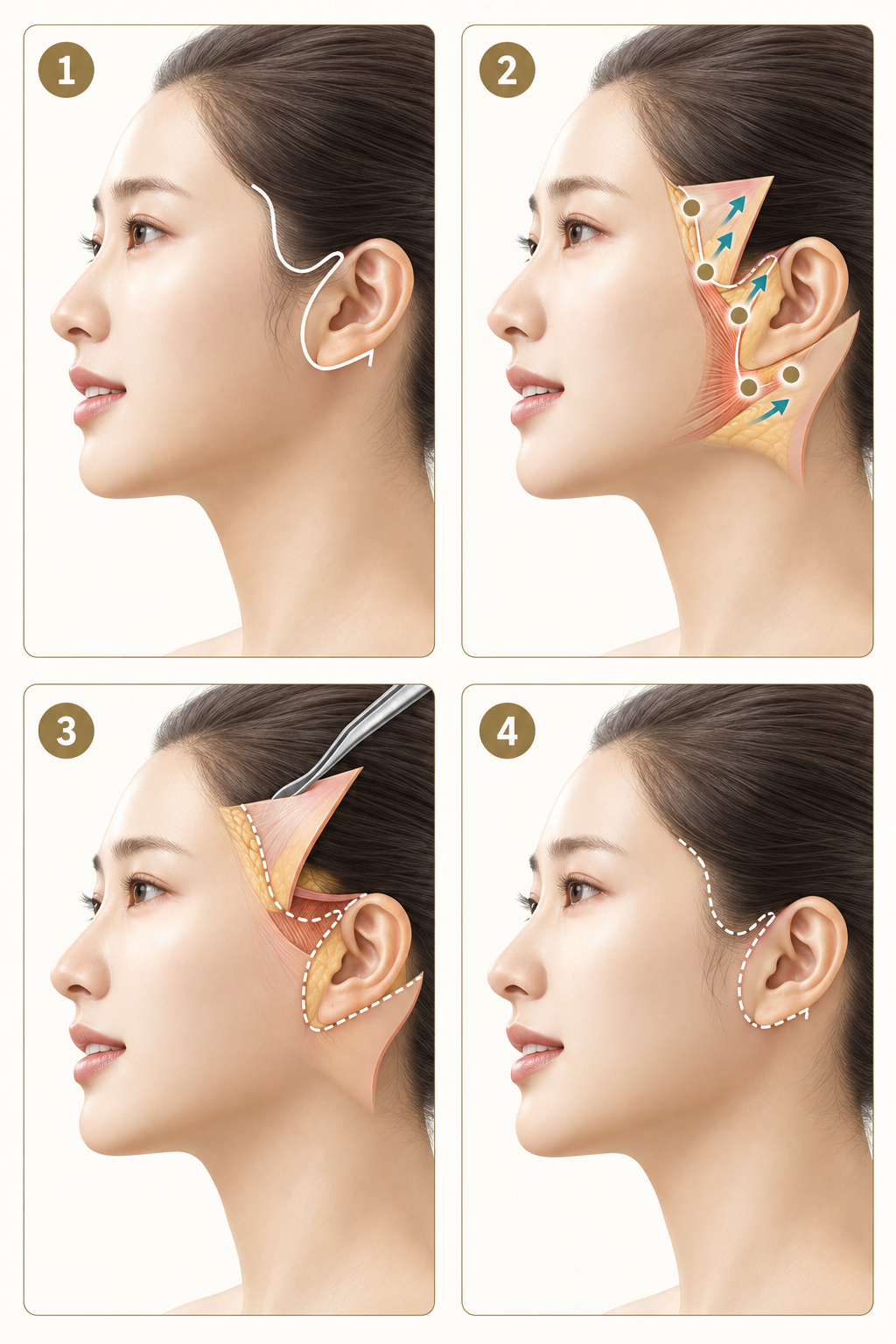
Facelift Surgical Method
Following the hairline and behind the ear, the incision is designed and made. according to eye shape.
The skin layer is widely dissected, and excess SMAS and skin tissue are removed.
Remaining tissue and muscle are lifted together, fixed at designated points, and the incision is meticulously closed.

DI PLASTIC SURGERY
Facelift
Who may consider this procedure?
People with severe facial sagging for their age
People concerned about sagging after contouring surgery
People seeking overall wrinkle and elasticity improvement
People aged 60 or older with established signs of aging
Precautions After Facelift Surgery
Follow your surgical team’s individual instructions. Recovery and follow-up schedules vary.
- 01
Incision care and hair washing
If sutures are present, keep the surgical area dry and clean until removal. Shampooing is possible after 3 days; preferably visit a salon and ask for gentle washing while avoiding the sutures. If a drain is present, do not shampoo until it has been removed. Do not bend forward to wash your hair yourself.
- 02
Swelling and reduced sensation
Major swelling lasts around 2 weeks and gradually subsides after suture removal. Reduced sensation after surgery creates a burn risk; do not apply hot or cold compresses.
- 03
Prescribed medication
Take the medications prescribed by the clinic after surgery.
- 04
Activity during the first week
For about one week, avoid bending your head down, lifting heavy objects, or other actions that increase pressure in the face.
- 05
Rest and sleeping position
Rest as much as possible for about one week. Do not lie on your side or face down. Sleep facing upward with your upper body slightly elevated.
- 06
Alcohol, smoking and strenuous activity
Do not drink alcohol or smoke for one month. Avoid strenuous exercise, stress, and saunas.