


DI PLASTIC SURGERY
DI RHINOPLASTY
What is DI Rhinoplasty?
From every angle Naturally beautiful DI Rhinoplasty

DI PLASTIC SURGERY
NATURAL AND SAFE
Rhinoplasty using your own tissue
DI's autologous-tissue rhinoplasty does not use materials such as Medpor, mesh, or donor rib cartilage. It uses the patient's own ear, septal, or rib cartilage, reducing the likelihood of inflammation or changes such as nasal-tip drooping.

DI PLASTIC SURGERY
CLINICIANS WITH EXTENSIVE EXPERIENCE
contribute their assessment
to find the most attractive nasal contour for you.
Forehead–nasal bridge angle 120–140°
120–140°
For a natural nasal contour, the angle between the columella and upper lip— the nasolabial angle—and the curve connecting the forehead, nasal tip, and lips are important.
Nasal tip–lip angle 95–110°
95–110°

DI PLASTIC SURGERY
THROUGH A DETAILED ASSESSMENT
A considered approach to a balanced
Nasal contour!
Although it may appear simple from the outside, The inside of the nose has a complex structure. DI Plastic Surgery considers the overall harmony and appearance of the face and nose, 3D CT equipment is used for detailed assessment.
Before surgery
Check your nose type
DI PLASTIC SURGERY
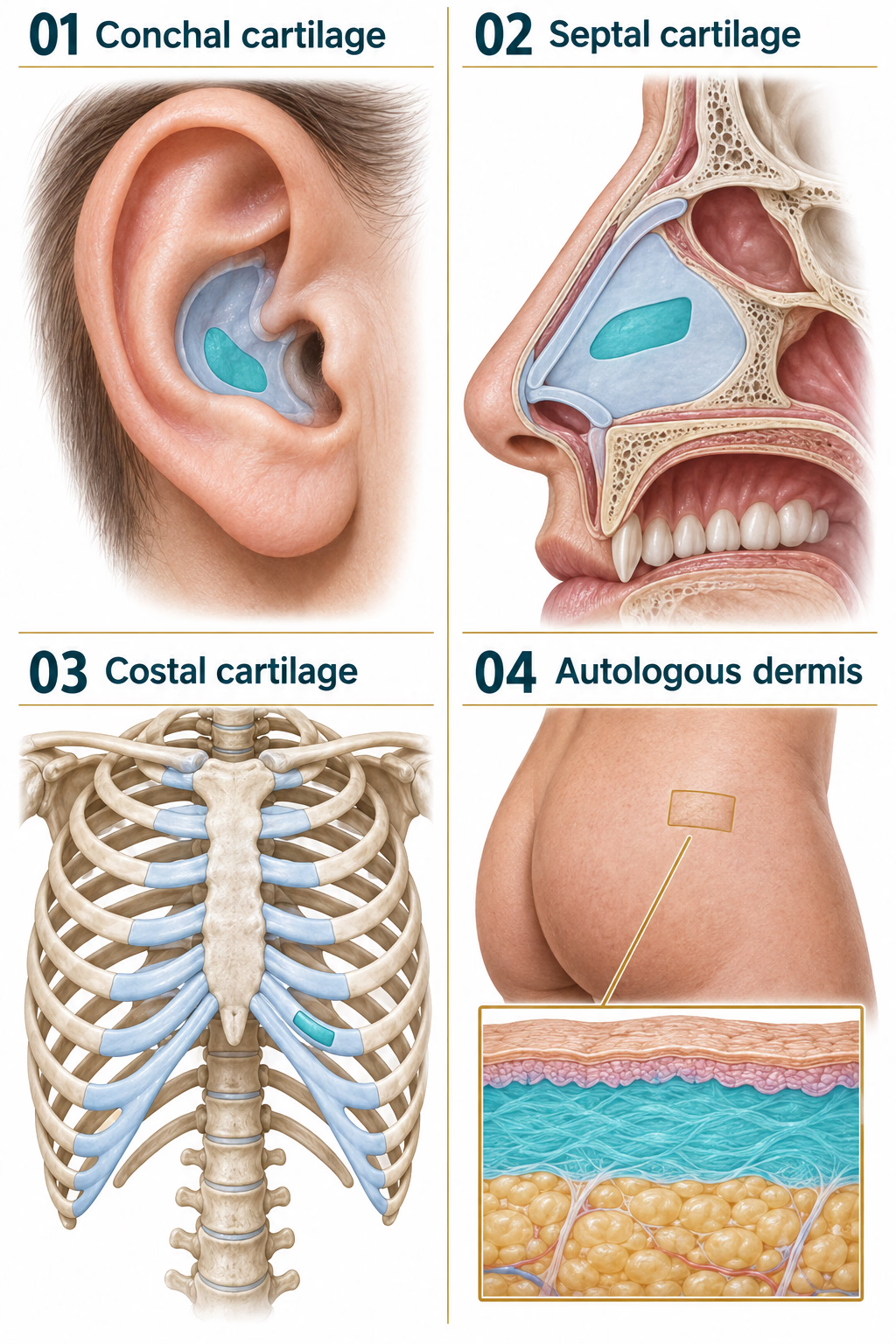
Features of DI autologous-tissue rhinoplasty
01. Ear cartilage
Cartilage from the conchal bowl of the ear can support and refine nasal-tip contours. The incision is placed discreetly, and the remaining ear structure is preserved.
02. Septal cartilage
Firm, plate-like cartilage from the internal nasal septum can support the nasal tip and other structures. A supporting border of septal cartilage is retained.
03. Rib cartilage
Costal cartilage from the anterior chest may be used when other available cartilage is insufficient. It provides material and structural support for the tip, bridge and other applications.
04. Autologous dermis
Dermis is a skin layer, not cartilage. A dermal graft may be used to add coverage or volume when skin is thin or when an implant is not preferred.
Illustrated donor areas are a general guide. The exact site and amount of tissue are selected for each individual.

DI PLASTIC SURGERY
RHINOPLASTY USING YOUR OWN TISSUE
Why consider DI?
Facial form and individual characteristics guide surgery tailored to the nasal shape.
3D CT is used to assess nasal cartilage and tissue condition.
Cartilage and subcutaneous tissues are assessed before surgery.
For patients with implant rejection concerns or allergic reactions, nasal surgery uses the patient's own tissue only.
Rhinoplasty aftercare
Follow your surgical team’s individual instructions. Recovery and follow-up schedules vary.
- 01
Incision care
Keep the surgical area dry and clean until stitches are removed. On the day of removal, wash gently with water; use soap from the following day.
- 02
Nasal discharge
A little bleeding or blood-tinged discharge may occur for 3–4 days. Do not blow your nose; gently wipe away discharge.
- 03
Tape and splint
Tape helps maintain implant position and limit blood pooling. The splint protects against impact. If it comes off, do not reattach it yourself; contact the clinic and protect your nose.
- 04
Cold and warm compresses
Use cold compresses for the first 3 days, then warm compresses from day 4, as instructed by your surgical team.
- 05
Swelling and bruising
Swelling and bruising generally take about 2 weeks to settle. Swelling may temporarily make the nose look uneven, tilted or depressed.
- 06
Glasses
Avoid glasses and sunglasses for at least one month to prevent pressure that could affect the nasal shape.
- 07
Protect your nose
Do not blow your nose forcefully or do activities that strain or put pressure on your nose.
- 08
Ear cartilage donor site
If cartilage was taken from your ear, avoid pulling or pressing the ear firmly.
- 09
Recovery habits
Avoid alcohol and smoking for one month. Avoid strenuous exercise and excessive stress, which can interfere with recovery.