
Start with the complete procedure label
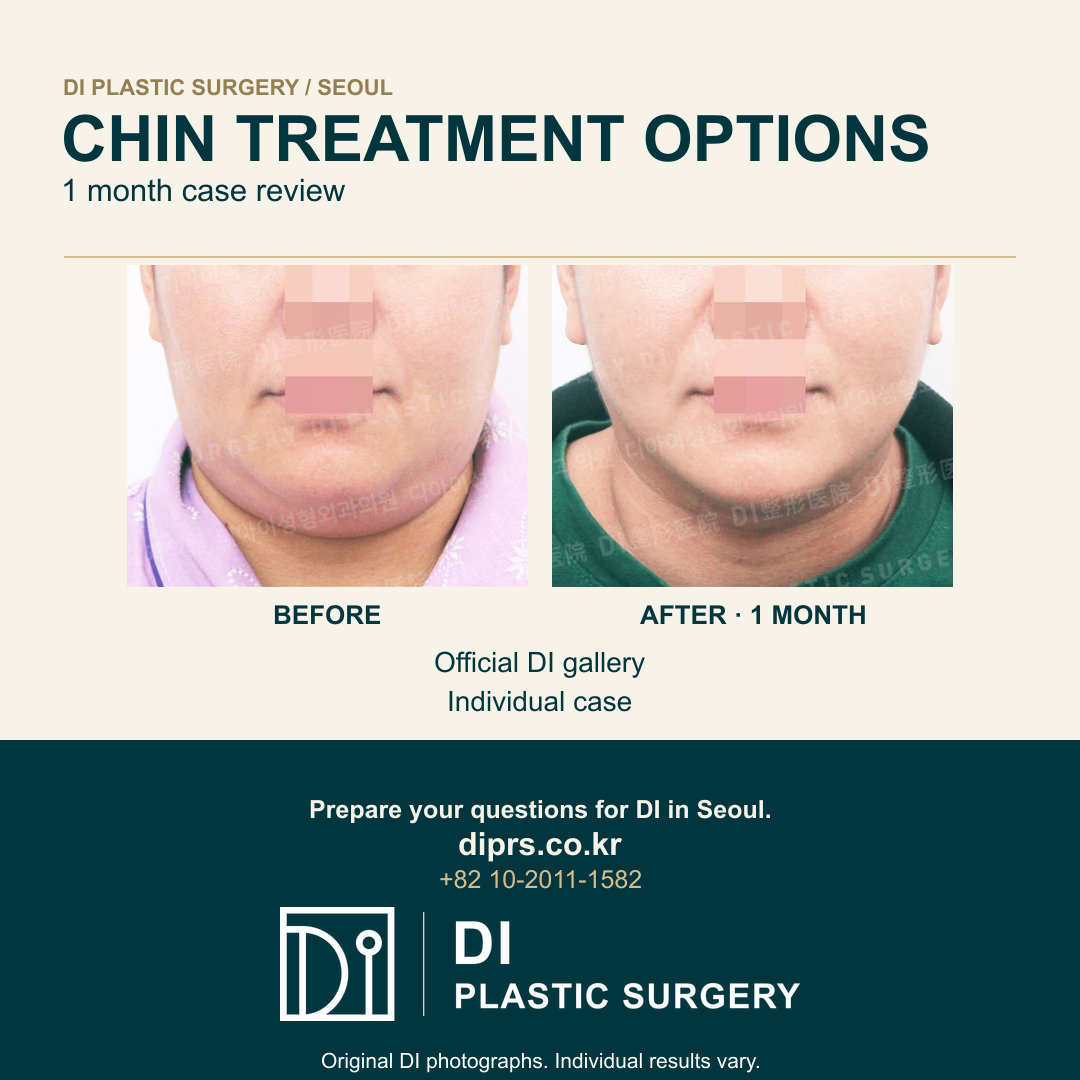
DI’s official case 015 is labelled double-chin liposuction, double-chin treatment and muscle tightening, with a one-month follow-up. The gallery provides front, angled and side views. Because the label describes combined treatment, the photographs cannot show how much of the appearance is attributable to one component.
This guide helps you ask what each proposed part of a plan is intended to do. It does not identify the exact operative technique used in the case, the quantity of tissue treated or whether a similar combination is appropriate for you. The original photographs and privacy masking are preserved. Individual results vary.
Turn a combined label into separate questions
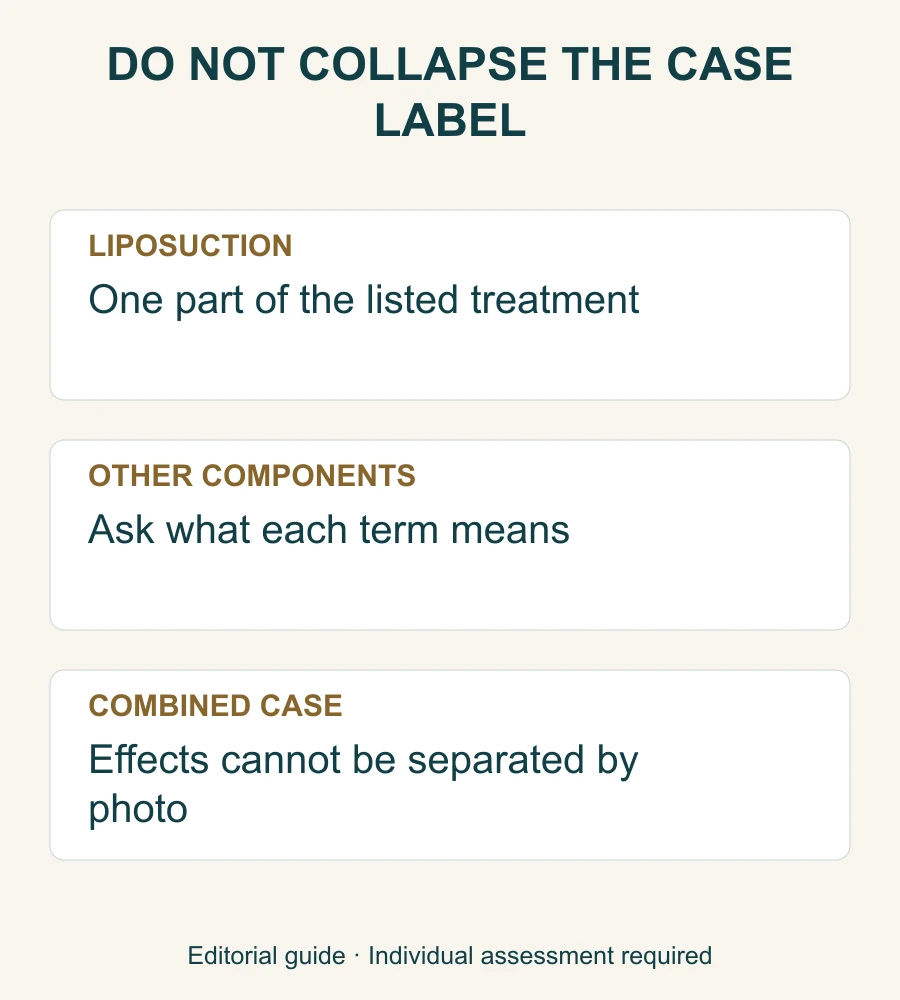
Begin by explaining the concern you want assessed. Ask the surgeon to distinguish the area being examined from the treatment being considered. A familiar term such as double-chin treatment can cover different discussions; ask the clinic to define its meaning in your own plan rather than relying on the label alone.
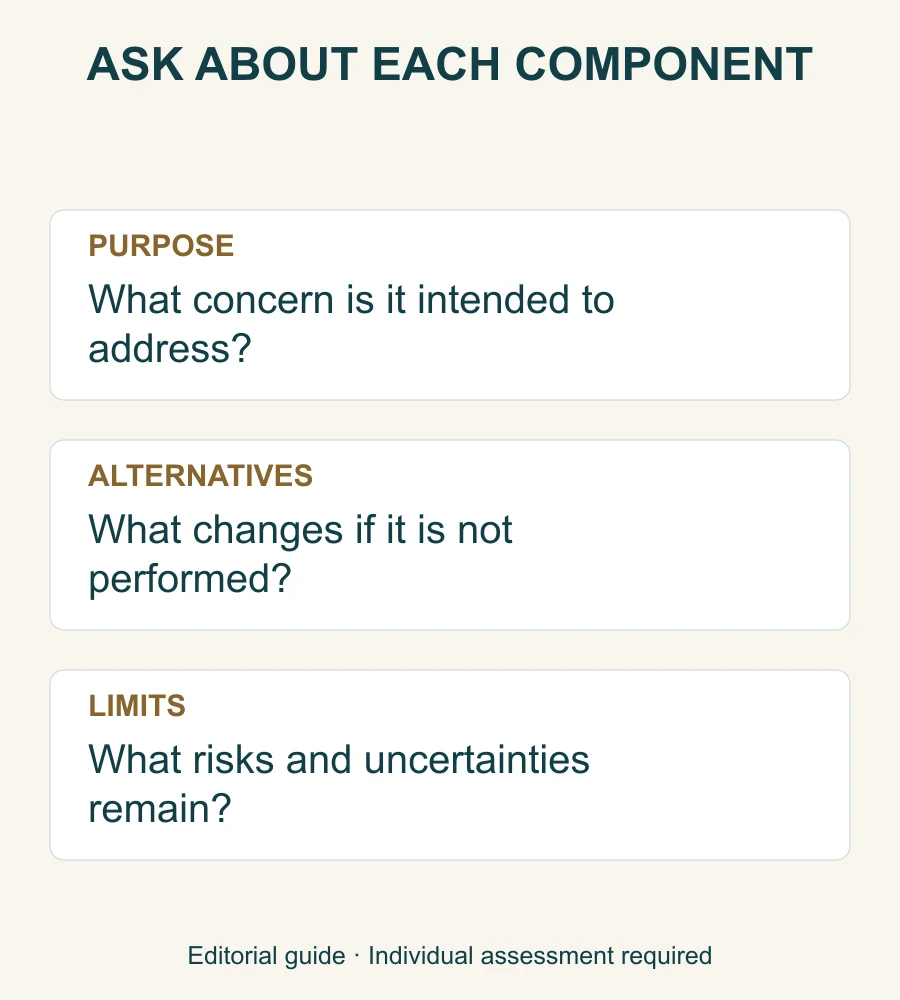
For every proposed component, request its intended purpose, limitations, alternatives and additional risks. Ask what would change if that component were omitted or if you did not proceed. The gallery does not establish that liposuction, tightening or any additional treatment must always be performed together.
| Component in the case label | Useful consultation question |
|---|---|
| Liposuction | Which area and concern would this address in my plan? |
| Double-chin treatment | What specific procedure does this term mean here? |
| Muscle tightening | Why is it proposed and what alternatives are available? |
| Combined approach | What extra risks, recovery or costs does each part add? |
Understand the limits of a photograph
The American Society of Plastic Surgeons describes liposuction as removal of excess fat from selected areas. That general definition does not mean every concern below the chin is suitable for liposuction, or that a photograph can identify the relevant tissues. An examination is needed to discuss the individual concern and the options available.
The one-month image also cannot disclose anesthesia, the device used, the amount treated, the full care record or the reason the combination was selected. We do not infer those details from appearance. Different expressions, angles and lighting can affect comparisons, so use the images to frame questions rather than to calculate a treatment effect.
Discuss risks for the complete proposed operation
ASPS lists potential liposuction risks that include infection, persistent changes in sensation, uneven contours and anesthesia-related complications. The risks of additional procedures need their own explanation. A good result in another person’s photograph does not establish a low-risk choice for you.
Ask who will explain the risks, provide anesthesia and coordinate postoperative review. If more than one procedure is proposed, ask how the combined plan affects follow-up and what alternatives remain. The article does not provide a personal risk estimate or replace the clinic’s consent process.
Request a component-by-component estimate
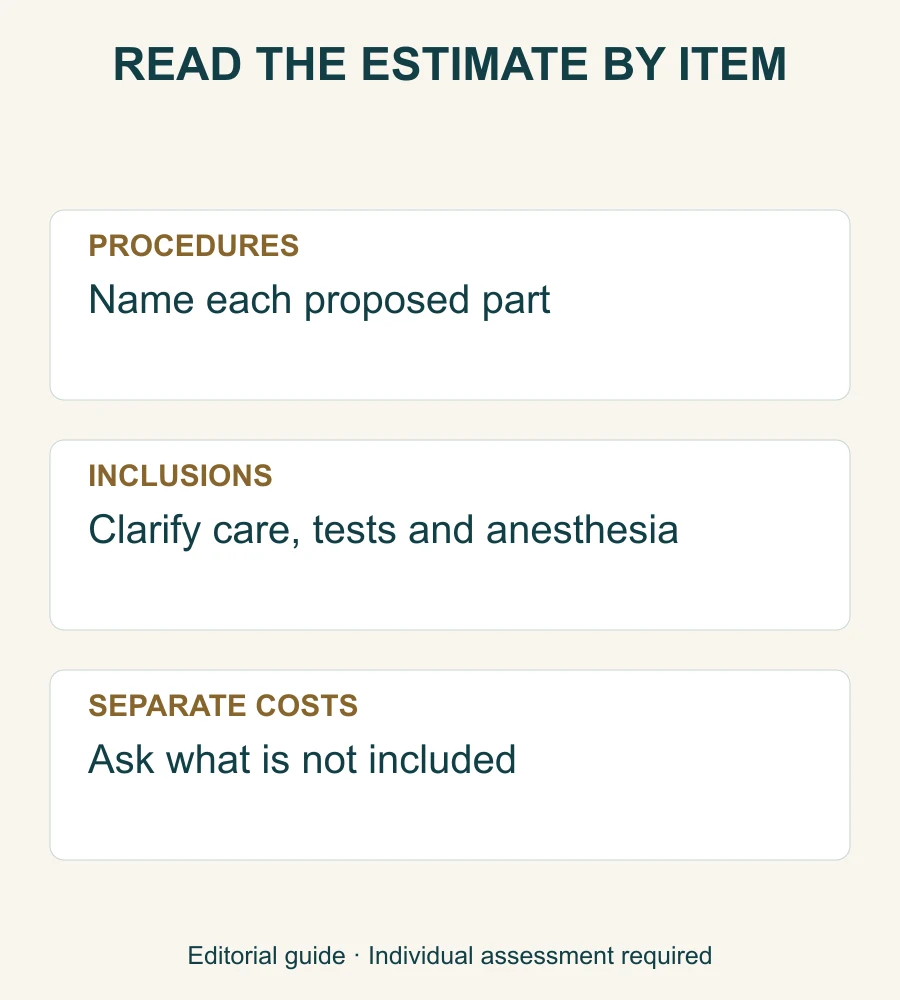
A written estimate should identify the proposed procedures and clarify which services are included or separate. Ask about consultation charges, anesthesia, tests, garments if prescribed, follow-up and any additional treatment being discussed. Do not interpret a price for one listed item as the price for a combined operation.
DI publishes general cost-planning and price information, but this case does not establish a current individualized fee. Confirm the applicable scope and estimate with the clinic. Avoid committing to flights or a fixed return date before the treating team has explained the necessary visits and your individual travel considerations.
Prepare for follow-up as well as the consultation
A one-month photograph is a documented observation time, not a universal recovery promise. Ask for written instructions that apply to the exact operation proposed, including the review schedule and how to contact the team after leaving Seoul. If you have previous treatment in the area, ask which records the surgeon would find useful and how to share them privately.
A concise inquiry can state the area of concern, the questions you want clarified, your preferred language and possible visit dates. The clinic must confirm availability, language arrangements, the plan and any quote. This editorial article is based on published sources and does not claim a new medical review or that an appointment has been made.
Information that helps us prepare a useful reply
When contacting the clinic, tell us the procedure or concern you would like to discuss, your preferred language, whether you have had related treatment before and the dates you could visit Seoul. International patients may also wish to include their arrival and departure dates so the team can explain when an in-person consultation and follow-up may fit into the trip.
Please do not send passport numbers, payment information or complete medical records through an initial website inquiry. A coordinator can explain which health information or photographs are relevant and how they should be shared. Online guidance is preliminary; suitability, technique and the final treatment plan are determined only after an appropriate medical assessment.