
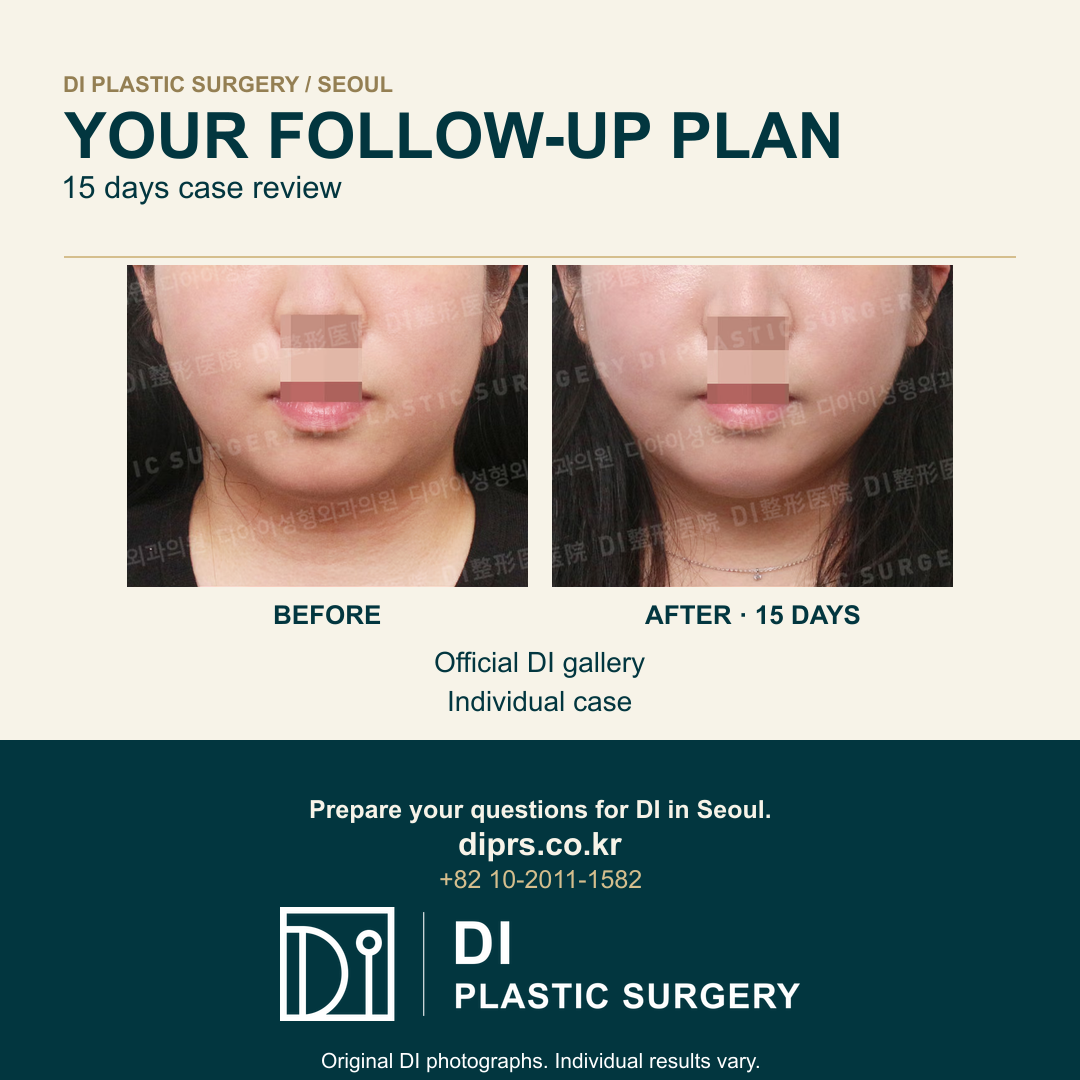
What does a 15-day photograph tell you?
The official DI gallery labels case 017 as double-chin liposuction with a 15-day follow-up. The paired front-view photographs document that individual case at the stated time. They do not establish when another person will be ready to travel, stop wearing a garment or judge a final result. The original masking and watermark remain in the cover; no clinical features have been retouched.
This guide focuses on organizing the questions you will ask after a consultation. It is not a home treatment protocol. DI’s gallery does not provide this person’s operative notes, garment prescription, symptom history or follow-up schedule. None of those details can be reconstructed from the photograph. Ask your treating clinician to give instructions for your own procedure and to explain whom you should contact if a concern arises.
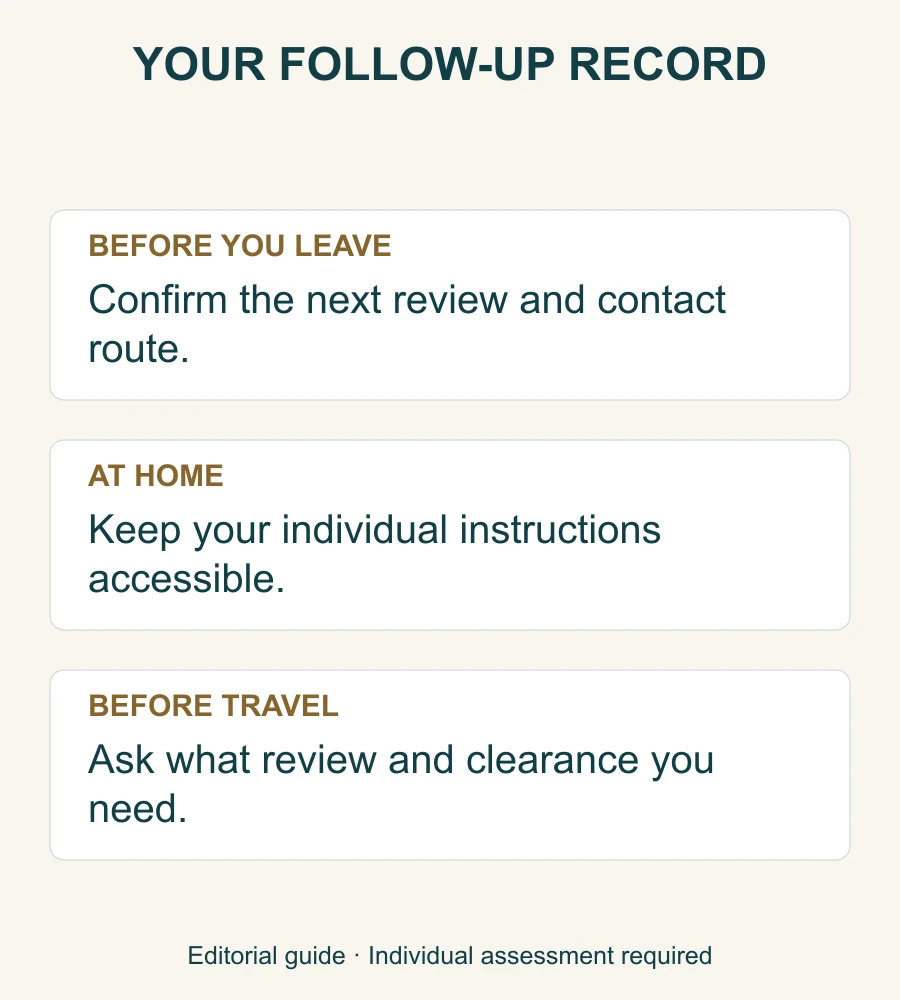
Ask for a plan you can refer to later
The American Society of Plastic Surgeons describes recovery instructions as including care of the treated site, medications if prescribed, specific concerns to look for and follow-up with the surgeon. Its general liposuction recovery information also discusses support garments. These are topics for a personalized discussion, not evidence that every chin procedure uses the same garment, schedule or medicine.
Before leaving the clinic, ask for the applicable instructions in a form you can understand and refer to. Clarify which instructions relate to wound care, activity, garments and follow-up. If you are uncertain about an instruction or the instructions you received seem inconsistent, contact the treating team rather than substituting advice from a social-media case.
| Record | Question for your treating team |
|---|---|
| Follow-up | When and where is the next review, and who confirms it? |
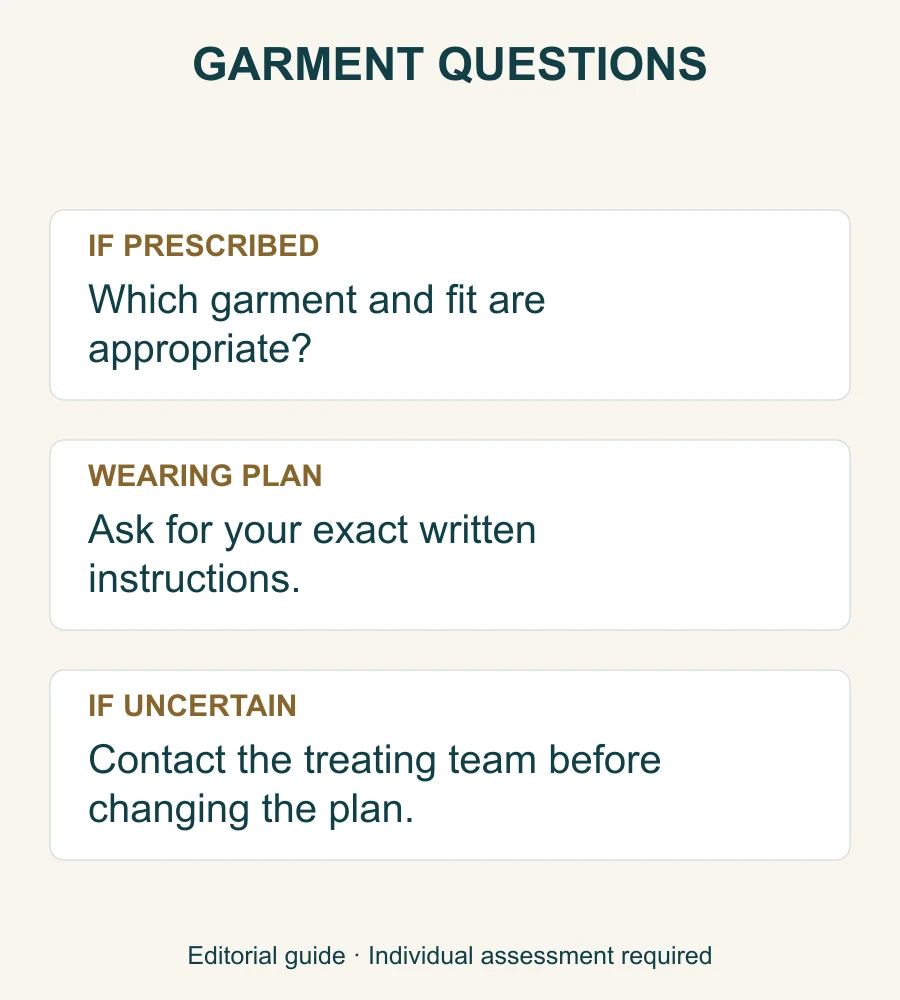
| Garment, if prescribed | Which garment, how should it fit, and what exact wearing instructions apply? |
| Care instructions | Which site-care and activity instructions apply to my operation? |
| Contact route | Which number should I use during and outside clinic hours? |
| After returning home | Who should assess a concern locally, and how can records be shared securely? |
Describe a change without diagnosing it yourself
A photograph cannot distinguish normal healing from a complication in another person. If you contact your clinician, explain when a change started, whether it is worsening and how it affects you. Follow the clinic’s instructions for contacting the team and for obtaining urgent care. Do not wait for a social-media reply if you think you have an emergency.
Ask the clinician before surgery which changes require prompt review, which require emergency assessment and which can be discussed at a planned appointment. This conversation is especially important if you will stay outside Seoul or return overseas. A generic online list cannot replace advice tailored to your health and operation, and this page cannot assess photographs or symptoms.
Make the overseas handover explicit
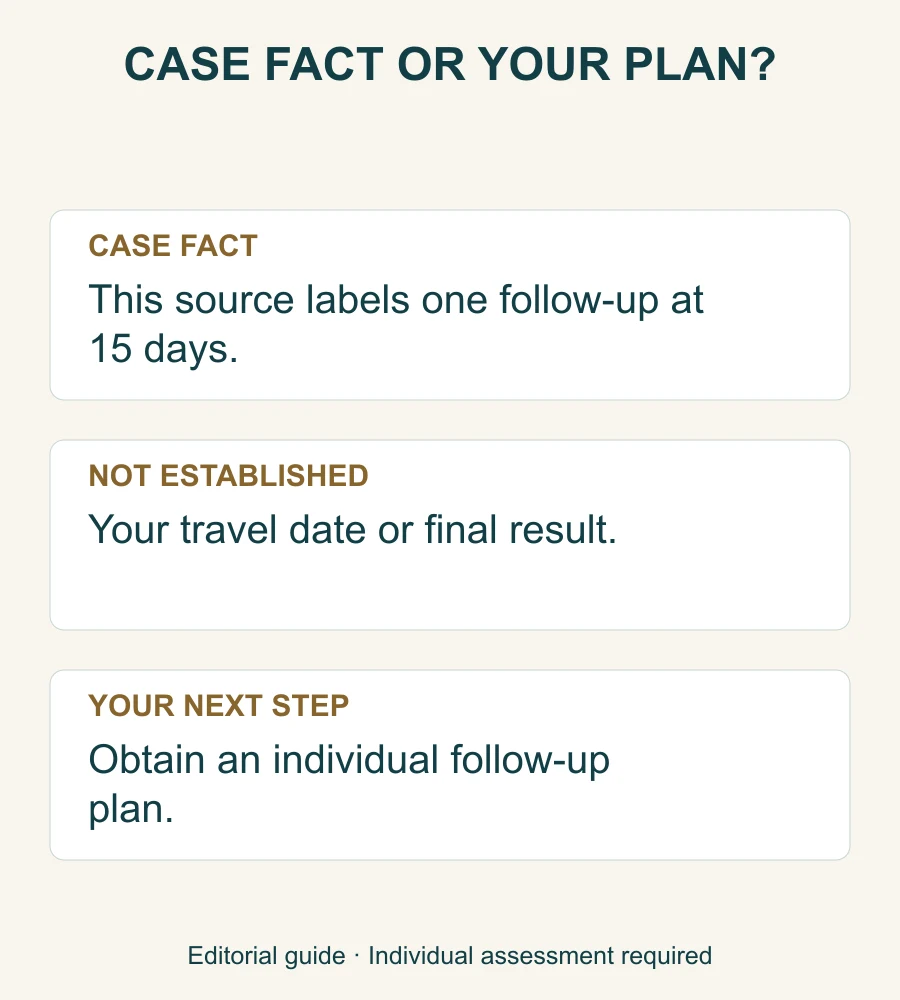
If you are traveling to Korea, distinguish a flight booking from medical clearance to travel. Ask your surgeon when a review should occur before departure and what circumstances would change your travel plan. Confirm who handles follow-up once you are home; an online inquiry or a case photograph is not travel clearance.
Keep the clinic’s contact details and the written plan accessible. Ask what documents you should receive, such as the procedure summary and medication instructions when relevant. Use the clinic’s confirmed secure route if the treating team needs records. Do not publish personal medical details or identifying photographs in public comments.
Compare instructions, not promised recovery dates
The 15-day label is a source fact about case 017. It is not a guarantee of final contour, a typical downtime estimate or permission to stop follow-up. The ASPS recovery material notes that swelling can affect the appearance during recovery. Your clinician should explain how progress will be reviewed and when a result can reasonably be assessed for your case.
For your consultation at DI, bring a short list of the activities and travel arrangements that matter to you. Ask which plans are flexible and how you will receive updated advice if your recovery differs from expectations. Confirm consultation availability and language arrangements before arranging travel. DI is at 12F, Seosan Building, 441 Gangnam-daero, Seocho-gu, Seoul; use the directions and consultation links below to check practical details.
A usable consultation takeaway
A useful outcome is a written list of next steps with a named contact route, rather than a recovery deadline copied from someone else’s photo. Ask about the proposed scope, alternatives and risks before agreeing to treatment. For costs, request an itemized estimate and ask which items and taxes are separate. The published DI price guide is a reference; your own plan and quotation require confirmation.
This is an editorial question guide based on the sources below. It does not claim a new medical review, diagnose a condition or recommend chin liposuction for an individual. Case outcomes and recovery vary.
Information that helps us prepare a useful reply
When contacting the clinic, tell us the procedure or concern you would like to discuss, your preferred language, whether you have had related treatment before and the dates you could visit Seoul. International patients may also wish to include their arrival and departure dates so the team can explain when an in-person consultation and follow-up may fit into the trip.
Please do not send passport numbers, payment information or complete medical records through an initial website inquiry. A coordinator can explain which health information or photographs are relevant and how they should be shared. Online guidance is preliminary; suitability, technique and the final treatment plan are determined only after an appropriate medical assessment.