

Describe the concern before choosing a technique
A broad or rounded nasal tip is an appearance description, not a diagnosis. People searching for bulbous-nose correction may be concerned about tip width from the front, definition in photographs or the relationship between the tip and bridge. Explain your own concern without assuming that one operation suits every rounded tip.
DI’s procedure page discusses cartilage shape and distribution, skin and soft-tissue thickness, and changes associated with previous surgery. The surgeon needs to examine these factors together with facial proportions and any breathing symptoms. A reference photograph cannot show which tissue contributes to your appearance or predict a result.
Ask how skin, cartilage and support affect the plan
Ask which finding is most relevant: cartilage that is broad or spread apart, overlying tissue, previous scar tissue or a combination. DI describes different approaches involving cartilage shaping or suturing, selected tissue reduction and, when appropriate, additional support. These are possibilities to discuss, not a checklist of steps that everyone requires.
The consultation should explain what can reasonably change and what may remain limited by your skin and underlying structure. Making a tip smaller is not the only consideration; preserving support and nasal function also matters. Do not equate a more sharply drawn online image with an achievable or desirable surgical goal.
Separate tip refinement from graft and bridge decisions
If the surgeon proposes cartilage from the ear, septum or rib, ask what it would support and why that material is appropriate. DI’s published information includes these options, but a bulbous appearance alone does not establish that any particular graft is necessary. A donor site adds its own care and risks.
Discuss bridge height, nostril shape and tip goals separately. Ask whether an additional procedure is medically or aesthetically relevant to your concern rather than assuming it is part of a package. Previous rhinoplasty, implants, fillers or nasal threads should be disclosed through the clinic’s secure consultation channel.

Include limitations and risks in the conversation
Rhinoplasty can involve infection, bleeding, scarring, anesthesia complications, altered sensation, breathing difficulty, an appearance that does not meet expectations and further surgery. Ask the clinician which issues are most relevant to the proposed tip work and any associated graft or donor site. No technique or material eliminates risk.
Suitability, expected effect, price and recovery require individual assessment. Ask about alternatives, including waiting or not having surgery. You should have time to review the plan and consent information without a guarantee of a particular shape, symmetry or recovery deadline.
Interpret a one-month photograph carefully
The original gallery pair below is Case 063, labelled “Bulbous-nose correction”, with the front-view photographs marked “1 month after surgery”. The gallery does not establish the exact operative technique or graft material, so this article does not infer either from the photographs.
One month is a follow-up point, not a promise that healing is complete. Swelling can affect how the tip looks during recovery. The original files and privacy masking are preserved without editing, cropping or overlays. This individual case cannot predict your appearance, suitability or healing.
Leave the consultation with a personal follow-up plan
Prepare your medical history, medication and supplement list, allergies, nicotine use and details of earlier procedures. Ask how the team will assess breathing, whether any further examination is needed and why. DI describes structural assessment on its procedure page; that does not mean every person needs the same imaging.
Before arranging a Seoul trip, confirm review visits, splint or suture care if applicable, restrictions on glasses and activity, warning signs and access to urgent care. Your treating team should advise on travel clearance. Read the medical-team profile and arrange an individual consultation before committing to a treatment or return date.
Information that helps us prepare a useful reply
When contacting the clinic, tell us the procedure or concern you would like to discuss, your preferred language, whether you have had related treatment before and the dates you could visit Seoul. International patients may also wish to include their arrival and departure dates so the team can explain when an in-person consultation and follow-up may fit into the trip.
Please do not send passport numbers, payment information or complete medical records through an initial website inquiry. A coordinator can explain which health information or photographs are relevant and how they should be shared. Online guidance is preliminary; suitability, technique and the final treatment plan are determined only after an appropriate medical assessment.
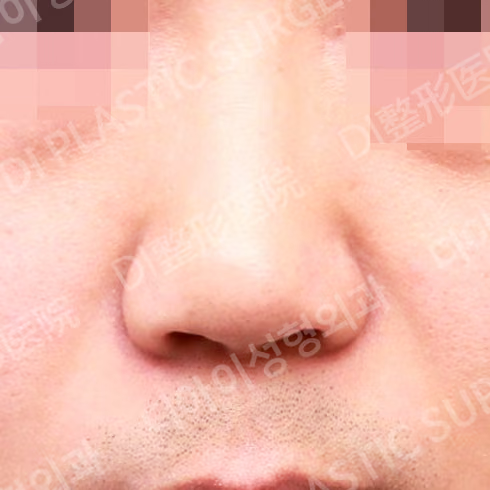 Before
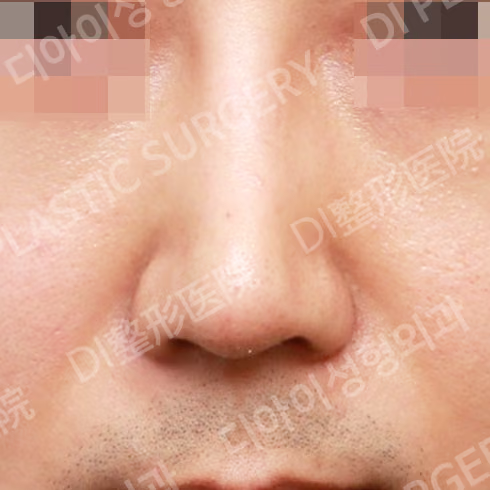 After
After