
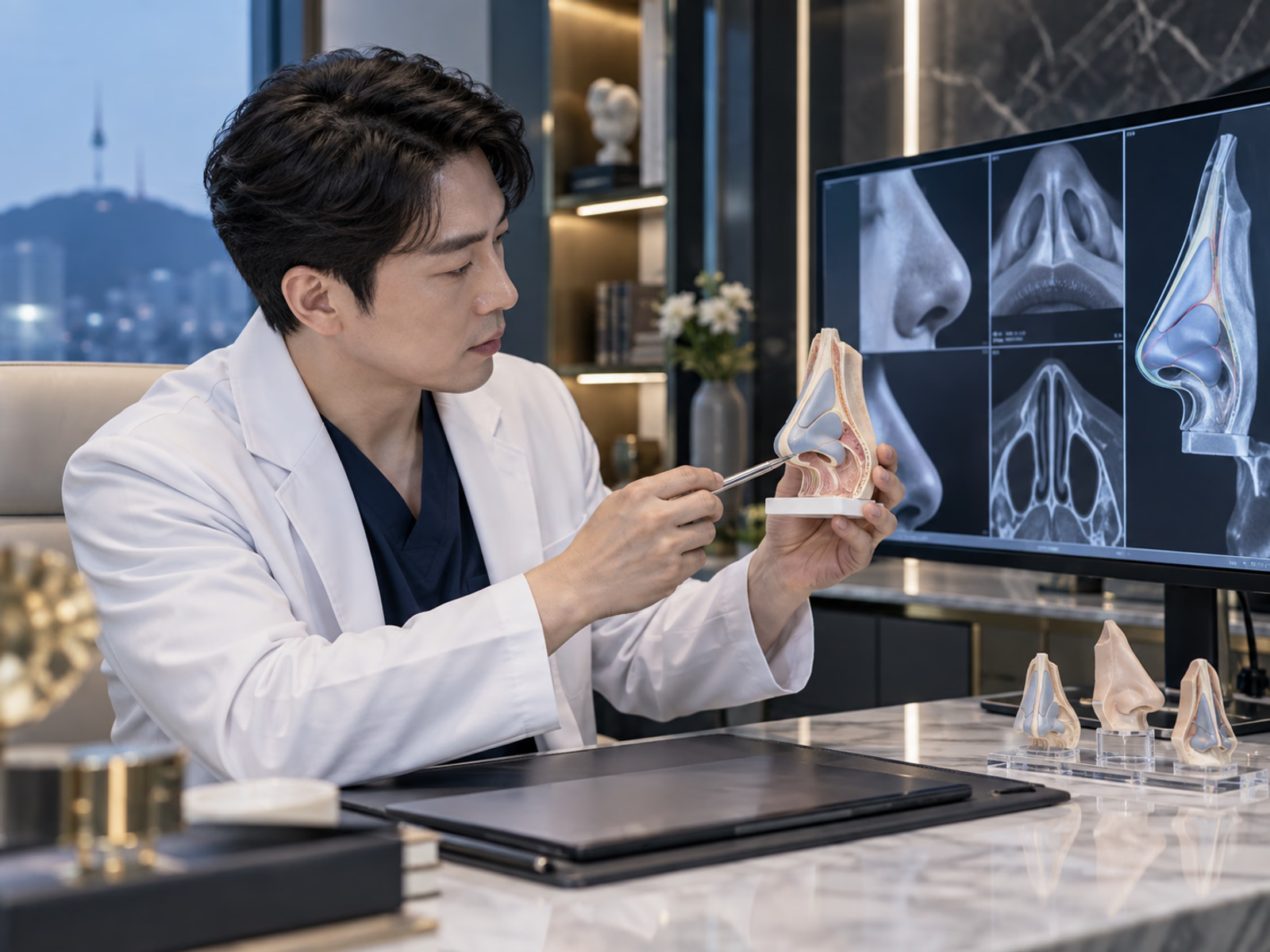
Why revision rhinoplasty is different
Revision rhinoplasty works with anatomy changed by the first operation. Scar tissue, altered cartilage support, implants or grafts, skin condition and breathing function may all influence the plan. The goal is not simply to repeat the primary operation.
A surgeon needs to understand what was done, what has healed, what concerns remain and which changes are realistically possible. Some patients need functional evaluation as well as aesthetic planning, and some are advised to wait longer before another operation.
Bring the most useful records
If available, prepare the previous operative note, implant or graft information, preoperative and postoperative photographs, imaging, medication list and details of complications or treatments. Organize a simple timeline with surgery dates and the moment each concern began.
Do not conceal prior fillers, threads, trauma or procedures. Complete information helps the surgeon assess tissue, blood supply, infection history and available support. Send sensitive records only through the method the clinic recommends.
Ask how the surgeon approaches complex nasal support
The consultation should cover external shape, internal breathing, remaining septal cartilage and whether ear or rib cartilage might be considered. Autologous rib cartilage can provide substantial graft material in selected cases, but it introduces a donor site and its own risks and recovery.
Ask why a material or technique is proposed for you, what alternatives exist, how scars are planned and what cannot be safely changed. DI provides separate information on revision rhinoplasty, autologous rib cartilage rhinoplasty and functional rhinoplasty so patients can prepare questions before examination.
Set expectations for a longer recovery
Early swelling can obscure the contour, and tissues that have been operated on before may settle differently. A splint coming off is not the final result. The sequence of in-person reviews and the time before exercise, glasses or travel must be individualized.
Treat edited photographs and instant-result claims with caution. Ask to see consistent case photography and discuss a range of outcomes, possible need for prolonged follow-up and how the clinic handles an unexpected concern.
Choose the team and plan, not the destination alone
Korea offers many rhinoplasty options, but location and price do not replace specialist training, transparent communication, anesthesia planning and postoperative access. Revision surgery should never be booked before the surgeon has enough information to assess the case.
DI clinic director Jung Yun Ik lists training at Yonsei University College of Medicine, Severance Hospital and the University of Pittsburgh Medical Center. Final suitability and technique are determined only after consultation and examination.
Information that helps us prepare a useful reply
When contacting the clinic, tell us the procedure or concern you would like to discuss, your preferred language, whether you have had related treatment before and the dates you could visit Seoul. International patients may also wish to include their arrival and departure dates so the team can explain when an in-person consultation and follow-up may fit into the trip.
Please do not send passport numbers, payment information or complete medical records through an initial website inquiry. A coordinator can explain which health information or photographs are relevant and how they should be shared. Online guidance is preliminary; suitability, technique and the final treatment plan are determined only after an appropriate medical assessment.