
Why the combined plan matters
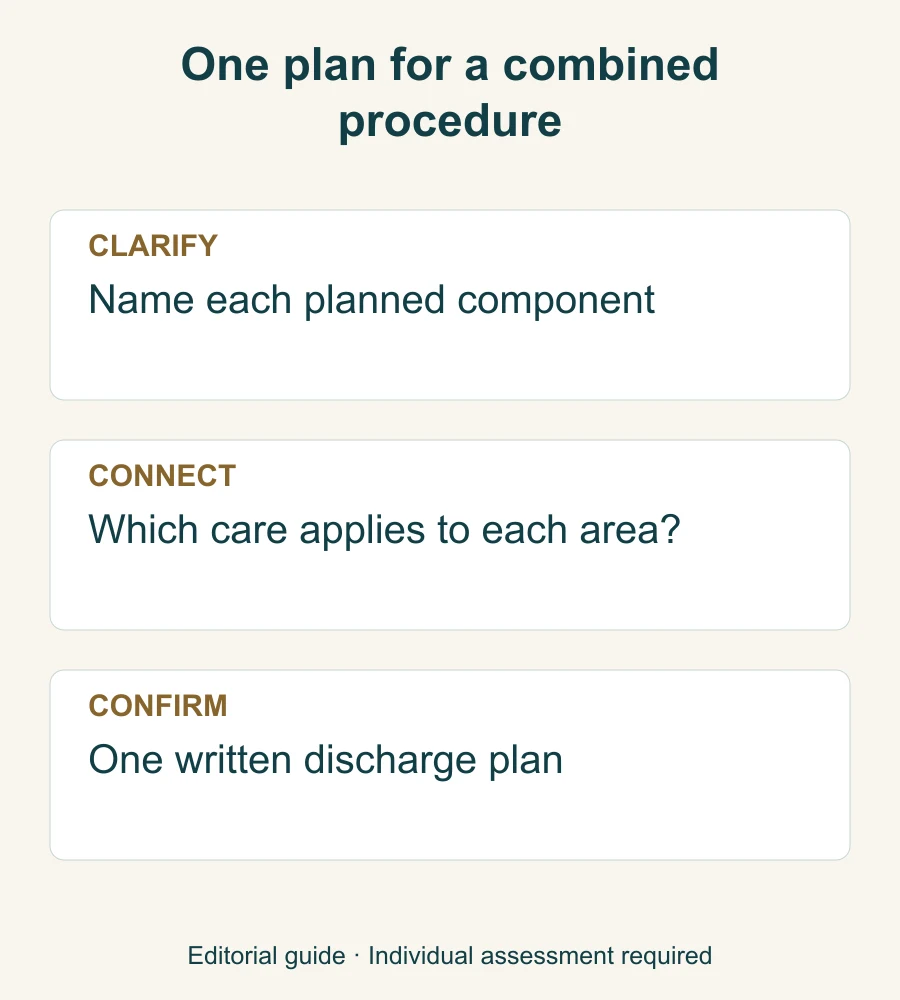
An operation name is the start of a conversation, not a complete description of treatment. When mini abdominoplasty and liposuction appear together, ask the surgeon to explain the purpose and scope of each part. Then ask how the combination changes the care instructions, restrictions and review arrangements you will actually receive.
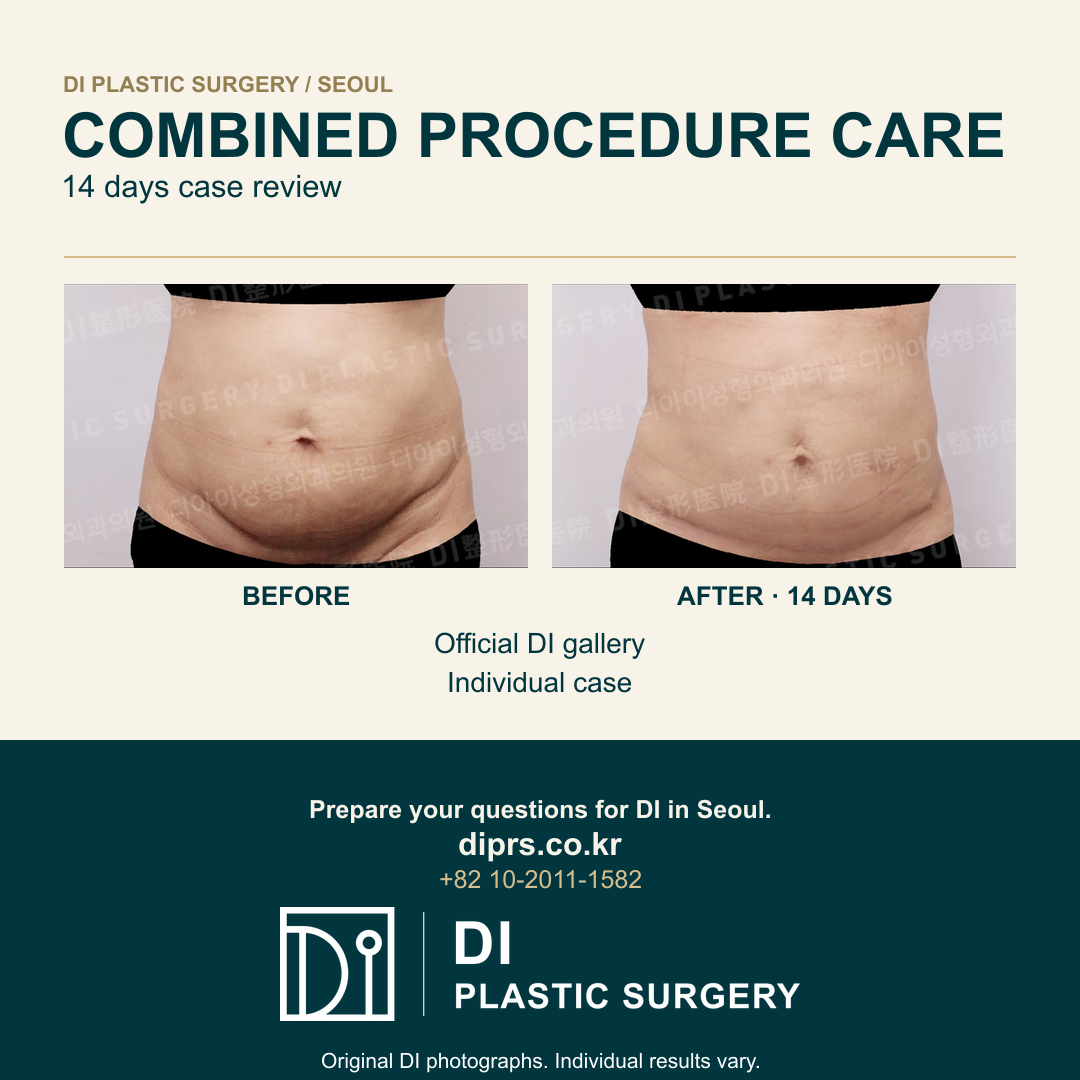
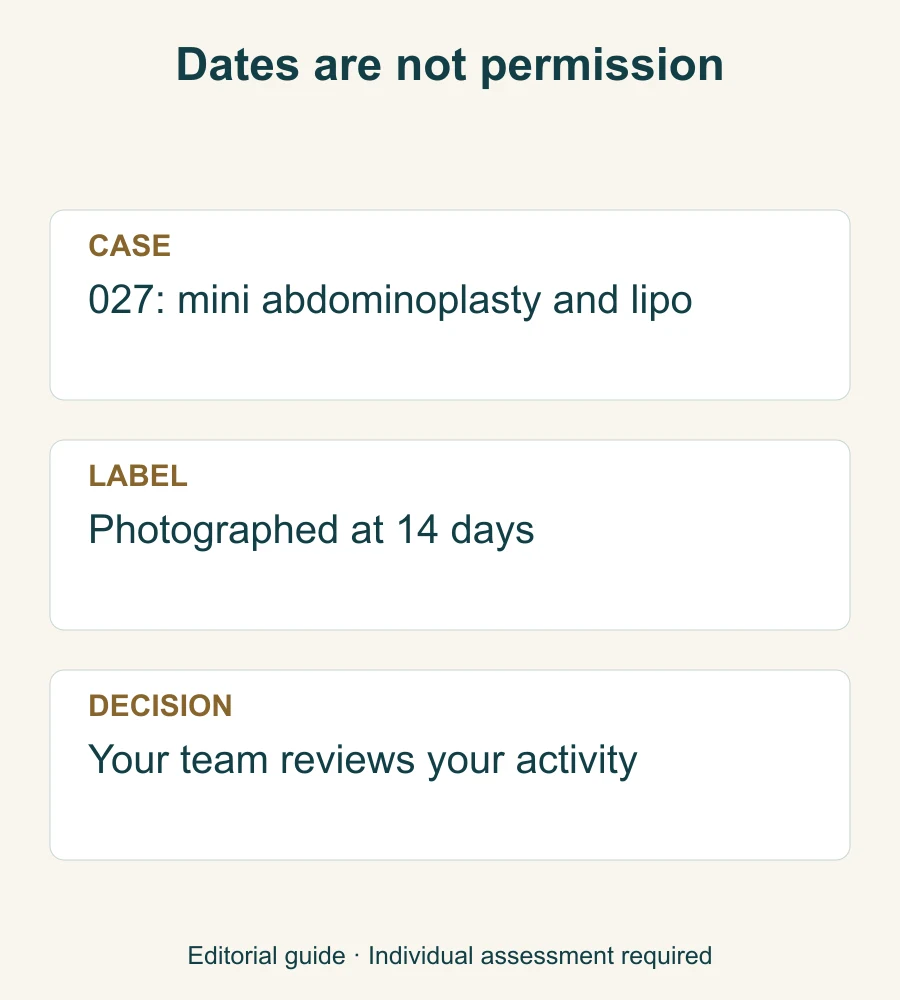
DI's official gallery identifies case 027 as mini abdominoplasty with liposuction and labels the follow-up at 14 days. The same-case before and after photographs are preserved in the cover. They do not reveal every operative detail, establish suitability for another patient or show that two weeks is sufficient for unrestricted activity. Individual results vary.
Ask what the word mini means in your proposal
Ask the surgeon to describe the planned area, incision and any other components in plain language. Do not infer the position of an incision, a change to the navel or a muscle procedure from the word mini alone. The scope should be explained for your examination and included in the consent discussion.
This guide focuses on organizing care for a combined proposal. It is different from deciding between a full and mini operation, and it cannot determine which is appropriate. If you are comparing recommendations, ask each surgeon to identify the concern being treated, the alternatives and the limits of the suggested approach.
Create one written discharge plan
ASPS tummy tuck guidance describes instructions for surgical-site care, any drains, prescribed medication, concerns to watch for and follow-up. Its liposuction guidance also emphasizes individualized instructions. A combined operation makes it especially useful to clarify which instruction applies to which area and who resolves any apparent conflict.
Ask the team to review the document with you before discharge. Confirm how to manage dressings, washing and any prescribed support garment. If a drain is used, ask what you should record and when it will be reviewed. Do not introduce a drain-care routine, remove a dressing or change medication based on general online material.
Keep restrictions separate from calendar dates
A useful plan explains what you can do, what you should avoid and when the team will reassess those instructions. Tell the clinician about the tasks you expect to perform: commuting, work, lifting, caring for someone else and exercise. Ask about those tasks directly instead of requesting a single return-to-normal date.
The gallery's 14-day photograph describes when an image was taken. It does not establish that the wound has completed healing or that every activity is appropriate. The name of a procedure and the appearance of a photograph cannot replace examination or the surgeon's instructions.
A combined-care comparison table
Use this table to identify missing explanations in a proposed plan. The questions do not assume that a particular technique, drain or medication will be used.
| Part of the plan | Clarify before treatment | Confirm before leaving |
|---|---|---|
| Mini abdominoplasty | Exact scope and incision discussion | Surgical-site and dressing instructions |
| Liposuction | Which areas are included | Area-specific care and garment guidance |
| Medication and support | Who supplies instructions and prescriptions | What you should use and whom to ask |
| Review appointments | How the combined operation will be followed | Dates, contact route and travel discussion |
| Written estimate | Which components and services are included | Applicable VAT and separately charged items |
Planning support and follow-up in Seoul
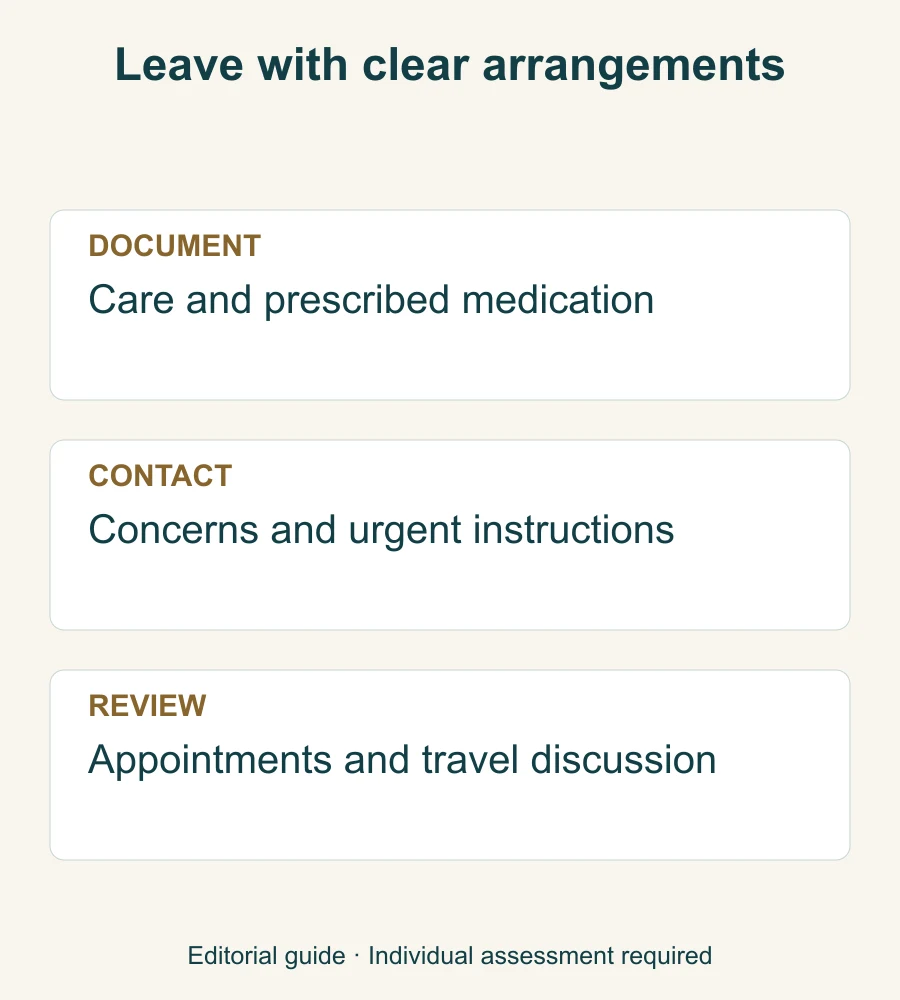
Ask what practical support you will need after the operation and make arrangements before treatment rather than after a problem occurs. Confirm transport, accommodation access and how you will reach the clinic for the agreed reviews. Tell the team if you expect to travel without a companion so it can discuss the arrangements relevant to your plan.
Confirm your preferred consultation language and any interpretation arrangements in advance. A translated website does not guarantee a particular language service on a particular day. Also establish how questions will be handled after you leave Korea; an online message is not automatically an immediate clinical review.
Consent, costs and individual limitations
Discuss the benefits, risks and alternatives of the actual combination with the surgeon. Ask what changes should prompt urgent help and obtain a clear contact route. This article does not diagnose a wound, judge a photograph or authorize an activity. If you have a postoperative concern, follow the instructions from your treating team and seek appropriate urgent care when needed.
Request one itemized quotation that identifies the named procedures and any separately charged services, materials or follow-up. DI's current listed price amounts exclude VAT; ask about applicable VAT and the final total. A combined operation should not be priced by simply assuming that two unrelated public price lines include every part of the proposed treatment.
Information that helps us prepare a useful reply
When contacting the clinic, tell us the procedure or concern you would like to discuss, your preferred language, whether you have had related treatment before and the dates you could visit Seoul. International patients may also wish to include their arrival and departure dates so the team can explain when an in-person consultation and follow-up may fit into the trip.
Please do not send passport numbers, payment information or complete medical records through an initial website inquiry. A coordinator can explain which health information or photographs are relevant and how they should be shared. Online guidance is preliminary; suitability, technique and the final treatment plan are determined only after an appropriate medical assessment.