
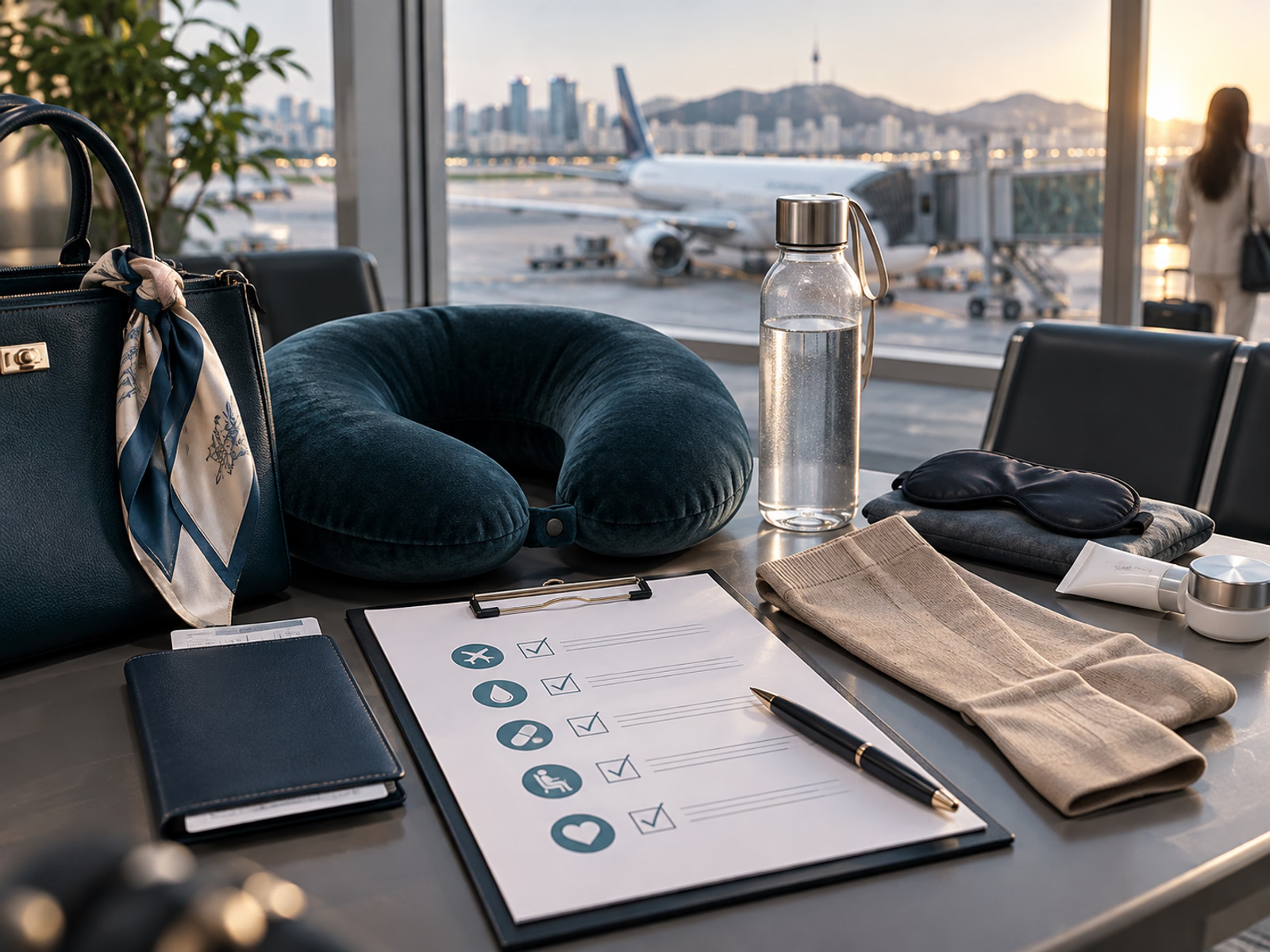
Do not use a generic flight date as clearance
The safe interval before flying is not identical for rhinoplasty, eyelid surgery, lifting, facial contouring or combined procedures. It also depends on anesthesia, bleeding or clot risk, swelling, wound status, mobility, medical conditions and flight duration. Only the treating team can assess those factors together.
Online timelines are useful for budgeting, not for overriding an examination. Ask for a minimum planning window before booking, then confirm again at the postoperative review. If recovery changes, the flight may need to change too.
Why air travel can complicate recovery
A flight involves long periods of sitting, dry cabin air, lifting luggage, queues and limited access to the surgical team. Pressure changes may also be relevant after nasal or sinus procedures. These factors do not make every flight unsafe, but they must be considered alongside the procedure and your condition.
A companion can help with luggage, transport and communication. Request airport assistance if walking or standing will be difficult, but do not treat assistance as a substitute for medical clearance.
Questions to ask before buying the ticket
Tell the surgeon the route, flight duration, transfers and intended departure date. Ask when the required postoperative examinations occur, whether a splint or sutures need attention, what medication can be carried, whether compression or movement measures apply and which symptoms would cancel travel.
Check the airline’s post-surgery policy and documentation requirements. Review travel insurance carefully, including exclusions for elective surgery, pre-existing conditions, trip changes and treatment of complications outside Korea.
Prepare for the airport and flight
Travel light and do not lift a heavy suitcase if restricted. Keep medication in original packaging with the prescription or clinic letter where appropriate. Carry the clinic’s contact information, the procedure summary and emergency information in your hand luggage, while protecting private medical data.
Hydration, walking and compression advice must be individualized. Do not start aspirin, anticoagulants, supplements or compression products solely because a travel article suggests them; they can be inappropriate for some patients.
Have a plan after landing
Know who will provide care in your home country and how they can obtain the operative information if a problem arises. Remote photographs may help routine communication, but severe or rapidly worsening symptoms require local in-person evaluation.
At DI, follow-up is coordinated according to the procedure and the patient. Share your travel plan during consultation so the surgeon can explain the visits and recovery milestones required before departure.
Information that helps us prepare a useful reply
When contacting the clinic, tell us the procedure or concern you would like to discuss, your preferred language, whether you have had related treatment before and the dates you could visit Seoul. International patients may also wish to include their arrival and departure dates so the team can explain when an in-person consultation and follow-up may fit into the trip.
Please do not send passport numbers, payment information or complete medical records through an initial website inquiry. A coordinator can explain which health information or photographs are relevant and how they should be shared. Online guidance is preliminary; suitability, technique and the final treatment plan are determined only after an appropriate medical assessment.