
Identify where you actually see fullness
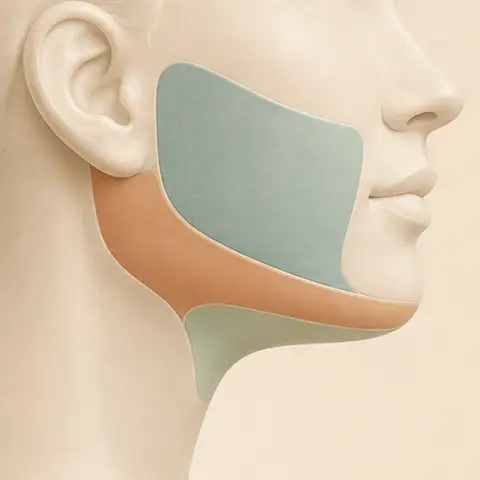
Point to the area you want evaluated. Lower-cheek fullness and fullness under the chin are different concerns. Ask which tissues are likely involved and how facial shape, skin and changes in weight may influence what you see.
Bring front and three-quarter photographs from different points in time. If the appearance changed after weight change, filler, surgery or dental treatment, note when that happened. Photographs help document your concern and a clinician can assess whether changing the cheek fat pad is relevant.

Compare options at the consultation
Lower-cheek fullness: Ask what makes the clinician suspect buccal fat and what change they would expect from removing volume. Discuss observation or no procedure, especially if your goals are uncertain.
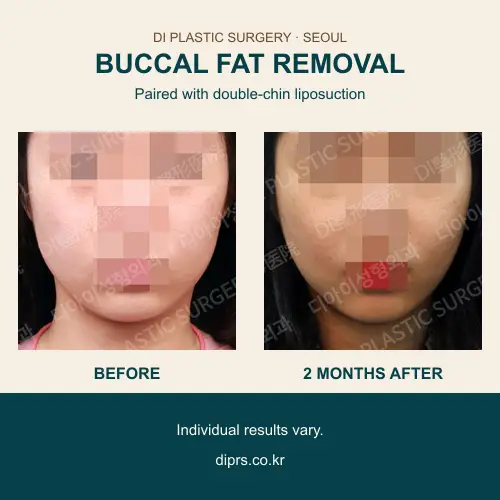
Jawline or under-chin fullness: Ask the clinician to evaluate that area separately. DI’s official cover case involved both buccal-fat removal and double-chin liposuction, so the two-month comparison cannot tell you which procedure produced any visible change.
Already narrow cheeks or concerns about future hollowing: Ask how your face may look if it loses volume with time and discuss the limits of correcting an unwanted reduction. Discuss one approach at a time before considering a combined plan.
Weigh risks against the quality of published evidence
A systematic review of buccal fat pad excision identified only four eligible studies and found limited long-term follow-up. The studies recorded complications. They provide context for questions and cannot establish an individual result or long-term cosmetic outcome.
Ask about infection, bleeding, asymmetry, sensory changes or injury to nearby structures, and a result that looks too hollow. Ask whom to contact if new symptoms arise and whether your clinician would recommend observation or another evaluation.

Get the scope, cost and follow-up in writing
Ask whether your estimate is for buccal fat removal alone or includes another procedure. Have the team list included tests, anesthesia and follow-up, and explain which services would be billed separately. The DI procedure listing is a starting point for discussion.
If you are travelling, confirm which in-person checks the surgeon recommends, when they would reassess swelling and whom you can contact from abroad. The combined case on this page is a snapshot at two months and cannot predict your recovery.
Information that helps us prepare a useful reply
When contacting the clinic, tell us the procedure or concern you would like to discuss, your preferred language, whether you have had related treatment before and the dates you could visit Seoul. International patients may also wish to include their arrival and departure dates so the team can explain when an in-person consultation and follow-up may fit into the trip.
Please do not send passport numbers, payment information or complete medical records through an initial website inquiry. A coordinator can explain which health information or photographs are relevant and how they should be shared. Online guidance is preliminary; suitability, technique and the final treatment plan are determined only after an appropriate medical assessment.