
Start with when the line appears
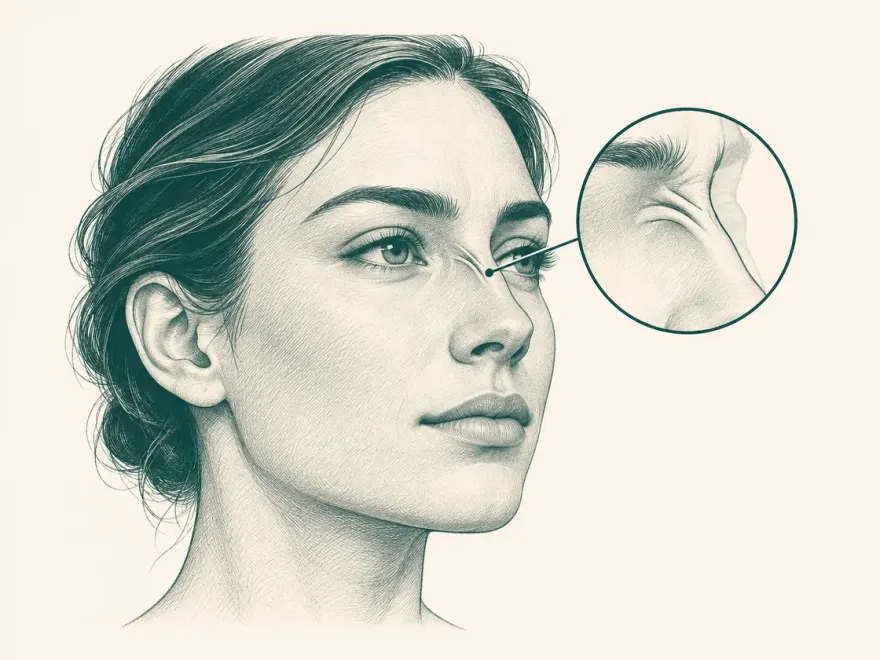
Nasal expression lines can become visible when you scrunch your nose, smile or squint. At the consultation, show what you see with your face relaxed and during ordinary movement. Ask whether the line is driven mainly by movement or is also visible at rest.
A line beside the nose does not establish a diagnosis or identify a single muscle. A study using cadaver dissection and ultrasound found that skin can fold in an area pulled by several nearby muscles. This is anatomy evidence. It cannot predict whether treatment will change a particular line.
Compare the concern with the treatment goal
DI lists botulinum toxin for nasal lines. Ask the clinician how the proposed product relates to your concern, whether prior facial procedures affect the assessment and which movements could change. Products and units are not interchangeable.
| What you notice | What to ask |
|---|---|
| Lines mainly while scrunching or smiling | Which nearby movements are contributing? |
| Lines still visible with a relaxed face | How much does movement contribute, and what alternatives fit an at-rest concern? |
| A concern about nasal height, shape or breathing | Would a separate nasal assessment be more appropriate? |
| Existing smile asymmetry or a recent procedure | How will you document baseline movement and decide whether to defer treatment? |
Understand evidence limits and risks
Published anatomical work and commentary describe mechanisms and assessment questions. They do not establish an expected degree of improvement or a reliable duration for an individual. Ask the clinician whether observation, a skin assessment or a separate nasal consultation better fits your goals.
Discuss local soreness or bruising and the possibility of an unintended change in nearby movement. Tell the clinic about previous toxin treatment, facial procedures, medicines and conditions affecting muscle function. If you develop difficulty swallowing, speaking or breathing after treatment, seek urgent medical attention.
Make a follow-up plan before traveling
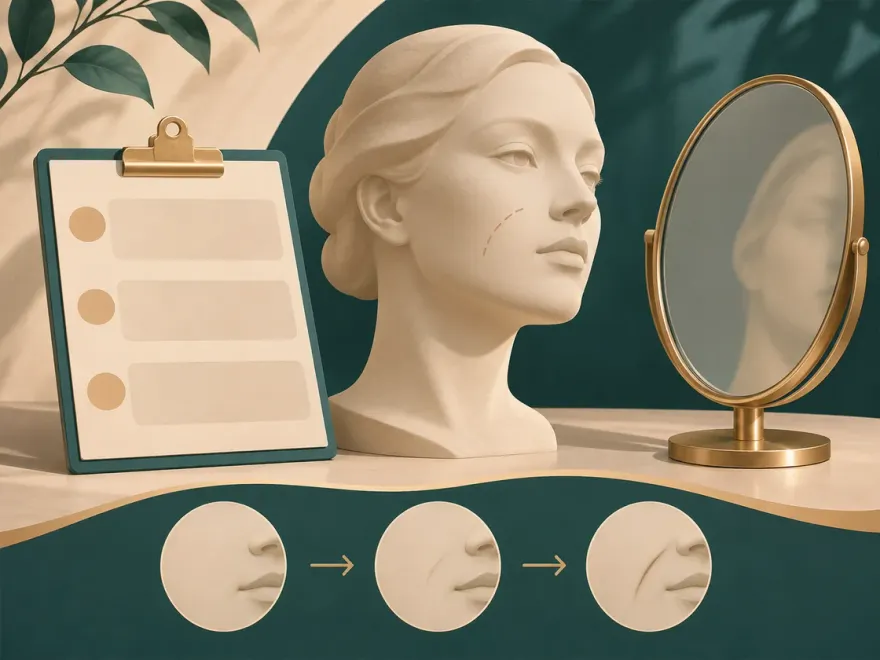
Bring dates and product information from previous treatments if available. Ask for the planned treatment area, exact product and itemized estimate in writing. Confirm who can assess concerns before you leave Korea and how to contact the clinic after you return.
#NasalExpressionLines #BotulinumToxin #DIPlasticSurgery #Seoul

Information that helps us prepare a useful reply
When contacting the clinic, tell us the procedure or concern you would like to discuss, your preferred language, whether you have had related treatment before and the dates you could visit Seoul. International patients may also wish to include their arrival and departure dates so the team can explain when an in-person consultation and follow-up may fit into the trip.
Please do not send passport numbers, payment information or complete medical records through an initial website inquiry. A coordinator can explain which health information or photographs are relevant and how they should be shared. Online guidance is preliminary; suitability, technique and the final treatment plan are determined only after an appropriate medical assessment.