
DI PLASTIC SURGERY
DI VIP Rhinoplasty
After an unsatisfactory rhinoplasty, what are the options for revision?
DI VIP Rhinoplasty uses the patient's own rib cartilage as part of an individualized revision approach.
Materials and methods are selected according to the patient's condition.
The clinic describes a process for the patient or guardian to review the surgical shape before final closure, where appropriate.
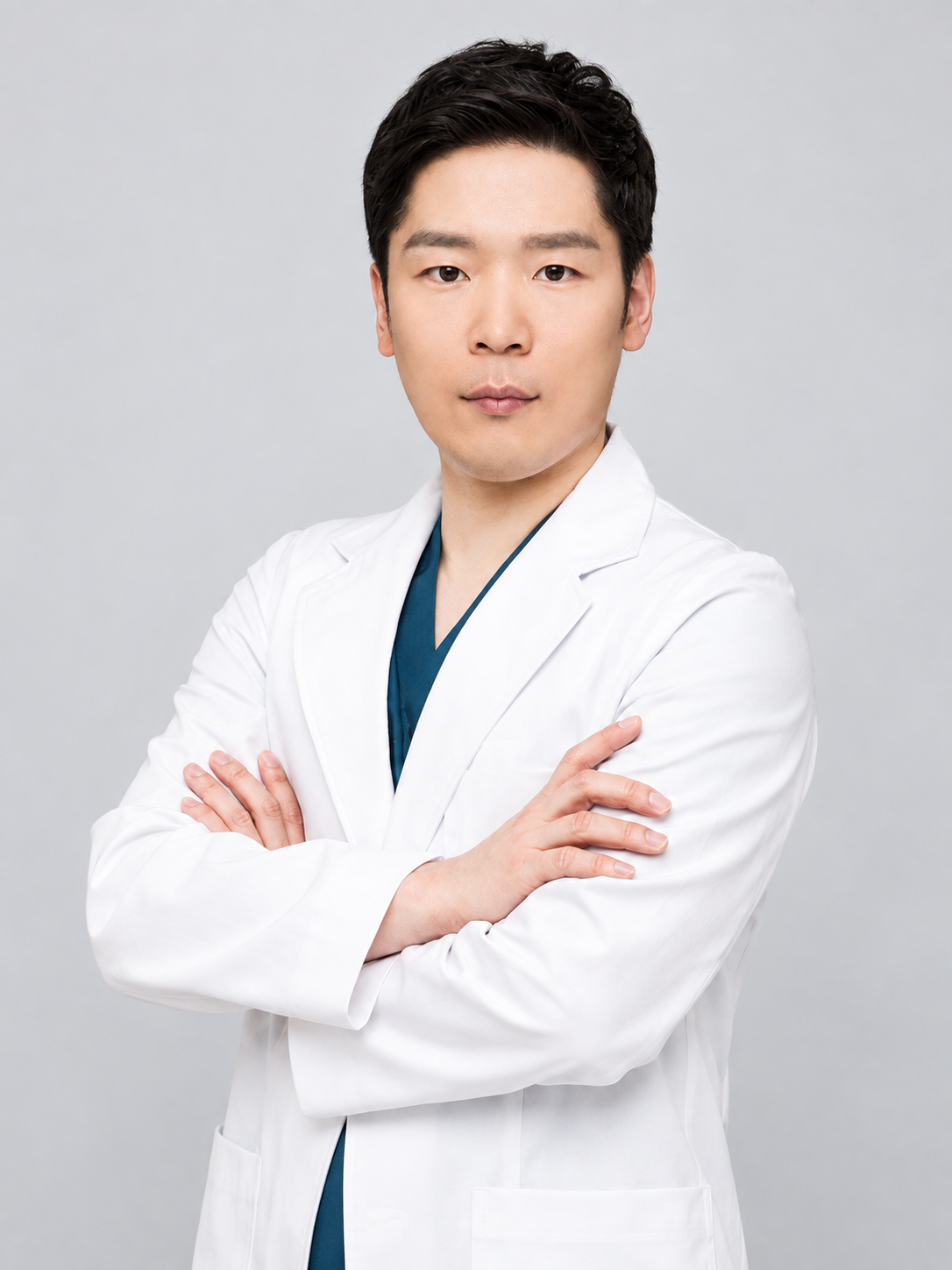
Clinic Director · Plastic Surgeon
JUNG YUN IK
Education & training
- Graduate, Yonsei University College of Medicine
- Internship and plastic surgery specialization, Severance Hospital
- Plastic surgery training, University of Pittsburgh Medical Center, USA
Professional experience
- Adjunct professor, Department of Plastic Surgery, Severance Hospital
- Former Director, Apgujeong VIP Plastic Surgery
At DI Plastic Surgery
Planning revision rhinoplasty with the individual in mind
- 1
An individualized model of the expected nasal shape is prepared for patients who confirm surgery after consultation.
- 2
A guardian can review the harvested cartilage during surgery. Additional material may be used when necessary.
- 3
Before final closure, the patient or guardian compares the shape with the prepared model to discuss the final contour.
A coordinated process with the individual in mind
- Experience with complex rhinoplasty procedures
- Expertise in using the patient's own rib cartilage
- Rib cartilage harvesting may be performed under sedation
Revision rhinoplasty at DI
What distinguishes VIP rhinoplasty?
Questions about surgical materials
Are you unsure which materials are appropriate because the internal condition of your nose is unclear? Have materials used in a previous operation affected your confidence in treatment?
The available autologous material may not be fully determined before surgery. Discuss how decisions about additional or alternative materials will be made.
DI's approach to these questions
DI VIP Rhinoplasty is the revision approach presented by director JUNG YUN IK. A guardian may review the materials to be used during surgery and discuss changes.
Concerns about the shape after surgery
Following consultation, a model of the expected nasal shape is prepared. Before closure, the patient may compare the planned model and current shape and discuss adjustments.
This approach depends on the experience of the surgeon and medical team, and the clinic's use of sedation for the procedure, including rib cartilage harvesting.
Materials and surgical technique
Experience with surgical techniques
Autologous cartilage and donated cartilage have different characteristics. The clinic favors the patient's own tissue for its natural compatibility.
Processed materials such as Medpor have previously been used in rhinoplasty. The choice of material should be discussed carefully. Donated rib cartilage is another material used in rhinoplasty. Consider each material's characteristics and long-term implications with your surgeon.
Autologous cartilage: appearance and confidence in the chosen material
Processed materials: appearance and concerns about potential changes should be discussed during consultation.
Concerns about autologous cartilage include possible drawbacks and adverse effects. The surgical technique matters; procedures using rib cartilage are not all performed in the same way.
In DI VIP Rhinoplasty, rib cartilage is shaped as a structural piece rather than routinely crushed or ground. The clinic describes this technique as an approach to address concerns about warping and resorption. The method reflects the clinic's experience with rib cartilage rhinoplasty.
Plastic surgeon JUNG YUN IK's
VIP revision rhinoplasty
Focused care throughout treatment
A comprehensive system for rhinoplasty using your own cartilage
From consultation and surgery to treatment and aftercare
- A one-hour consultation appointment
- Medical questionnaire, CT imaging, a dedicated consultation team and consultation with the director
- VIP rhinoplasty procedure
- Aftercare may include pain management, swelling care and scar laser treatment
- Swelling care may include ice packs and laser treatment
Structured in-depth consultation
- CT imaging and assessment of internal nasal anatomy
- Photo analysis to preview the expected postoperative shape
- Comprehensive surgical planning that considers the patient's desired shape
- A model of the expected postoperative nose shape Used for comparison when the patient or guardian checks the final shape before closure
- Avoiding unnecessary procedures and prioritizing patient satisfaction
Surgery using specialized techniques
- Septal cartilage is used as standard; ear cartilage is used selectively when needed
- Comprehensive assessment, including the skeletal structure
- The patient's own cartilage used in an earlier operation may also be reused
- Reconstruction establishes a firm foundation, including the septum and columella
- Specialized techniques for harvesting and using the patient's own rib cartilage The patient’s rib cartilage is harvested according to its shape and appropriately shaped as a block for use
- Experienced surgical technique reduces operating time
- Minimized incision size (1.5–2 cm)
- Surgery under sedation
- The patient's own rib cartilage is harvested from the side or beneath the breast
- For women, an existing breast augmentation crease scar may be used, or breast augmentation may be performed together
- The final nose operation
- If an internal structural issue requires additional or changed materials during surgery, the guardian confirms the decision before proceeding
- Immediately before closure, the patient or guardian checks and approves the final shape; changes may be requested
For your final nose operation
Advantages of DI VIP Rhinoplasty

Experienced clinicians and skilled surgical techniques.

Surgical expertise focused on patient satisfaction and safety.

An aesthetic approach tailored to your facial features.

Continued research and clinical experience in complex rhinoplasty.
Before & after
Actual DI VIP Rhinoplasty cases
Case 1
AFTER — 3 months after surgery
Case 2
AFTER — 3 months after surgery
Case 3
AFTER — 3 months after surgery
Case 4
AFTER — 3 months after surgery
Case 5
AFTER — 3 months after surgery
Case 6
AFTER — 3 months after surgery
Case 7
AFTER — 3 months after surgery
Case 8
AFTER — 3 months after surgery
Case 9
3 months after surgery
Case 10
3 months after surgery
Side effects may include bleeding, infection, and inflammation.

DI VIP Rhinoplasty
Functional nasal surgery can be combined when a condition is diagnosed
Addressing function and shape together!
An additional benefit when using the patient's own cartilage
Medical certificates issued following CT examination and consultation
A referral to the nearby partner hospital, Gangnam Severance Hospital, can be issued when needed
Surgery for medical conditions, including covered treatments, and inpatient care
Claims under indemnity medical insurance may be possible when a qualifying condition is confirmed

A considered combination
Procedures that may be combined
Rhinoplasty aftercare
Follow your surgical team’s individual instructions. Recovery and follow-up schedules vary.
- 01
Incision care
Keep the surgical area dry and clean until stitches are removed. On the day of removal, wash gently with water; use soap from the following day.
- 02
Nasal discharge
A little bleeding or blood-tinged discharge may occur for 3–4 days. Do not blow your nose; gently wipe away discharge.
- 03
Tape and splint
Tape helps maintain implant position and limit blood pooling. The splint protects against impact. If it comes off, do not reattach it yourself; contact the clinic and protect your nose.
- 04
Cold and warm compresses
Use cold compresses for the first 3 days, then warm compresses from day 4, as instructed by your surgical team.
- 05
Swelling and bruising
Swelling and bruising generally take about 2 weeks to settle. Swelling may temporarily make the nose look uneven, tilted or depressed.
- 06
Glasses
Avoid glasses and sunglasses for at least one month to prevent pressure that could affect the nasal shape.
- 07
Protect your nose
Do not blow your nose forcefully or do activities that strain or put pressure on your nose.
- 08
Ear cartilage donor site
If cartilage was taken from your ear, avoid pulling or pressing the ear firmly.
- 09
Recovery habits
Avoid alcohol and smoking for one month. Avoid strenuous exercise and excessive stress, which can interfere with recovery.